


When we’re doing the planning and research for our Wonkhe SUs Study Tours to Europe, Erasmus exchange blogs are always a good place to start.
There’s no end of intel on places to go, cheap eats and spots to study in. Although they do get a bit samey – “I got drunk in X, got a student mentor, did Karaoke” yada yada.
They’re less samey for Reykjavík:
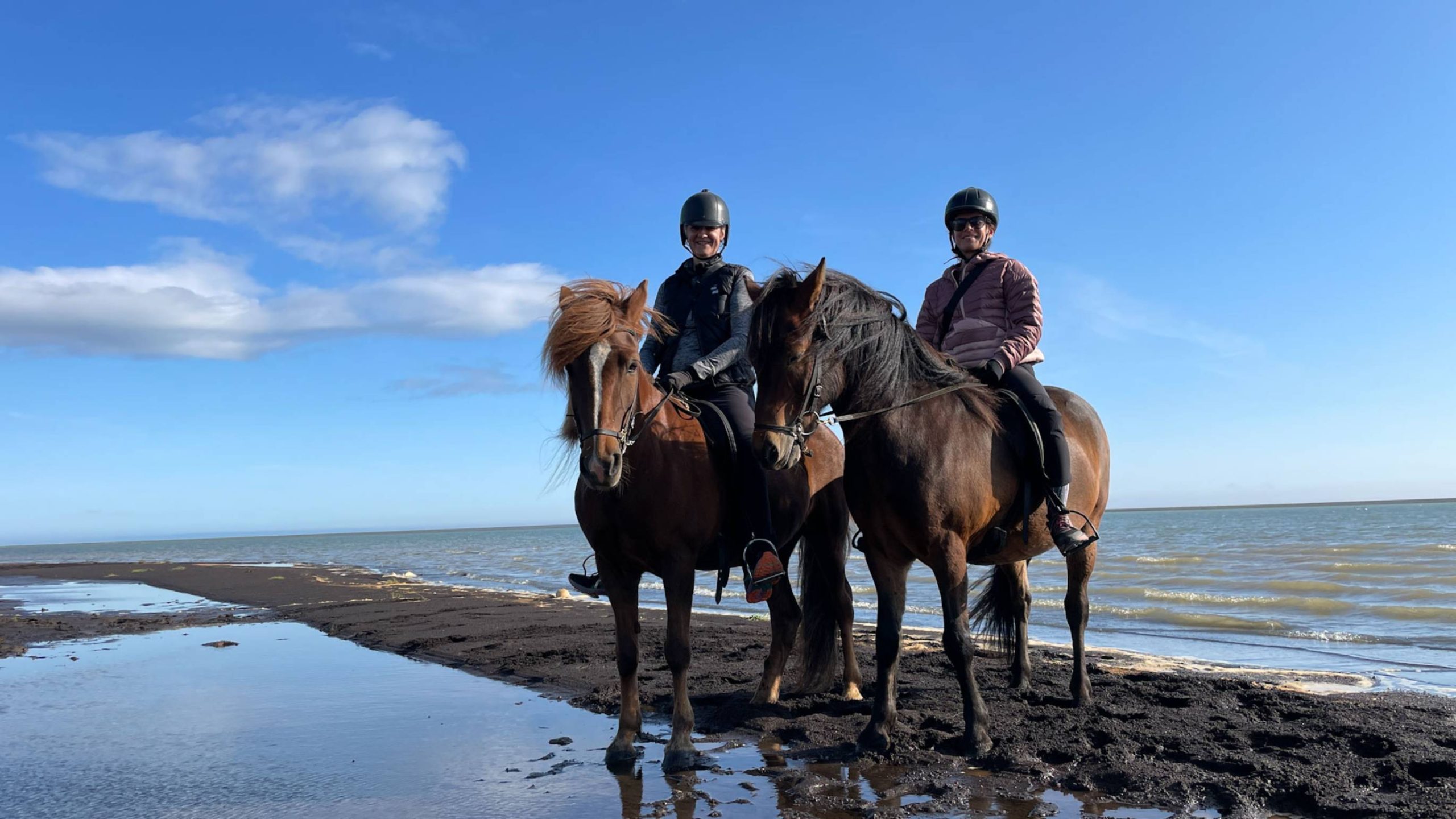
One of the best things I did was riding Icelandic horses at the beach together with my friends.
Anna Vatterodt is a Swedish forestry student who spent a semester at Iceland’s Agricultural University studying (among other things) a course called “Forest ecology in a treeless country.”
The campus has no public transport, and the pub only opens twice a week. A teacher rented her car to the exchange students. We’re on our way to find it.
The study tour doesn’t officially start until tomorrow, but today the team have a little car and a big sense of optimism and are heading north-west out of the city to visit two of Iceland’s smallest universities – neither of which, it turns out, is quite what we expected.
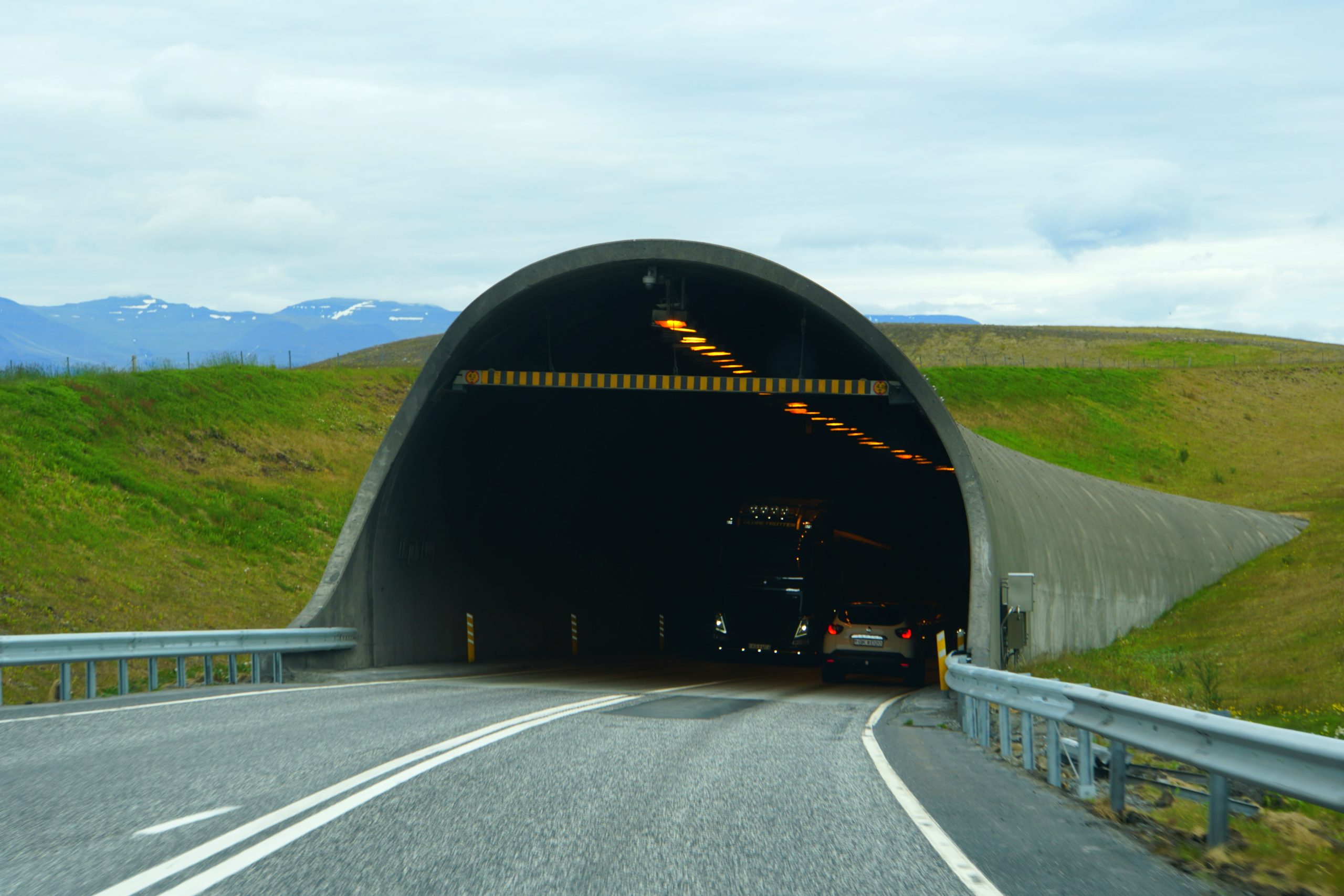
The drive takes us through the Hvalfjörður tunnel under a fjord and out into a landscape that shifts from suburban Reykjavík to something that looks like the surface of the moon within about twenty minutes.
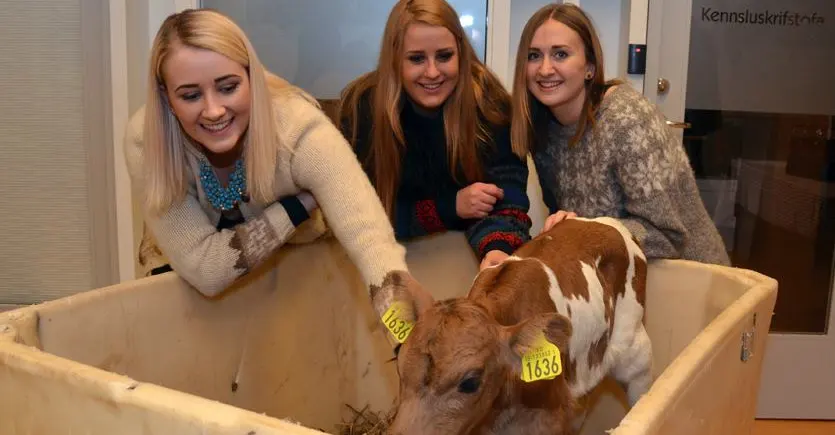
Where the cows are
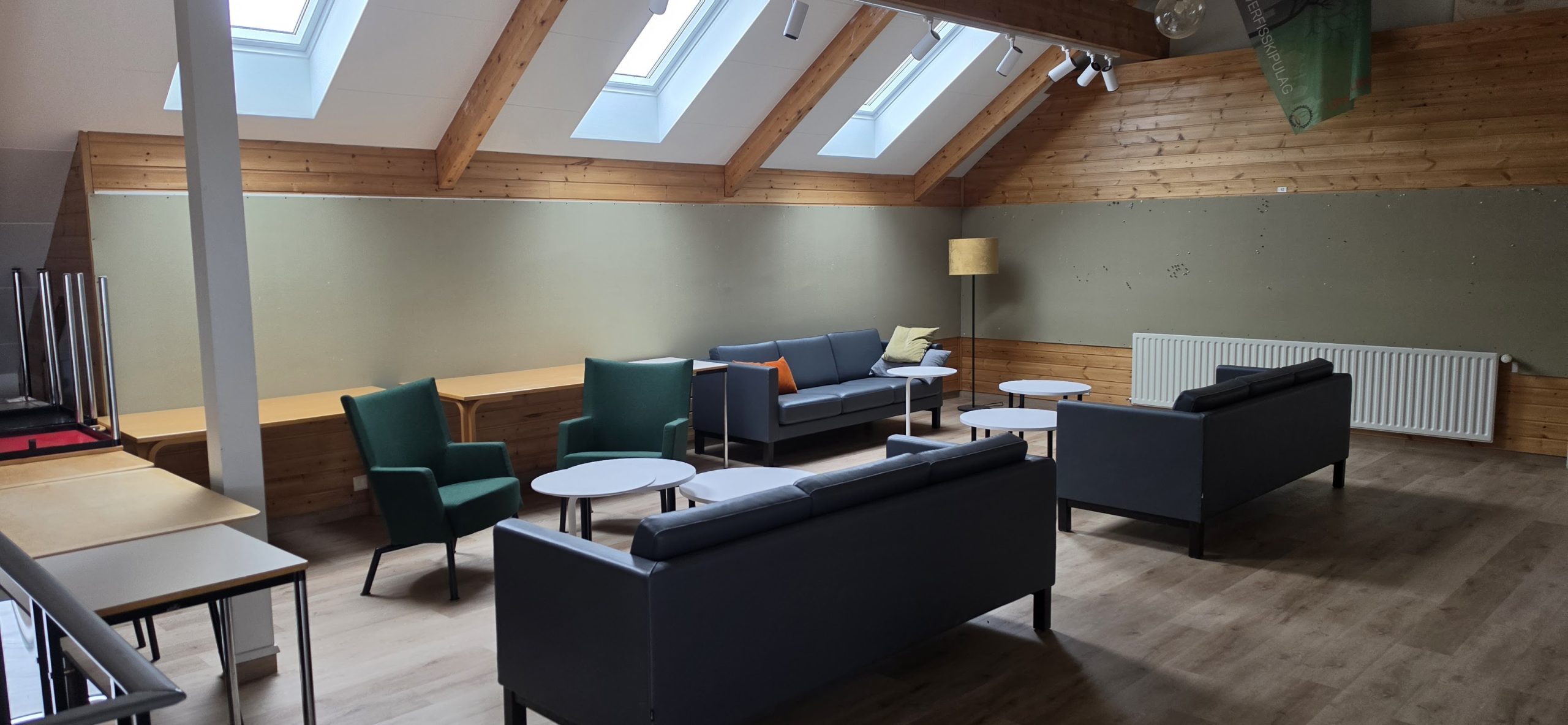
The Agricultural University of Iceland is in Hvanneyri, about an hour and a half from the capital, inside a nature reserve. The campus is tiny – a cluster of buildings around a farmyard, basically – and when we arrive there’s nobody obviously around. To be fair, it’s still the Easter break, which we probably should have checked.
The university specialises in agriculture, environmental sciences, forestry, landscape architecture, and planning. The student body is tiny. But what it lacks in scale it makes up for in specificity. The student association (NLBHÍ) runs a calendar of events that reads like a rogue episode of Countryfile crossed with a village fête.
Leðjubolti is an annual inter-departmental football tournament played in mud on the banks of a local river, with simplified rules designed to be inclusive and entertaining rather than competitive.
Viskukýrin – “the wisdom cow” – is a February quiz night with questions drawn from the subjects taught at the university. The freshers’ barbecue is traditionally held in a converted old cattle shed by a lake, where everyone brings their own food to grill. The annual formal invites recent graduates back for a gala dinner each November.
And then there are the clubs. Hrútavinafélagið Hreðjar – the ram appreciation society – is dedicated to promoting interest in Icelandic sheep farming. Members buy a share in a breeding ram owned by the club, which serves as both a symbolic and practical entry point into livestock breeding. Kúavinafélagið Baula is the cattle equivalent, founded in 2016.
Hestamannafélagið Grani is the riding club, focused on the Icelandic horse, open to students, staff, and local residents. And Búfjárræktarklúbburinn – the livestock breeding club – organises an annual weekend field trip to farms around Iceland, planned by second-year agriculture students.
In a UK context, these would be called societies. But “societies” implies something optional and extracurricular – a nice-to-have alongside the real business of getting a degree. Here they feel more like the point.
The students are studying agriculture and animal science, and the clubs are where they start actually doing it – buying shares in rams, visiting farms, riding horses, arguing about the future of the dairy sector. The line between the curriculum and the club is almost invisible – as it should be.
The hybrid we actually meant
Back in 2021, the QAA’s Eve Alcock and Jim wrote a piece for Wonkhe arguing that higher education had got itself stuck in a false binary. You were either a boarder – living away from home, immersed in campus life, paying rent for a room you’d sleep in seven nights a week – or you were a commuter, battling across town on the bus, never quite belonging.
We thought there was a growing group of students caught in between – the “regionals,” we called them – for whom neither model really worked.
Our argument was that “blended” learning, as the sector had started to imagine it, was solving the wrong problem. Running some lectures online and some in person didn’t help the student who lived an hour away and couldn’t afford to rent a flat they’d only half-use. It just meant everyone got a worse version of both.
Imagine turning up at a four-day conference and being told the opening plenary is to be spent in your hotel room on Zoom – that’s what the boarders got. For the commuters, the breakout sessions were “best experienced” in person and the fun bits were either unavailable or streamed in a way that made you a detached observer rather than a participant.
So we proposed something different. Intensive residential blocks every few weeks. One module at a time. Three or four packed days on campus – lectures, seminars, group projects, social events, clubs and societies – all woven together as expertly as a decent conference. Then everyone goes home to their lives and communities and does the independent work.
Campus accommodation would be “farmed” for sleeping, not living. Deadline bunching would vanish. Housing demand in university cities would fall. Everyone would get the immersion. Everyone would get the flexibility.
We thought it was a good idea. Well you’ll never guess what we saw today.
28 days later
From Hvanneyri it’s a half-hour drive further north to Bifröst University. The road passes through lava fields – vast, flat, covered in moss, and occasionally interrupted by a horse.
Bifröst’s story is one of the stranger ones in European higher education. It was founded in 1918 as a cooperative college modelled on Ruskin College, Oxford – training staff for Iceland’s cooperative movement. It gained university status in 1988 and spent decades as a small residential campus offering degrees in law, business, and social sciences in an improbably remote location. Its alumni include a Prime Minister.
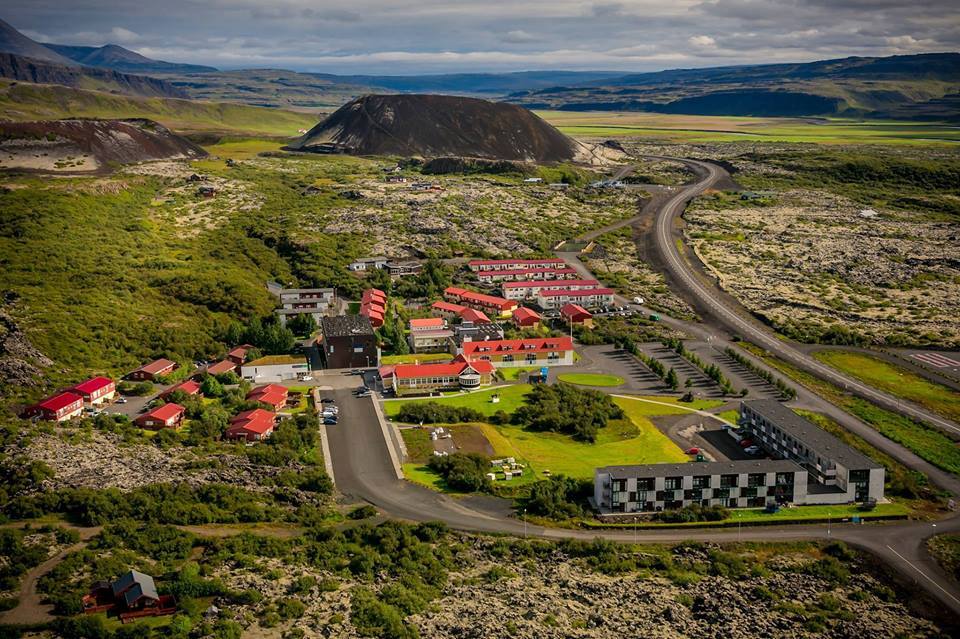
Post-Covid, it struggled to get those not living on the tiny campus to actually attend. So in 2024 it went fully online, became publicly funded, and relocated its main operations to two sites elsewhere. Enrolment tripled. Dropout rates fell from 24 per cent to eight per cent.
On paper it looks like a triumph. On the ground – standing in the car park – it looks like the opening scene of a post-apocalyptic film. The buildings are still standing. There’s a sign. The student residences are there. But there are no students walking between them, no bikes chained to railings, no coffee cups on windowsills. We are standing in front of a university that technically isn’t here anymore – because all of its students are at home, logging in.
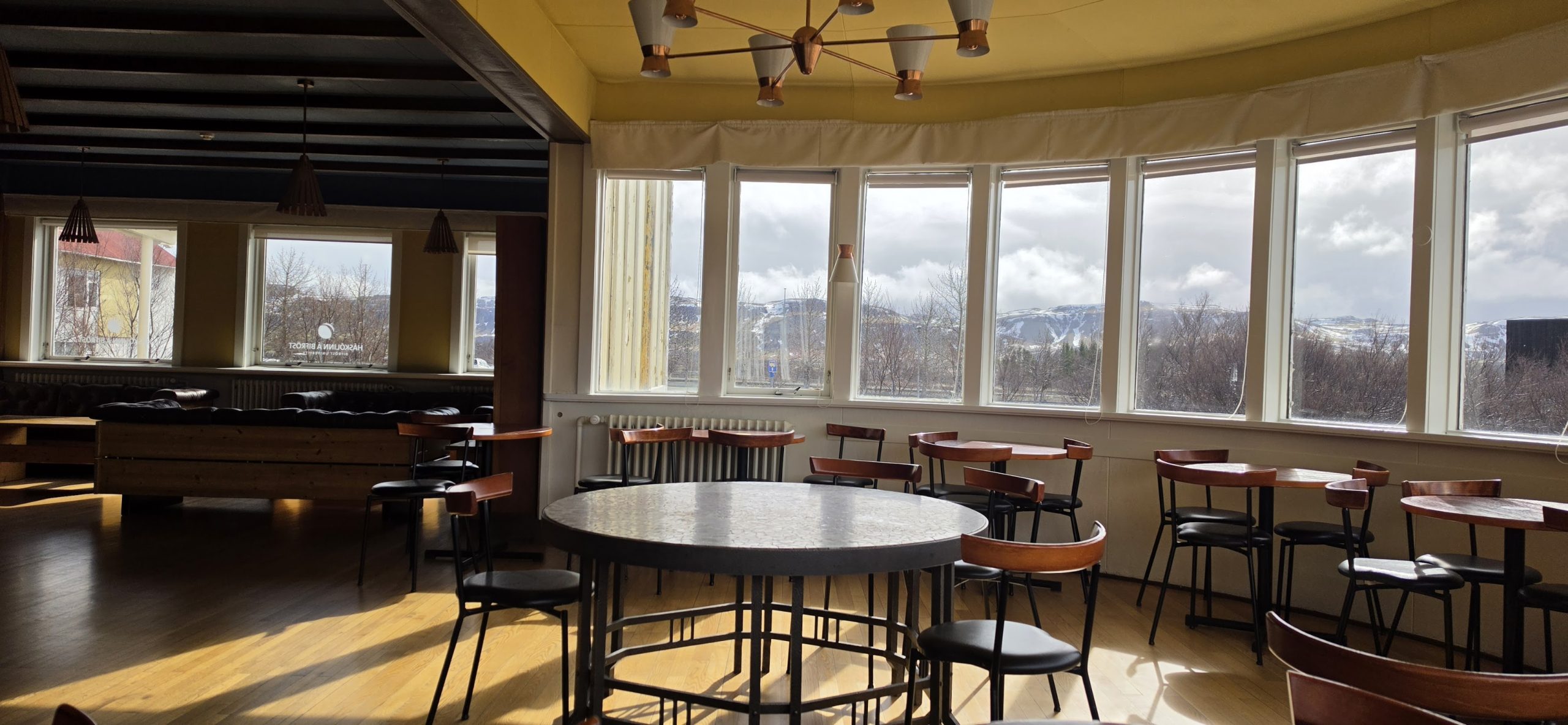
Lara Pázmándi, a Hungarian exchange student who came in 2015–16 when the campus was still alive, wrote that her time at Bifröst was:
…among the most important experiences in my undergraduate education. I had never thought about coming to Iceland before but sometimes life directs you in the best possible way.
You can’t really have that experience now. There’s nowhere for life to direct you to. Or so you’d think.
Staðlotur
Or so we thought. It turns out the campus isn’t quite as dead as it looks. Bifröst hasn’t abandoned in-person teaching – it’s compressed it.
The university organises its programmes into seven-week teaching blocks, and within each block there is one staðlota – an Icelandic term that translates roughly as “on-site session” or “residential block.” These are not optional. They are not induction weekends or social bolt-ons. They are compulsory, timetabled, multi-day teaching events – usually running Thursday to Sunday – where students who otherwise study entirely at a distance come together for intensive, subject-specific academic work.
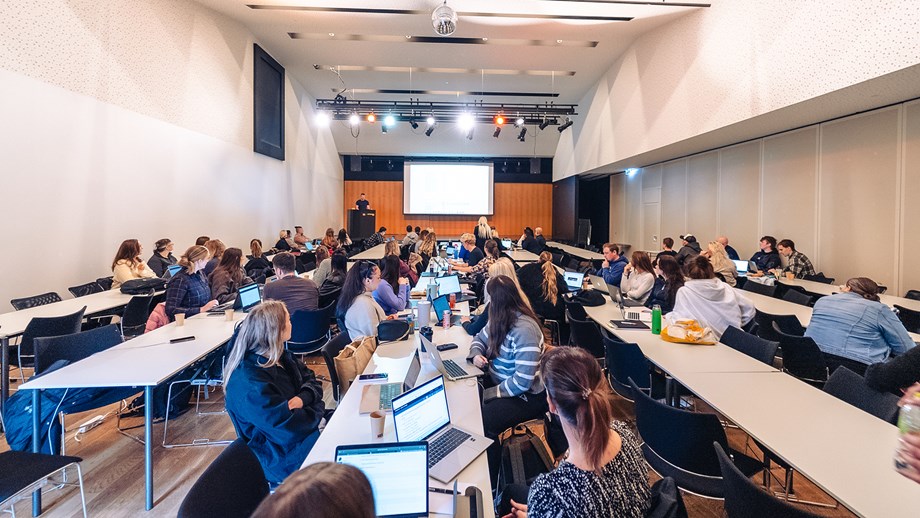
Some staðlotur are held at the Bifröst campus itself – the university still advertises student accommodation on site for those attending – but others take place at Hvanneyri, where we’ve just been, or in Borgarnes, the nearest town of any size. In September, law and social sciences students spent their staðlota at Hvanneyri while business students were based at Hjálmaklettur in Borgarnes.
What happens during them is real teaching. At that September block, sessions included design thinking and creative industries, national security studies in an Icelandic context, green public administration, creative and practical writing, criminal procedure, and contract law. Business students had digital marketing, service management, brand management, and a session on automation. Guest lecturers included a Cornell academic. There are icebreakers and games, but more importantly these are the concentrated face-to-face portion of entire modules.
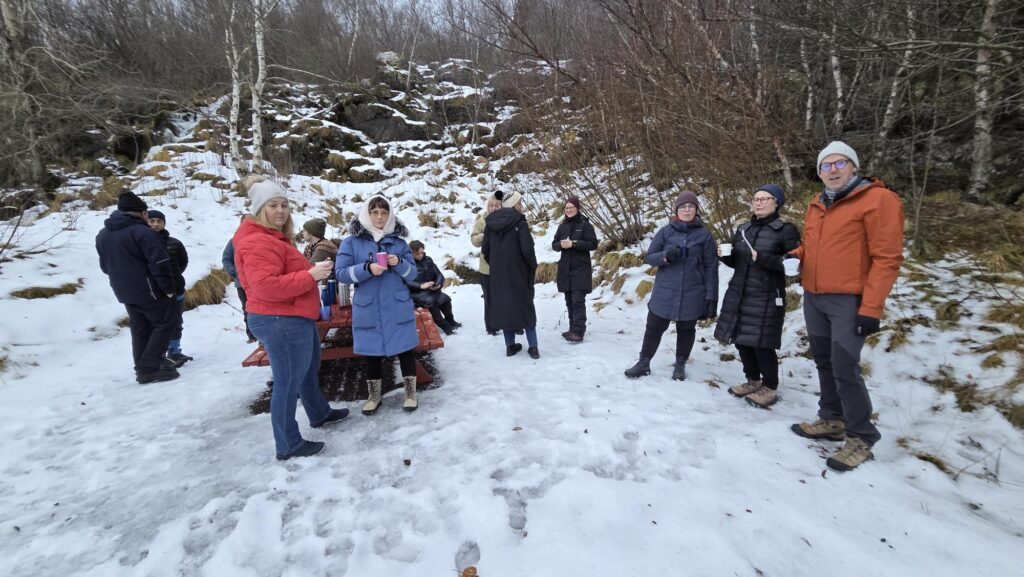
The programme pages spell it out. In each seven-week block, students work through online materials and independent study. Then the staðlota arrives and they meet their teachers and classmates, take part in discussions and group projects, hear guest speakers, and do the kinds of assessment – oral exams, presentations, supervised coursework – that are difficult to replicate through a screen.
It is, almost exactly, what Eve and I described in 2021 – iIntensive residential bursts, one module’s worth of in-person contact at a time, campus accommodation used for sleeping, not for living. The flexibility of distance learning with the social and pedagogical benefits of being in the room. We just didn’t know the Icelandic word for it.
Bolting the social back on
The student association (NFHB) has had to completely reinvent itself for a dispersed student body, and the staðlotur are where it concentrates almost everything.
On staðlota weekends, NFHB runs open-house socials in Vikrafell – the student social space on the university grounds, kitted out with pool, darts, table tennis, and film-screening facilities. It organises pub nights at Hvanneyri. It runs themed parties – a Halloween event here, a staðlotuskemmtun there – timed to the specific weekends when students are physically in the same postcode. When a planned party was once cancelled because of programme changes, the association kept the open house going anyway so students could still meet and spend the evening together.
There are practical touches too. At some staðlotur, NFHB sets up refreshment stations at the teaching venues between sessions. It sells hoodies on site – “find the nearest NFHB rep to buy one.” The annual gala dinner is timed to coincide with a staðlota weekend. So is the freshers’ ball.
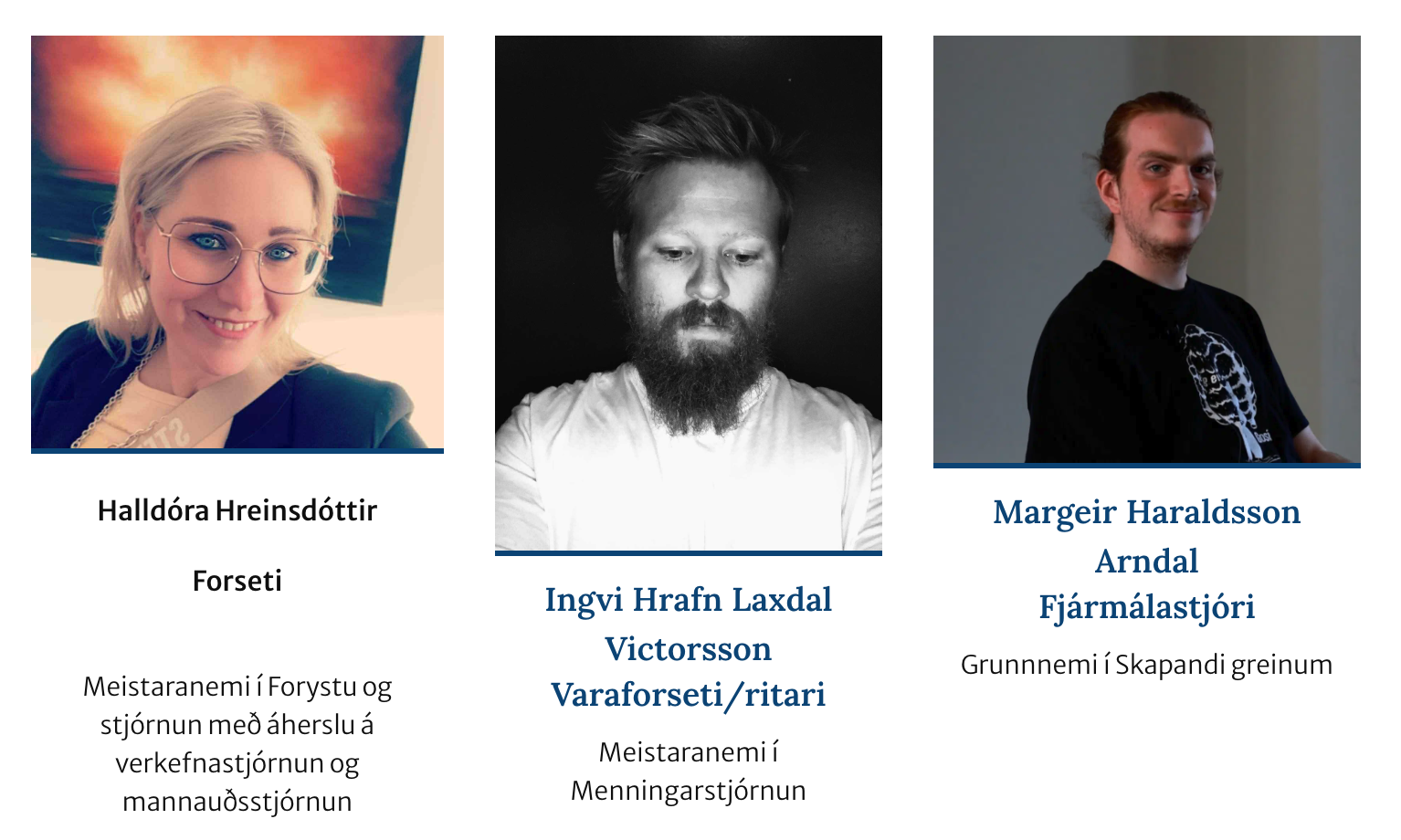
Three departmental sub-associations – Nomos for law, Verus for social sciences, Merkús for business – operate under the NFHB umbrella, and their chairs double as undergraduate representatives on departmental boards. Nomos has been the most visibly active, running a “Law Day” showcase and founding an alumni network.
It is distance learning with the social architecture bolted back on – freshers’ balls timed to compulsory weekends, an entertainment committee planning events for the three days a semester when everyone’s actually in the same place.
Whether that substitutes for the daily collisions of campus life is a question the OU’s students’ association has been wrestling with for decades. But at Bifröst it doesn’t feel like a compromise. It feels like a design choice – one that tripled enrolment and cut dropout by two thirds.
3,400 years of lava
Up the road from the Bifröst campus is Grábrók, a 3,400-year-old volcanic crater. You walk up a boardwalk through a lava field for about fifteen minutes and then you’re standing on the rim looking out across a landscape that hasn’t fundamentally changed since the eruption.
The crater is a neat circle, and the lava field stretches in every direction. On a clear day – and this is a clear day, for once – you can see all the way to the glacier.
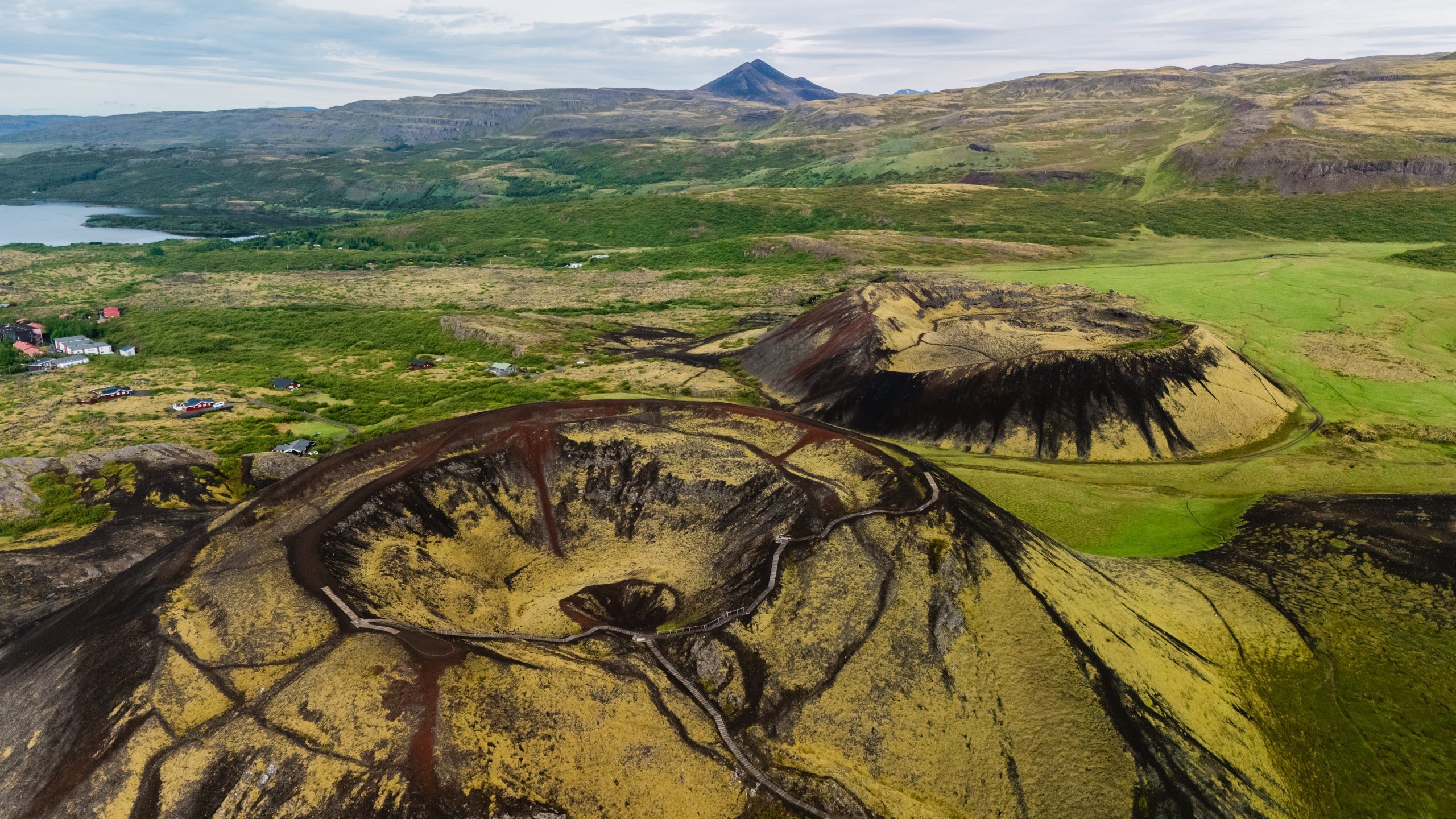
There is something astonishing about a university campus next to an active volcanic feature, in the same way that there’s something absurd about a ram appreciation society or a mud football tournament on a riverbank. But the absurdity is the point.
On the way back we skip the tunnel and take the Hvalfjörður coastal road instead – a fjord drive that adds about forty minutes but passes the site of a former WWII Allied naval base and offers the kind of views that make you stop the car roughly every three minutes.
The fjord is flat and grey, and the mountains on either side are streaked with snow. There’s nobody else on the road.
Our last stop is Álafoss in Mosfellsbær, a historic wool factory and shop on the outskirts of Reykjavík. It’s been operating since 1896, and sells (christ alive expensive) Icelandic knitwear alongside yarn, blankets, and a small café.
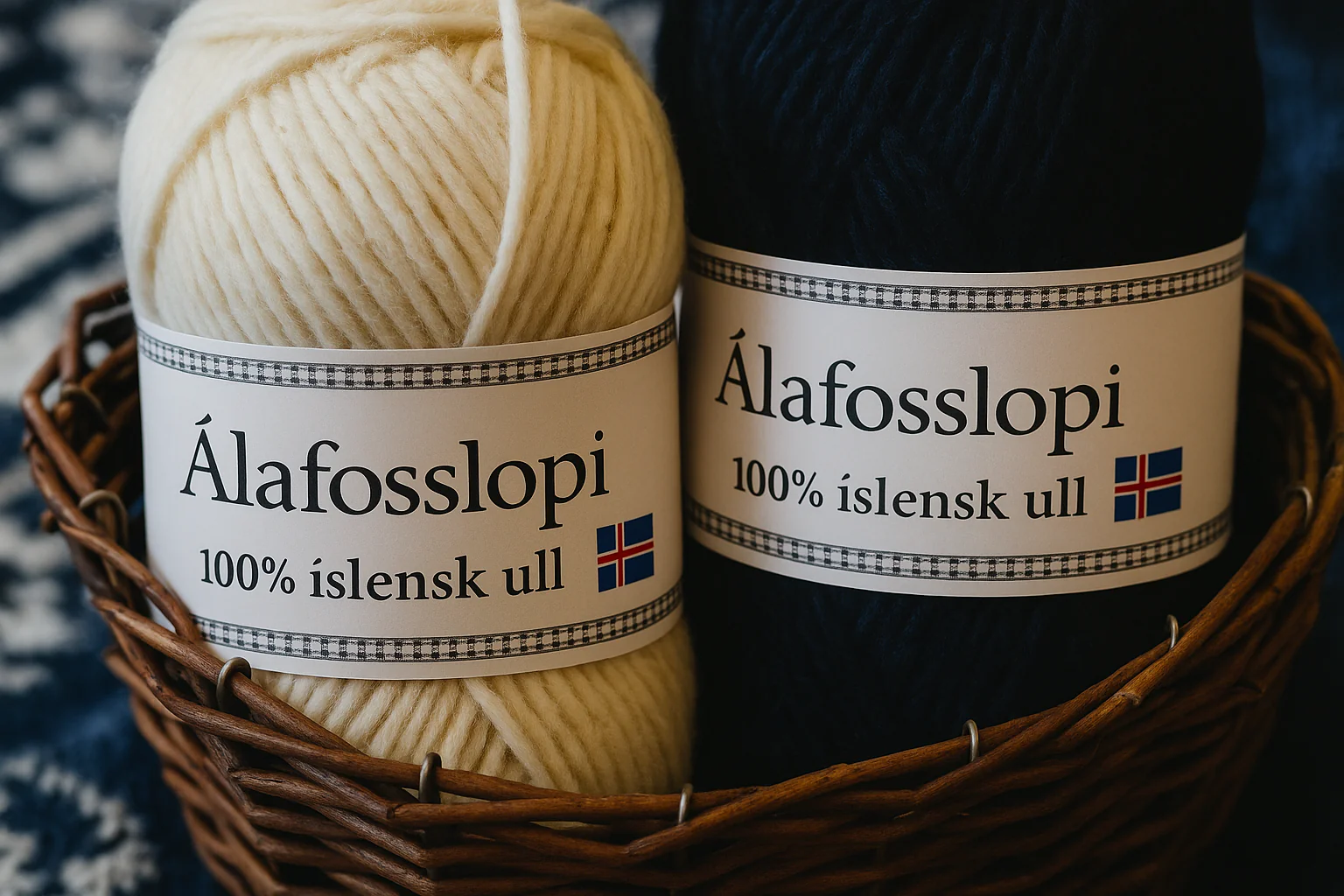
We spend longer here than we probably should. The exchange students we met the previous evening told us to buy second-hand lopapeysa at the Kolaportið flea market for a fifth of the price. We buy them at Álafoss anyway, because we are weak and we know there’s no gaps in the itinerary.
We return the Dacia Duster to the domestic airport. The official study tour starts in the morning – we’ll be indoors for most of it, which after a day of craters and fjords and lava fields feels like a tragic waste of Iceland.
But that’s what we’re here for. The ram appreciation society will have to wait.


