
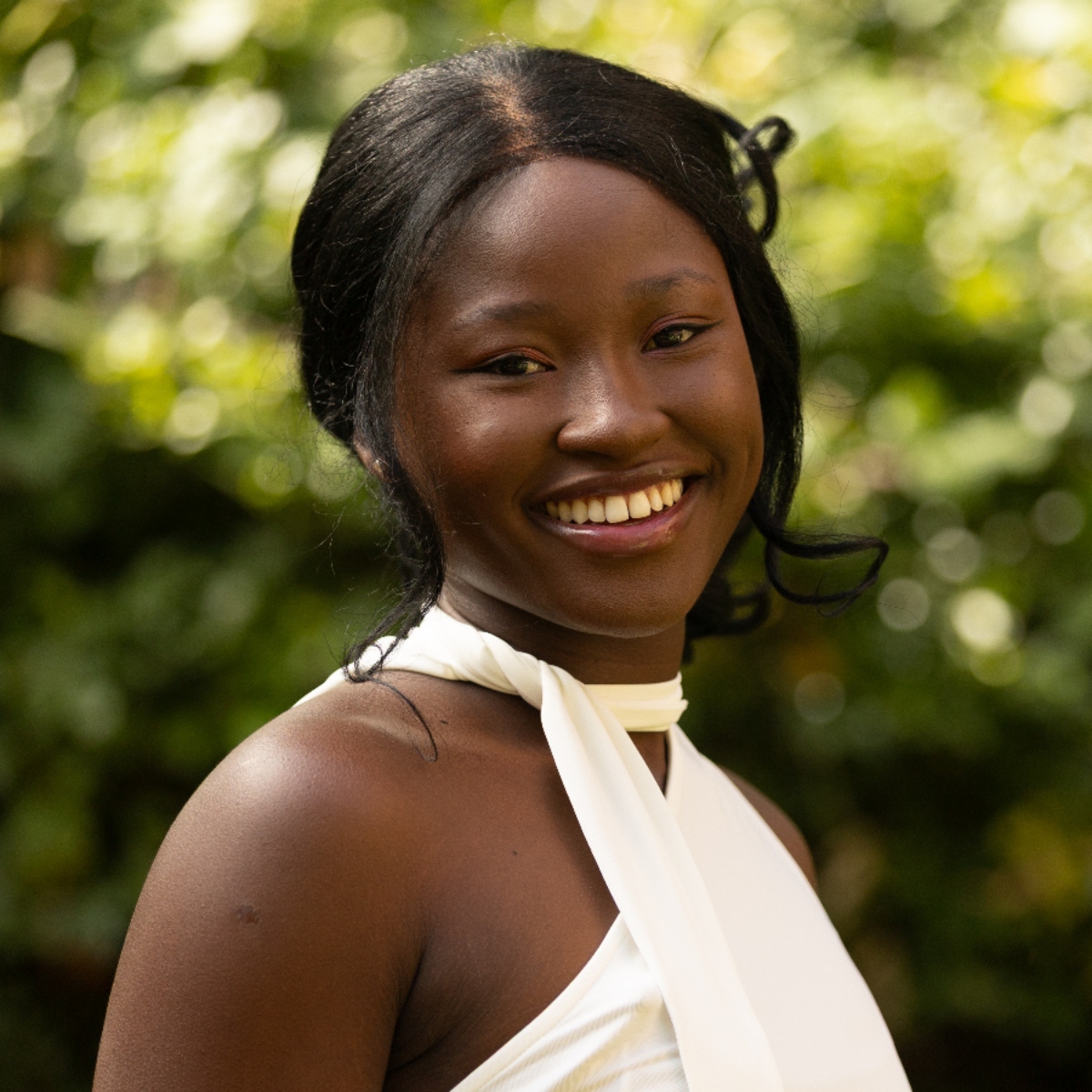

From the moment I picked university down in the South West, my TikTok algorithm was filled with videos of other students of Black Heritage having concerns about belonging in universities that were deemed white-washed.
With these concerns at the back of my mind, I moved into the University of Exeter and joined the African Caribbean Society. The first few messages in the group chat were “where can I get my hair done,” and “where can I get hair products?”
The committee sent contacts of hairdressers in Bristol, Plymouth and London. The whole community had this collective understanding and acceptance that if we wanted to maintain our “blackness,” we had to do that elsewhere and at a cost.
I personally never thought too much of it – it felt like a norm.
All my friends in other universities faced the same issue. Either travel or go home.
And even my international student friends had to wait a full year to go back home to get their hair done or otherwise experienced additional worries trying to find out how to take care of their hair in a new place.
By my third year and after becoming a student officer I learnt that Black students’ attainment gaps were linked to belonging.
In meetings it seemed like something many wanted to tackle with initiatives that often lacked engagement. Projects like Black history month, black mentoring, and targeted black students outreach all made some impact, but they were not at the expected level.
Pay up
For decades, this has been an issue in Devon. But there’s been rising numbers of people with Afro Caribbean heritage, so with rising numbers comes increased demand.
With the rising cost of living, students are paying anywhere between £40 to £100 for transport to get their hair done, and then paying anywhere between £50 to £300 for the actual hair service. For many of us within the community, we either had to pay up, or come to terms with not feeling confident.
I started the project by taking a holistic approach. How can I get community buy-in whilst making sure they felt seen?
I hosted a pop-up stall giving out free silk bonnets and durags in return for feedback on post-it notes on their haircare journey and initiatives they would like to see from the university.
This was timely during Black History Month, so I made some flyers with empowerment themes and hair textures and signposting of where to find hair products online.
We worked with the university to support us with sustainable projects that would improve Black belonging. This included more diverse foods in the university, termly pop-up Afro Hairdressing and collaboration with the local community to empower the Black community as a whole. The success of our lobbying was simply down to the university wanting to listen.
From the feedback from over 150 written post-it notes, we secured an Afro-Caribbean Section in our on campus university shops. Then we launched our first-ever Afro hair braiding workshop with over 30 attendees learning how to braid their Afro and kinky hair with mannequin doll heads. We’ve now got plans to launch this termly.
And the conversations we had with students reminded us how valuable the event was, particularly for students who had struggled with settling into university.
It’s not just here
This is not a South West only issue.
There are many universities in the UK that have students feeling like they belong in their new city. And we need to look at belonging differently and how do we target our groups in ways that are most meaningful to them.
In this case, it was hair, but in other cases, it could be something else.
In 2025, the BBC contacted 259 hair and beauty colleges. Of the 237 that responded, 155 confirmed they did not teach haircare for Afro-textured hair.
Local communities and their partners have a responsibility to serve everyone, even those in the minority. These figures highlight that this is about more than hair, it reflects a deeper issue within our communities, one that extends far beyond Exeter. People should feel at home in their local communities.
And if we want to ensure students feel at home whilst studying away at university, we need to think about housing, community relations, and access to job opportunities and there’s a case to be made for looking at things like hair too.
Small but meaningful
The biggest lesson I’ve learned from this project is that we don’t always achieve everything we set out to. At least not within a year.
However, we can still make meaningful progress towards the goal.
Universities need to take practical, identity-linked steps because they go beyond surface-level fixes and directly improve how students experience their environment. When students feel seen and understood in ways that reflect their identities, they’re far more likely to engage, access support, and feel confident in their place at university.
From the inclusive hair project, the benefits are clear. Engagement increases, because it feels relevant and genuine rather than tokenistic. A stronger sense of belonging develops, which has a direct impact on retention and attainment. And over time, these actions contribute to a wider cultural shift, embedding inclusion into everyday university life and not just a one-off event.
What issues have we been discussing for years in our communities, yet simply come to accept? And it’s often the smallest changes that create the most meaningful impact.


