


In the decade since Iceland overhauled its student loan system, the number of people actually borrowing from it dropped by roughly 40 per cent.
The country now graduates fewer people with university degrees than its Nordic neighbours.
Over coffee in a small Reykjavík office, the team at LÍS laid this out with the matter-of-fact calm of people who’ve been saying it for years and have the data to prove it.
Outside it was doing that thing Icelandic weather does in April where it can’t decide between horizontal rain and aggressive sunshine, sometimes within the same minute.
We’re on Day Two of the Wonkhe SUs study tour, where a bunch of SU officers and staff are learning from a National Union of Students that very much punches above its weight. It’s how we’ve been most interested in.
Six demands and a shopping centre
LÍS was founded in 2013 – which makes it younger than most of the people reading this blog – in direct response to proposed changes to the national student loan system.
That origin story matters. This isn’t an organisation that emerged from a vague aspiration toward student voice and grew into policy work. It was born out of a specific threat, organised fast, and has stayed focused on student finance ever since.
It represents about 21,000 students across all seven Icelandic universities plus SÍNE, the association for the significant number of Icelandic students who study abroad.
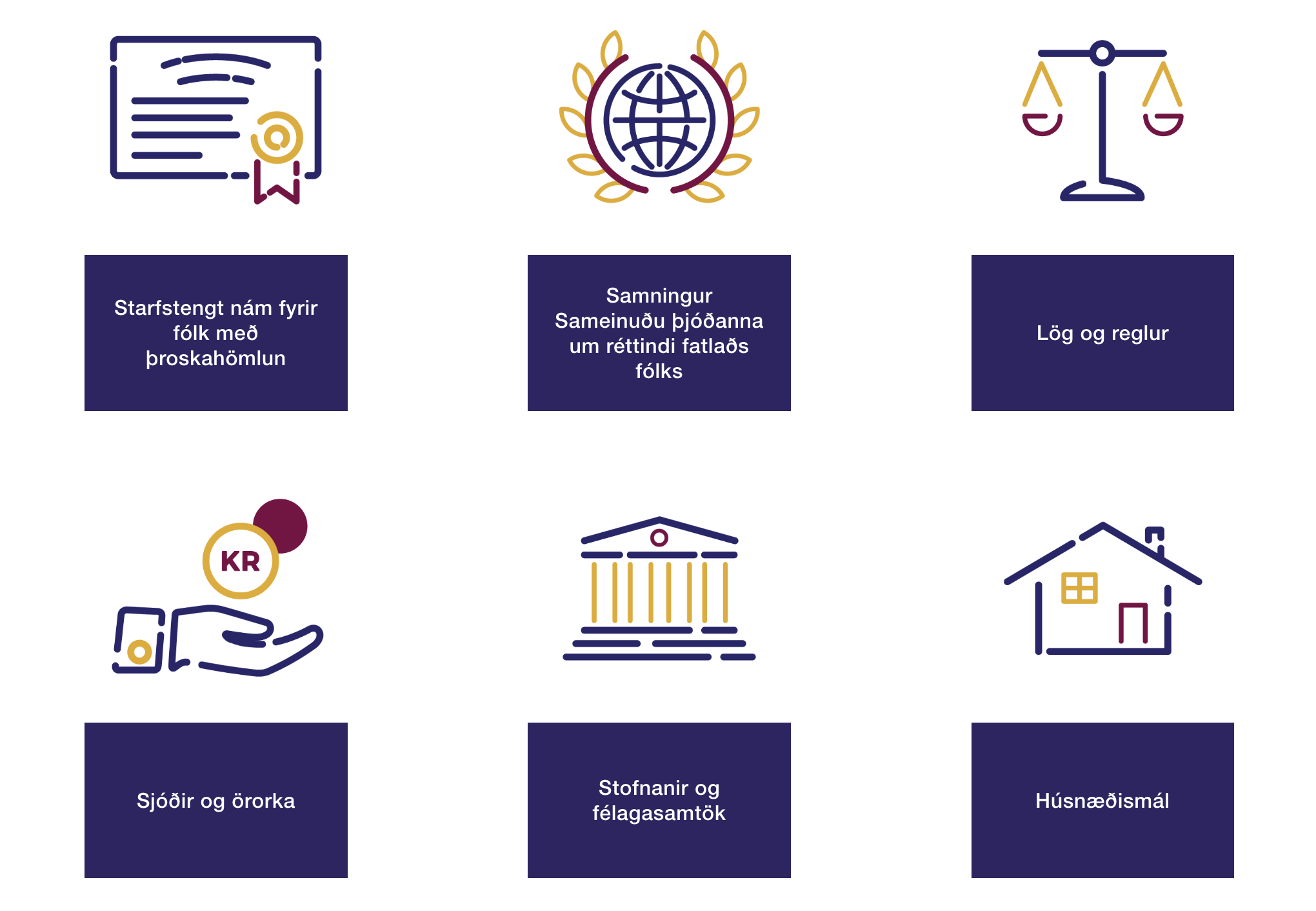
The campaign architecture is impressively specific – six demands, each with its own page, its own data, and its own URL.
A grant system modelled on Norway’s. Living cost loans that actually cover living costs. Interest rates that have never been higher – under the new fund, rates are variable and index-linked to the consumer price index, which during a period of high inflation means graduates are watching the nominal value of their debt climb in real time. Tuition fee loans adequate for students at private institutions. Flexibility for a student population whose mean age is nearly 30 and where a third are parents. And fair repayments.
For anyone who has spent any time in the Plan 2/Plan 5 debates, the parallels are immediately recognisable – index-linking, maintenance adequacy, the balance between loan and grant – even if the sums are far smaller.
What’s different is the precision. LÍS has published supporting data and analysis to back each demand, and the campaign is timed to coincide with a scheduled government review of the legislation.
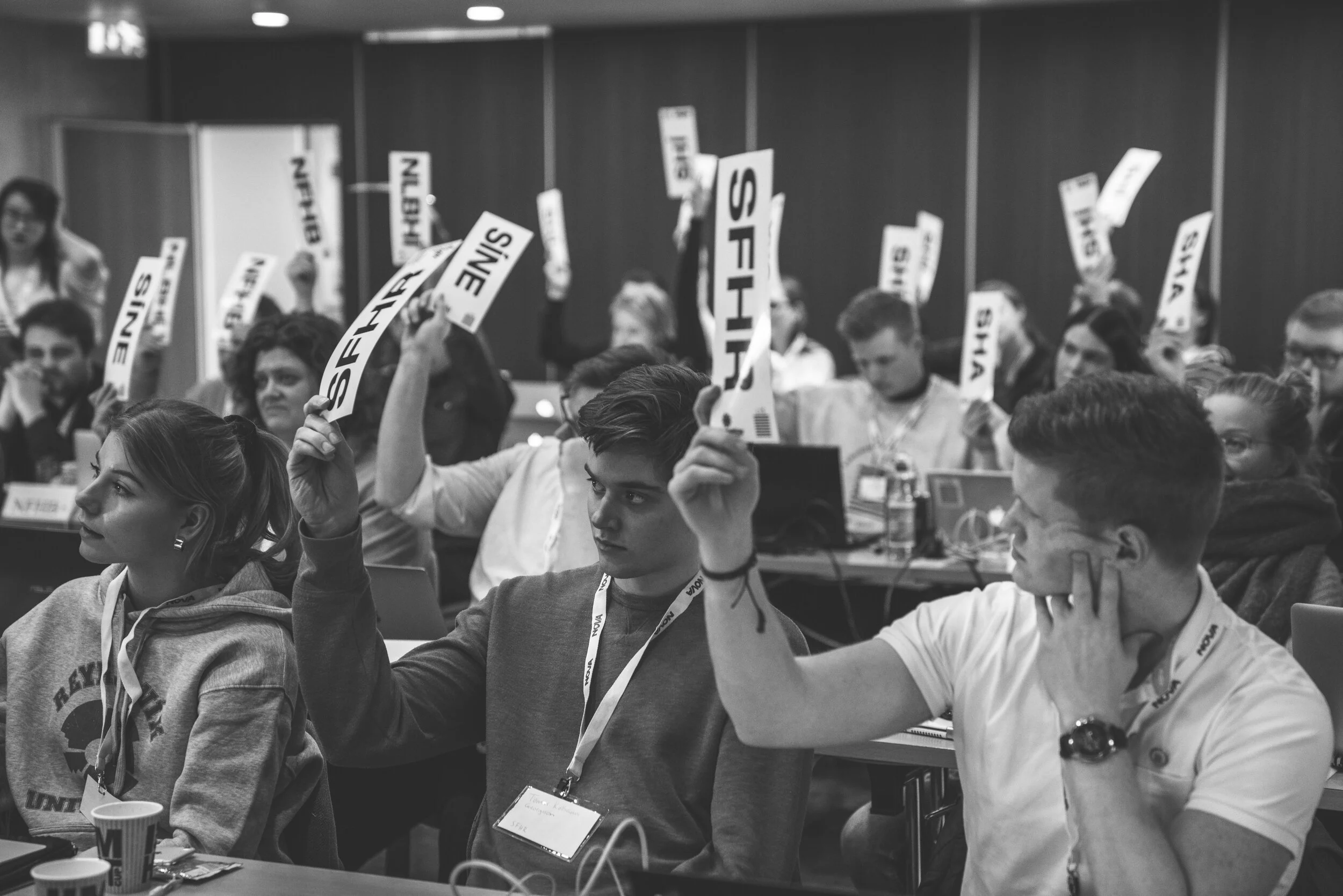
In autumn 2023 they partnered with BHM, the national confederation of university graduates, to stage a public exhibition in a shopping centre – yes, a shopping centre – inviting visitors to step into a future where academic fields are disappearing because nobody can afford to study them any more. It makes a change from vague online petitions.
The 30 per cent that wasn’t
The student finance system itself is fascinating. Iceland replaced its old student loan fund with the Menntasjóður námsmanna in 2020, and the headline reform was that 30 per cent of your loan gets written off if you complete your studies.
It sounds generous – until you learn that completion had to happen within a rigid timeframe, that inadequate living cost loans were forcing students into excessive paid work, that the excessive work was extending study times, and that the extended study times meant students were missing the very deadline required to get the write-off.
A vicious cycle, as LÍS’s January 2026 statement put it, which is about as polite as you can be about a system that punishes people for being too poor to study full-time.
There has been a partial win. Act 253/2025 restructured the forgiveness mechanism – shifting from a single 30 per cent reduction at the end to 20 per cent per semester plus 10 per cent on completion.
It’s better for a broader group of students, but LÍS was explicit – the wider reform agenda remains unfinished.
They’ve now commissioned an economist – jointly with BHM – to produce a full impact analysis of the 2020 reforms. Nobody we spoke to seemed under any illusion that this would be a comfortable read.
Governance by mandate, not by personality
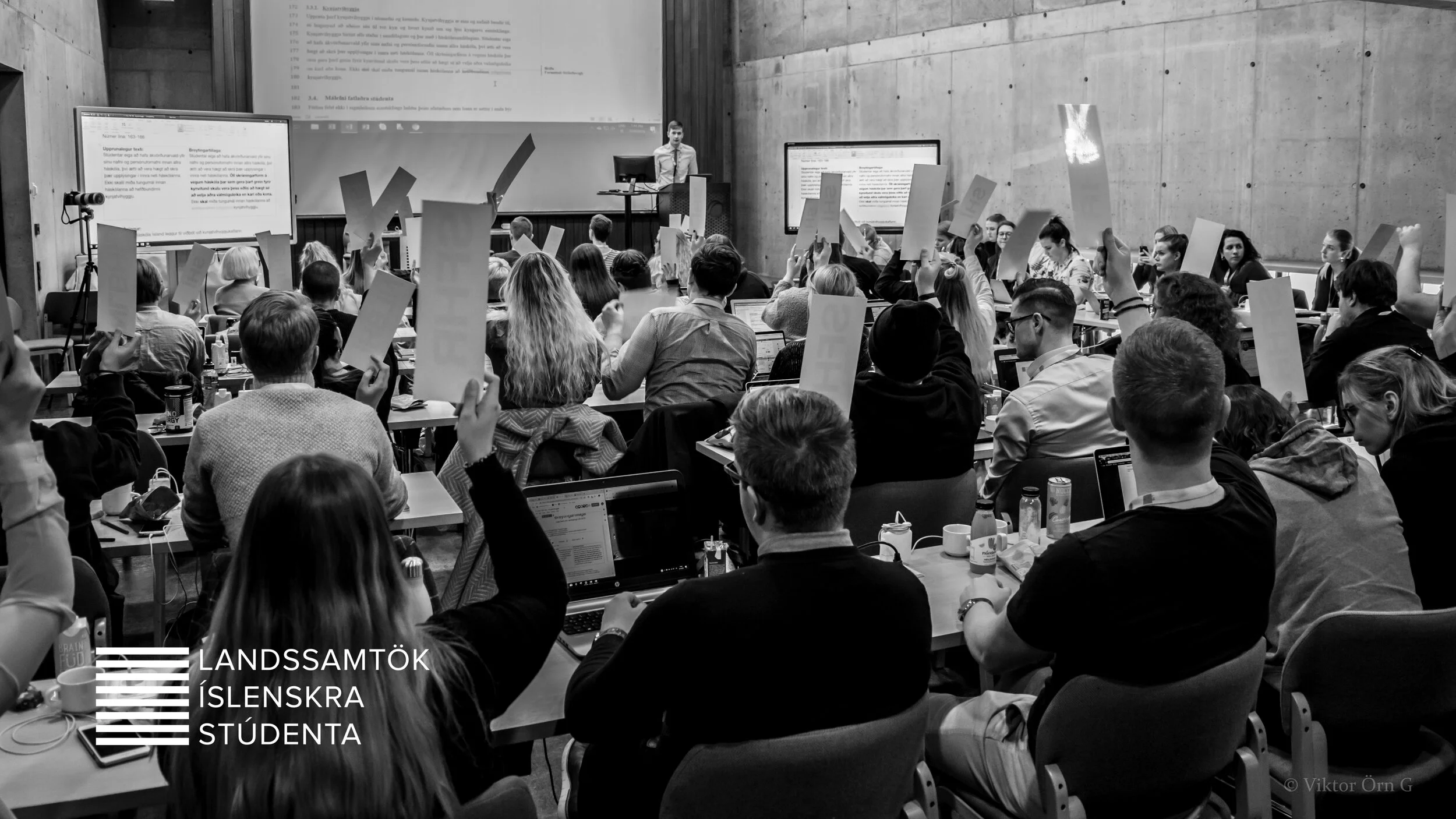
What struck several of us was the governance model. LÍS acts on behalf of its eight member unions at national level – but only under joint mandate from all of them.
A board of representatives with two delegates from each member union holds decision-making authority between assemblies. Six standing committees – legislation, finance, international affairs, quality assurance, marketing, equal rights – do the ongoing work, with seats advertised to students each autumn.
It’s a model built for distributed leadership rather than celebrity. The executive committee – president, vice president, quality assurance officer, international officer, equality officer, plus a professionally hired executive director – is elected at the annual assembly, and the work is done through committees and mandates rather than through sheer force of personality and an Instagram account.
LÍS also has a statutory role – it jointly nominates one of the three members of the national Board of Appeal for student complaints, the body that sits above all institutional complaints processes. All three members must meet the qualifications required of a district court judge.
It’s hard to overstate how different this is from a system where student complaints end up at the OIA after a journey through internal processes designed primarily to protect the institution’s reputation.
The refugees, the elections, and Greenland
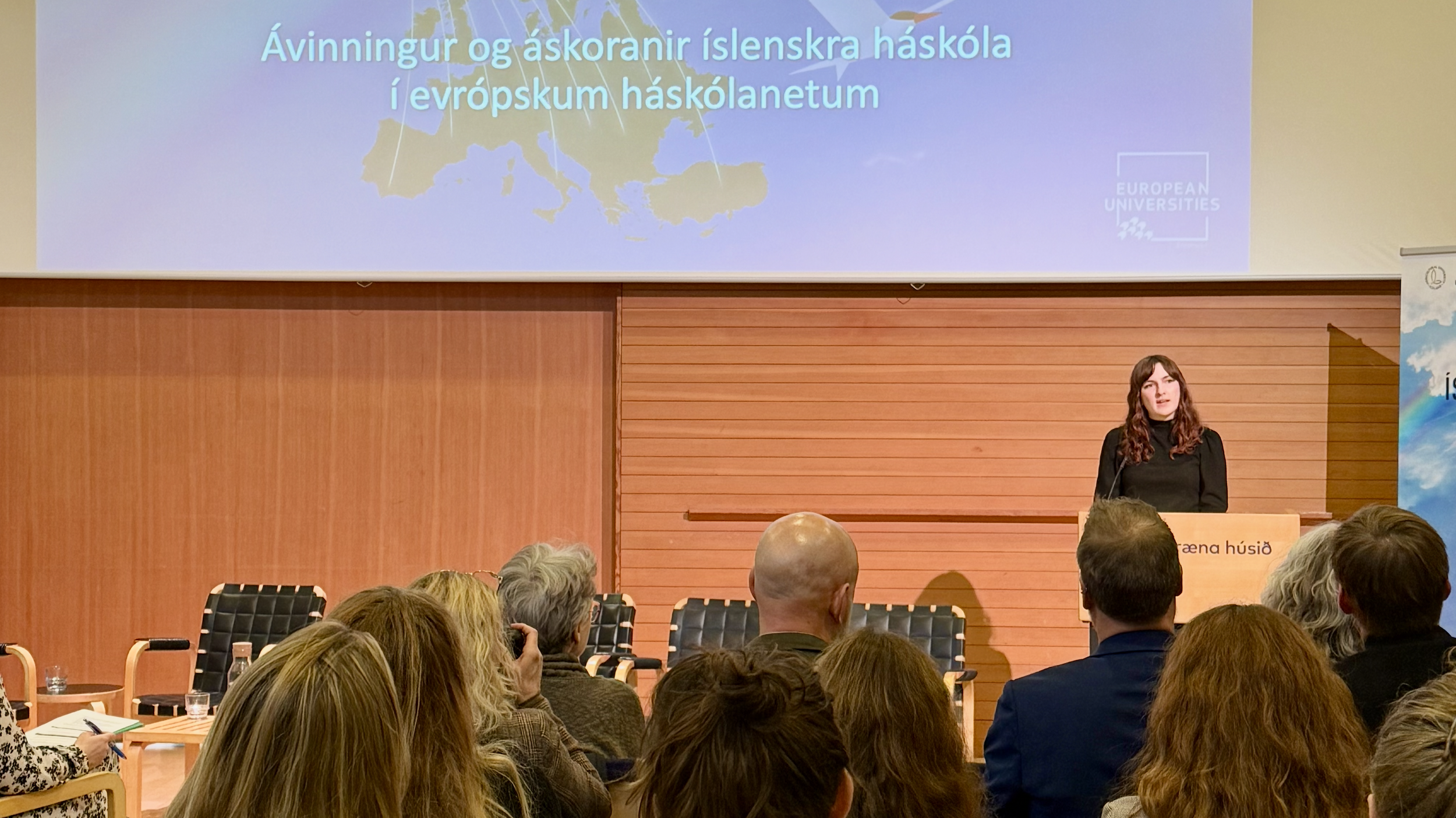
Before we moved on, Lísa Margrét – LÍS’s impressive president – talked us through some of the organisation’s wider work.
The Student Refugees project, launched in 2019 and modelled on a Danish initiative, runs volunteer-staffed “application cafés” in partnership with the Red Cross, helping refugees and asylum seekers navigate the higher education system.
A “Háskóli fyrir öll” (University for all) information bank sets out the legal rights and support services available to students with learning difficulties or disabilities.
Ahead of the 2024 parliamentary elections, LÍS published every political party’s stated priorities for students side by side on its website – from the Social Democrats to the Independence Party – as a voter information tool.
And in February 2026, a solidarity statement with Greenlandic students, emphasising that student wellbeing and mental health must be central to any discussions about the island’s future.
In a country of 395,000 people, the national student union taking a position on geopolitics doesn’t feel grandiose – it just feels proportionate.
A trade union you join before you graduate
Before we met LÍS we caught up with Viska, which translates as “Wisdom” and is an Icelandic trade union for university graduates. This requires a bit of context, because Iceland’s labour market operates on a model so different from the UK’s that several of us had to hear it twice.
There is no statutory minimum wage in Iceland. Instead, wages and conditions are set through collective bargaining agreements between unions and employers, and those agreements are automatically binding on all workers in the relevant sector – union member or not. Unionisation runs at about 90 per cent. All employees pay a union fee, typically 0.7–1 per cent of salary, deducted at source.
Membership of the union itself is voluntary, but the fee isn’t. In return you get sick pay, holiday pay, pension contributions – minimum four per cent employee, eight per cent employer – continuing education funds, and in some cases subsidised gym memberships and summer house rentals.
Viska was formed in late 2023 through the merger of three existing unions – social scientists, humanities professionals, and library and information scientists – creating BHM’s largest single member union with over 5,300 members. And here’s the thing that made several people in the room sit up: membership is open to anyone who has completed or is undertaking university-level study. You can join the graduate trade union before you graduate.
The student membership tier includes benefits like free smart-device insurance, which is the kind of concrete, immediate, unglamorous thing that actually gets people through the door.
Where the pipeline doesn’t leak
What Viska represents is the other end of the pipeline that LÍS is trying to fix. If the loan system works properly, students graduate. When they graduate, they enter a labour market where collective bargaining sets their terms – Viska negotiates those terms.
The union’s current priorities – housing affordability, student loan reform, child benefit policy, strengthening sick leave rights in the private sector – overlap substantially with LÍS’s agenda, because of course they do. The students LÍS represents today are the professionals Viska will represent tomorrow.
The union’s own analysis is bracing. Housing prices in Iceland have risen roughly 15 times the average increase across other Nordic countries over the past decade. Inflation has been above the central bank’s target for 69 consecutive months. BHM’s own research shows that a pattern of flat-rate pay rises has compressed the gap between graduate and non-graduate wages to one of the lowest among comparable countries – reducing the financial return on higher education at exactly the moment Iceland’s economic strategy depends on specialist expertise.
Viska’s offices, which have their own assembly hall and recently received the Nordic Swan Ecolabel, house a training programme for workplace representatives, a research fund for members, and access to BHM’s Career Development Centre, which awards grants of up to 600,000 ISK per person over two years for continuing professional development.
The centre has a partnership with the University of Iceland’s continuing education division offering fully funded courses. One course free of charge, no reduction in your individual grant allocation.
It was the president of Viska – who led the merger negotiations from one of the predecessor unions and sits on the board of the European Women’s Lobby – who said something that got us talking in the taxi back.
She talked about how the merger was partly inspired by Nordic examples of union consolidation, and partly by the recognition that three small unions representing overlapping groups of humanities and social science graduates would always be outgunned in bargaining rounds by larger, better-resourced organisations. So they combined. And in their first year of operation they became the first BHM union to sign a long-term collective agreement with the Icelandic state.
In the UK, we spend a lot of time talking about the transition from student to graduate as if it’s a cliff edge – student support on one side, the labour market on the other, and a careers service waving from a balcony somewhere in between.
In Iceland, the institutional architecture is different. The national student union and the graduate trade union aren’t just in the same policy space – they’re running joint surveys, commissioning joint research, and staging joint exhibitions in shopping centres.
The pipeline from student representation to professional representation isn’t a metaphor. It’s an organisational reality, with shared membership, overlapping campaigns, and a confederation structure that connects both ends.
Could a UK students’ union build that kind of structural relationship with a professional body or trade union – not just a solidarity motion at conference, but shared research, shared campaigns, shared membership pathways?
We didn’t answer that one in the taxi across town. But we did think about it for quite a long time.


