


The University of Iceland spent its first 29 years operating from the Parliament building.
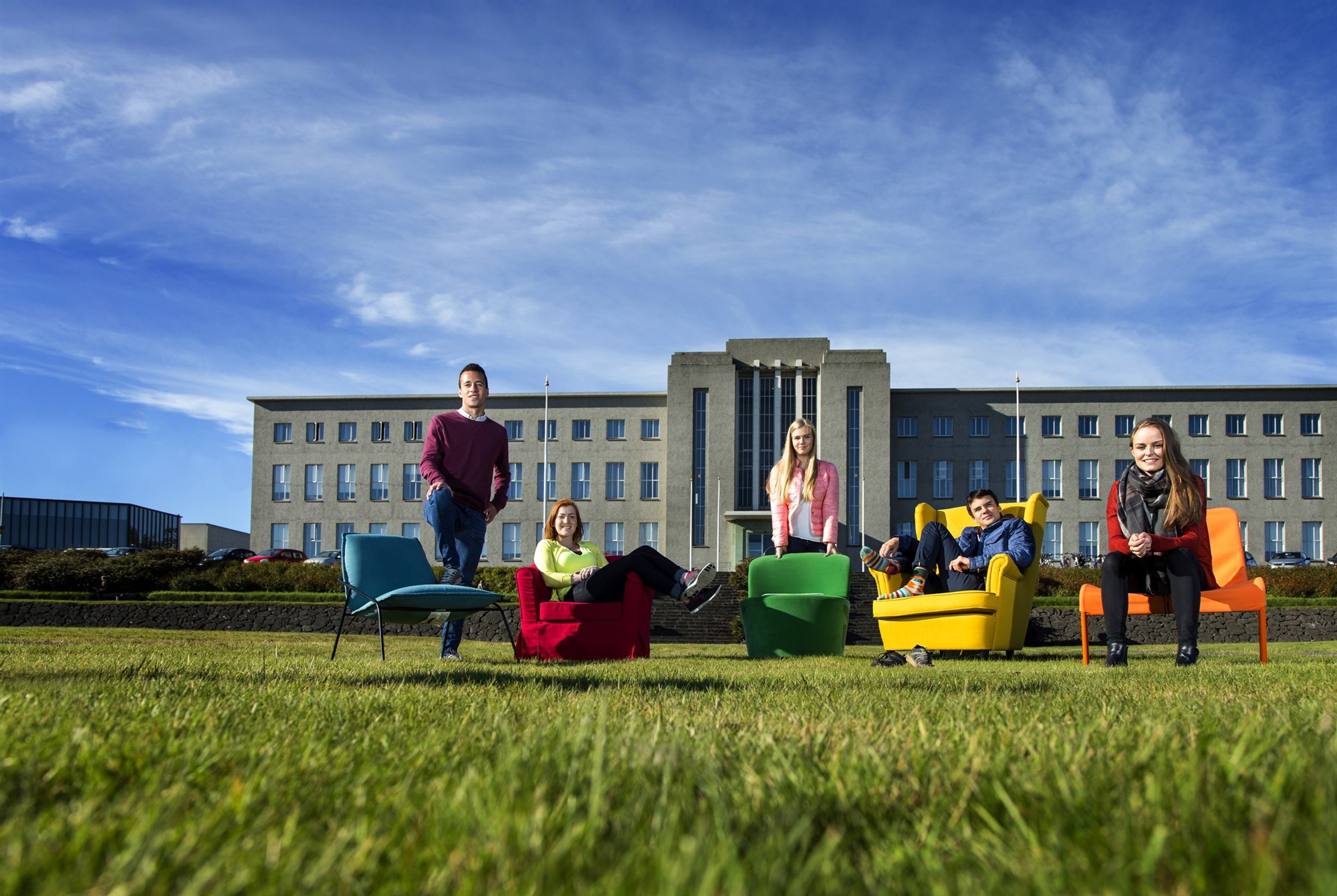
Then in 1940 it moved into a main building so striking that the British forces occupying Reykjavík during the war reportedly declined to requisition it. They thought it was too beautiful to use as a barracks.
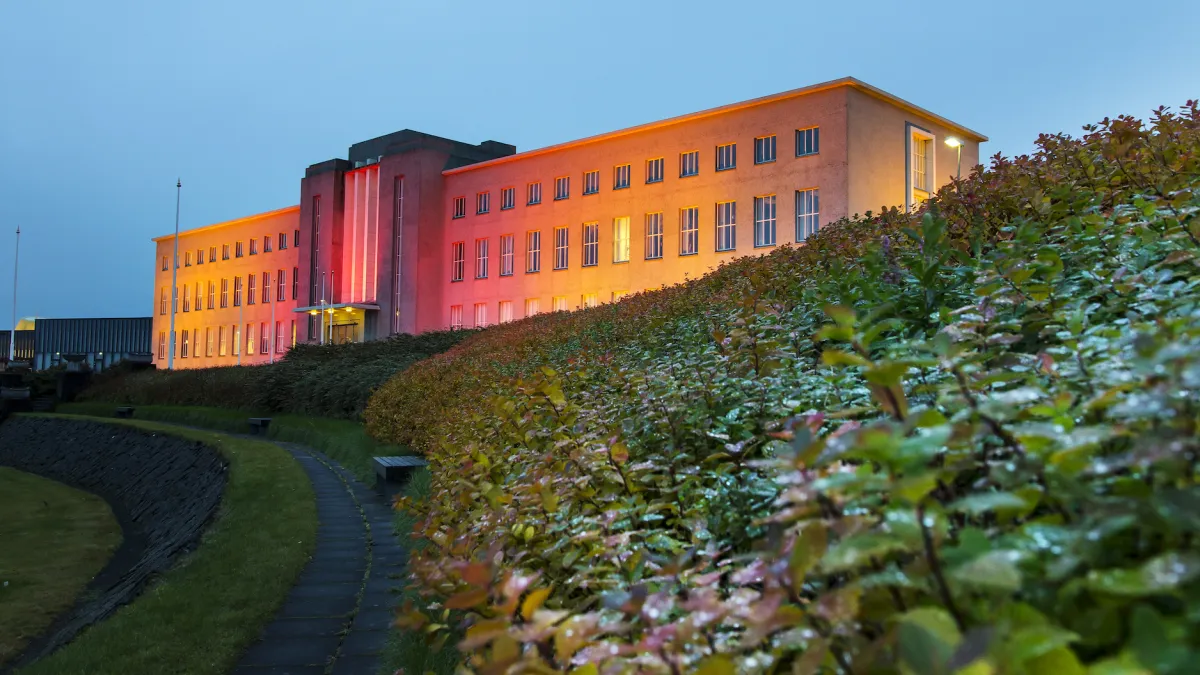
It is, to be fair, an astonishing building. Designed by Guðjón Samúelsson – often called the father of Icelandic architecture – it’s Art Deco crossed with Nordic Modernism, all stark geometry and elongated windows designed to pull in as much of the low Icelandic light as possible, with basalt-like textures on the exterior that echo the volcanic rock underneath everything in this country.
It overlooks a semi-circular lawn with a statue of Sæmundur fróði – a medieval priest who, according to legend, rode a seal across the sea from France having tricked the devil. As founding tales go, it beats a royal charter signing.
Day One of the Wonkhe SUs study tour to Iceland starts here – today a group of SU officers and staff gather in the capital of Reykjavík to meet both each other and a host of SU and university people working on the student experience.
The interest-advocacy force
Stúdentaráð Háskóla Íslands (SHÍ) is the student council at the University of Iceland, and it describes itself as a hagsmunaafl. The word translates roughly as “interest-advocacy force” but it functions just like a UK SU – at least on first sight.
It was founded in December 1920 – nine years after the university itself – and its first campaign was for a student dormitory. That dormitory, Gamli Garður, was built in 1934 and now houses exchange students. The Student Council’s founding predates the completion of the university’s own main building by twenty years. The students organised before the institution had finished building itself.
The council has 17 elected members, allocated across the university’s five academic schools – three from each, with the School of Social Sciences getting five because it’s the largest.
Students vote between competing lists within their school, and seats are distributed proportionally. The presidents of the five school councils sit on the central board alongside the overall president and vice-president.
The executive is elected indirectly – by the council, not by the student body – which means the president of SHÍ is chosen by 17 people, not by 14,000. Turnout for the council elections themselves runs at around 40 per cent, on almost no budget and no giveaways or bribes.
Nine standing committees cover international affairs, social life and culture, finance and careers, family and parenting, equality, academic affairs, innovation and entrepreneurship, amendments to the council’s own laws, and a school council coordinating across the five schools. Each employs its own (student) staff.
The rights office – the réttindaskrifstofa – is open to all registered students and handles everything from grading disputes to complaints about institutional decisions. It’s staffed entirely by students.
The council also administers a student fund that distributes grants four times a year for social and cultural activities, international cooperation, diagnostic assessments for learning difficulties or ADHD, and financial hardship relief for international students from outside the EEA.

Vaka and Röskva
Student politics at the University of Iceland involves two organised political lists – and has done for the best part of a century.
Vaka was founded in 1935. The name means “wakefulness” and it’s a female Icelandic name. Its position is broadly liberal-democratic, and it historically argued that the student council shouldn’t take stances on issues unrelated to students – a “keep politics out of student representation” line that sounds familiar.
Its signature achievements include establishing the Icelandic Student Loan Fund in 1961 and Félagsstofnun Stúdenta – the student services foundation – in 1968. Vaka has chaired the council 47 times in over 90 years.
Röskva, meanwhile, was founded in 1988. It also has a female Icelandic name – this one from Norse mythology. Its position is social-democratic, its motto is “equality, radicalism, and integrity,” and it argues that student advocacy should extend into society as a whole – climate, housing, LGBTQ+ rights.
Neither list is formally affiliated with a national political party, but alumni of both are well represented in the Althingi. Röskva’s founding chair became Environment Minister.
In practice, both focus heavily on student finance, accommodation, and mental health. The ideological differences are real but the policy overlap is considerable.
What’s distinctive is the persistence of the factions – identifiable organisations with institutional memory stretching back decades, running candidates on shared platforms, producing manifestos, holding their own internal elections.
It’s a fundamentally different model from the UK’s individual-candidacy, manifesto-light approach, and it produces a kind of political seriousness that’s hard to replicate when your election is a personality contest between three people nobody’s heard of, decided by 800 voters who want the freebie and a hustings on YouTube that nobody’s watching.
The motion that wasn’t
Röskva held an unbroken majority from 2017 to 2023, peaking at 15–2 in 2022. Vaka clawed back to 10–7 by 2025. And then the registration fee happened.
The council has long argued that the annual registration fee – the only charge public university students pay – is functionally an unlawful tuition charge. When the University Council approved an increase from ISK 75,000 to ISK 100,000 for 2026–2027, student representatives voted against.
An appeals committee ruling in late 2025 gave the council’s legal argument fresh ammunition. Röskva filed a formal complaint with the parliamentary ombudsman.
Vaka went bigger. In February 2026, the Vaka-majority council tabled a no-confidence motion against the Rector over her support for the fee increase.
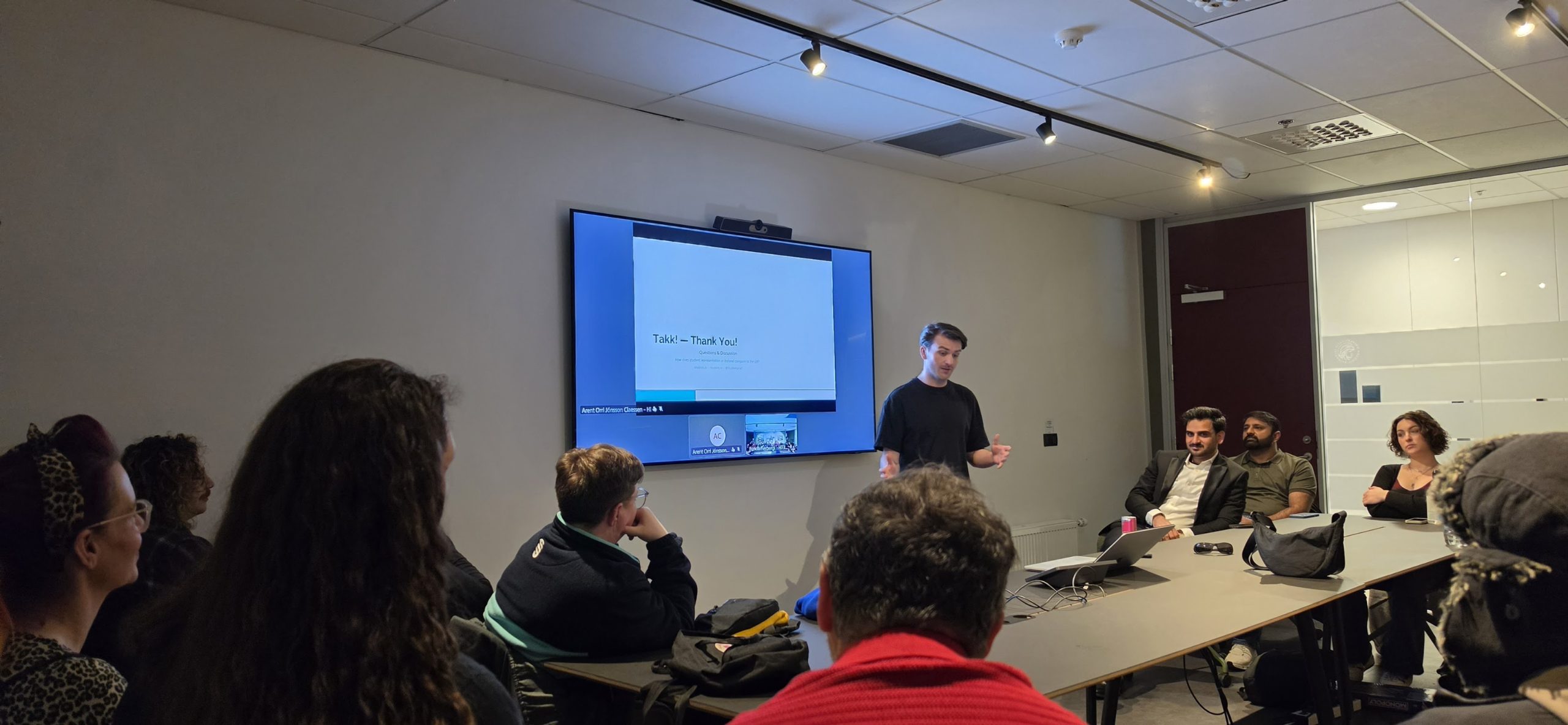
What followed was politically damaging. After meeting the Rector, Vaka’s councillors postponed their own motion – saying they wanted to give her two weeks to reverse course. Röskva demanded the motion be debated on its merits and accused Vaka of undermining the council’s credibility. Their argument was that you don’t table a no-confidence motion and then shelve it because you had a nice meeting.
Three weeks later, Röskva won the election 11–6, taking majorities on four of the five schools. The incoming Röskva-majority council will elect a new president shortly.The willingness to deploy formal tools – no-confidence motions, complaints to ombudsmen, legal challenges to fee structures – has no real parallel in UK SUs. Neither does the political cost of deploying them.
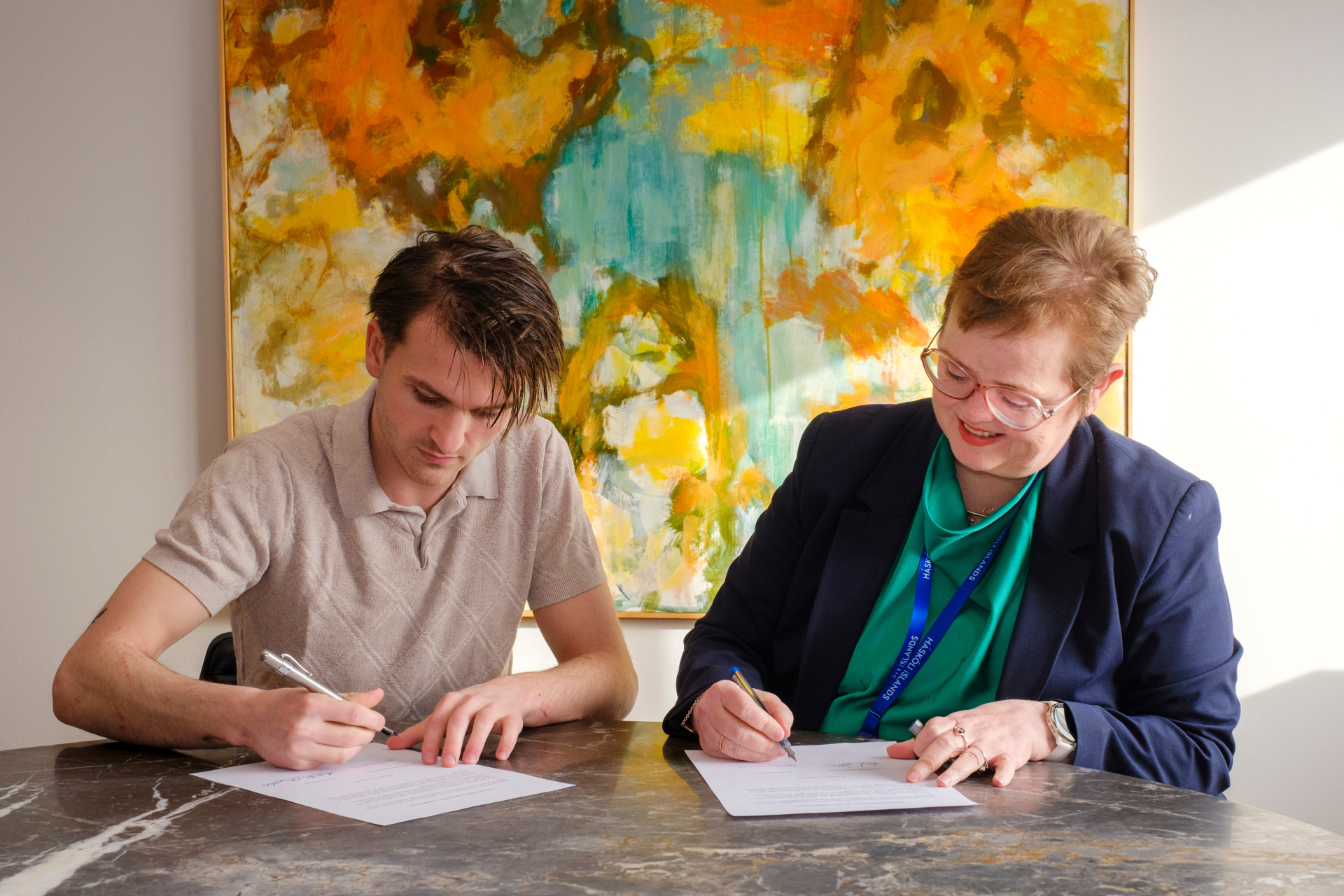
To be fair, that “nice meeting” between SHÍ and the Rector resulted in a “historic pact” – a charter committing the university to work with the student council on 32 specific proposals approved during the current academic year.
The commitments range across learning and teaching (genuine distance learning, better assessment scheduling, nutrition during exams), fees (interest-free registration fee instalments, eliminating duplicate charges), transport (student discount cards, parking fee caps), facilities (longer building hours, power outlets in classrooms, improved printing), student life (free room bookings for student associations, menstrual products, a campus suicide response plan), and equality (fair processes for international students, annual diploma intake for disabled students).
The charter also commits the Rector to lobby government alongside SHÍ on issues beyond the university’s own gift – a notable feature given FS’s statutory services role and the wider political dynamic around student maintenance.
As well as all that, the Fjölskyldunefnd (Family Committee) produces what is essentially a serious policy platform – specific legislative asks on Menntasjóður (child benefit decoupled from academic performance, 10-month parental maintenance loans, interest suspension during childbirth), detailed accessibility demands (changing tables, highchairs, family reading rooms across campus), and a push to abolish compulsory attendance and in-person assessment after 4pm as an equality measure.
The Umhverfis-og samgöngunefnd covers transport lobbying (affordable Strætó passes, night buses, EV charging, bike shelters), waste and recycling education, and retaining the university’s Green Flag accreditation. The Fjármála-og atvinnulífsnefnd runs Career Days with FS and Landsbanki and offers informal financial tips via Instagram.
The Félagslífs-og menningarnefnd sets out a huge events programme – freshers’ tournament, quiz show, inter-university competition day, and stand-up comedy night – all feeding into the flagship Októberfest, a three-day outdoor music festival that drew around 5–6,000 people in 2022 and is staffed through a combination of one dedicated part-time hire, the committee, the SHÍ office, and huge number of volunteers. It is not, as far as we can tell, a lederhosen scenario.
Sixty associations and a science trip
Below the council, student life at the University of Iceland is organised through over 60 subject-based associations – félag – each covering a particular programme or cluster of related subjects.
These are the primary point of social connection for most students. They organise parties, quiz nights, study support, and advocacy at programme level. They also organise the vísindaferð.
The vísindaferð – “science trip” – is one of Iceland’s most characteristic student traditions. A group from a subject association visits a company, organisation, or place of interest, usually on a Friday afternoon. There’s a tour or a presentation, and refreshments that evolve into a social evening in town.
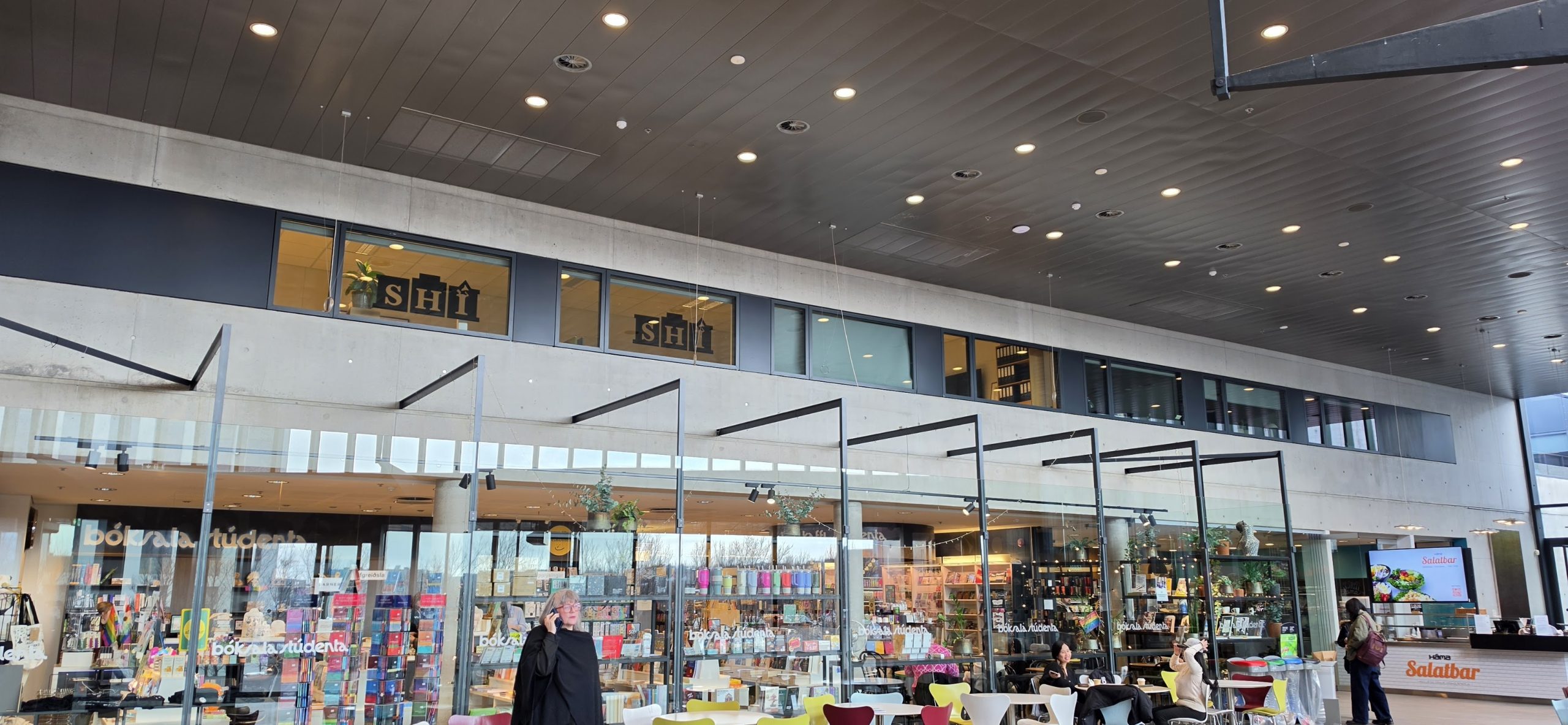
It blends professional networking, intellectual curiosity, and drinking in a way that reflects the informality and small scale of Icelandic society – in a country of 395,000 people, the organisation you’re visiting may well employ someone you know.
UK SUs tend to keep careers services, academic societies, and social programming in separate organisational silos. The vísindaferð just puts them all in a room on a Friday and adds snacks.
The layered structure – subject associations feeding into school councils feeding into the central council feeding into the national union – is characteristic of Nordic student representation. But the small scale of Iceland means the layers are far less bureaucratic than in larger systems.
Everyone knows everyone. The president of SHÍ probably went to school with half the people on the university’s governing council. The harbourmaster harbours no doubt.

The quiet stuff
Between the political drama and the traditions, SHÍ also does a lot of things that would be unremarkable in a UK SU but are worth noting because of how they’re done.
In late 2025 the council relaunched a digital student ID that sits directly in a phone’s digital wallet – no separate app, no physical card. It published a housing market report documenting the challenges students face in the rental market. And when the university introduced parking charges, student representatives voted against and demanded a European-style universal transit pass for students as a prerequisite.
There are also two student choirs – one mixed, one women-only, founded in 1972 – a dance group offering everything from salsa to swing, and outdoor activity groups that take advantage of Iceland’s landscapes for hiking, skiing, and excursions to waterfalls, glaciers, and geothermal areas.
Unlike some of the other countries we’ve been to, Iceland has no tradition of student initiation rituals – the small scale of the institutions and the mature age profile of the student body seem to produce something informal and egalitarian without anyone having to write a policy about it.
Lunch now, then a startup accelerator to visit next door, and someone’s mentioned something about a geothermal beach. More later.


