Universities are responding magnificently to Covid-19
Alistair Jarvis celebrates the work of universities across the UK to beat Covid-19.
This article is more than 6 years old
Comment|
Alistair Jarvis is chief executive of Advance HE
At a time of national crisis, universities are stepping up to play a major role in responding to the significant challenges caused by the coronavirus outbreak.
Up and down the country, stories are emerging of universities, their staff and students offering their expertise, their time and their resources to support the national effort and their communities.
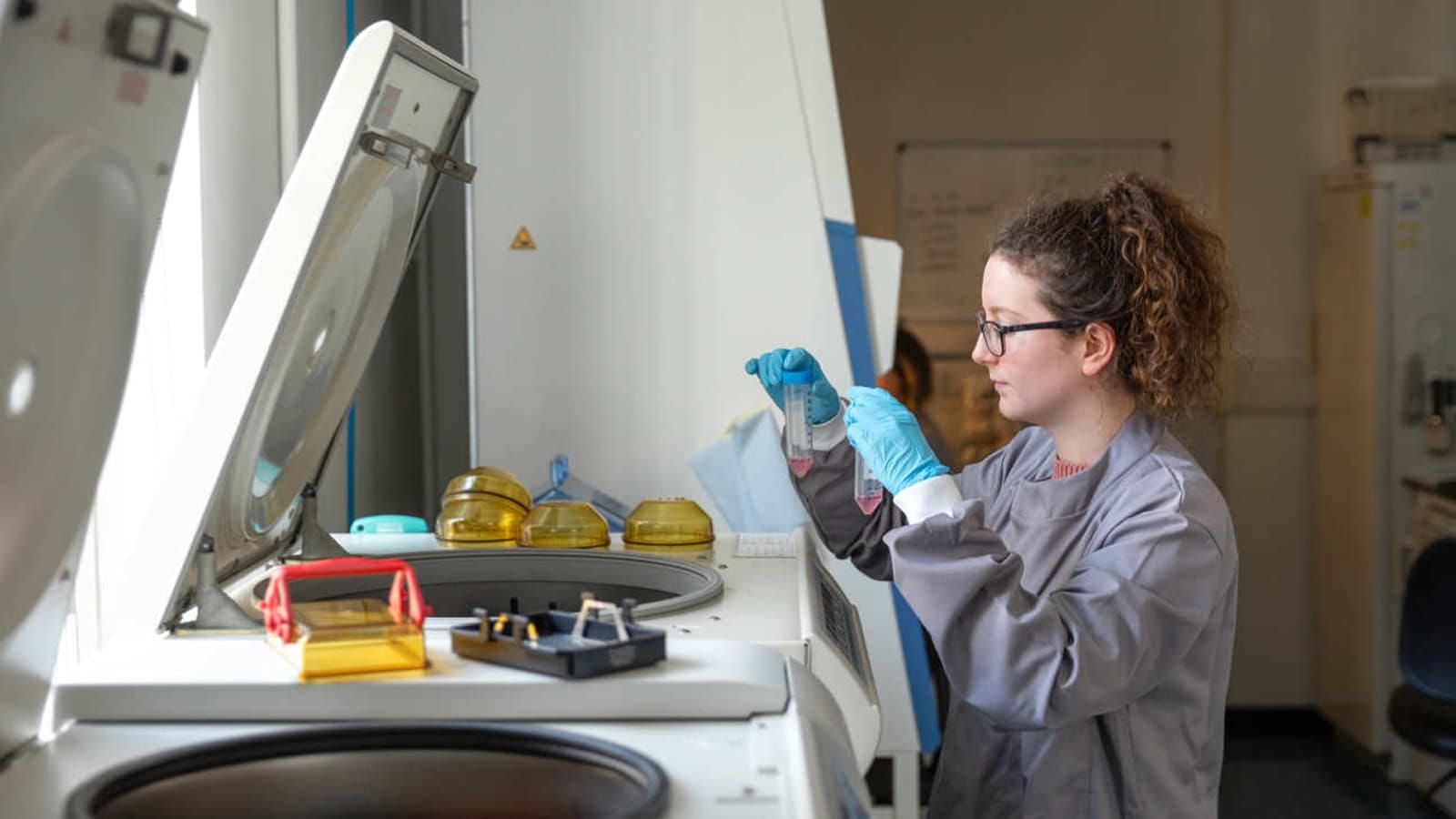
Examples include the two universities in Nottingham supplying 16 Covid-19 testing machines, worth £1 million, which can carry out 20,000 tests a day, to increase the nation’s testing capacity. The University of Northampton is opening up two halls of residence to the local hospital for the relocation of patients with less demanding care needs, and technicians from the University of Birmingham are producing urgently needed hand sanitiser for the city’s social care workers.
Universities are continuing their life-saving research, where it is safe to do so. Their resources are increasingly focused on understanding the spread of coronavirus and how to stop it. The race is on to find a vaccine, with UK universities working tirelessly to develop and test one.
The practical skills and expertise of university staff and students are bolstering public services at a time of unprecedented demand. Registration of final year medical, nursing and other healthcare students is being accelerated so they can join, if they choose to, the health services earlier than planned, to provide much needed additional resource. These students want to help where they can.
Adjusting and adapting
The next months will be very different for universities. The wellbeing of staff, students and our wider communities is the priority and universities are promoting the importance of staying at home and reducing contact with others. The flexibility and commitment of university staff in rapidly transitioning to remote working has been impressive. This commitment has enabled universities to switch to online teaching and assessments ensuring many hundreds of thousands of students can continue their education.
Home working is taking place, where possible, although a skeleton staffing presence is needed to maintain essential services – vital research, core functions and crucially to provide support for students who remain living on campuses.
Some students simply have nowhere else to go – the halls of residence are their homes – and many international students are thousands of miles from their families, unable to return because of the travel restrictions in place. Institutions are closely following and communicating public health advice, ensuring those students have the support they need and helping students falling ill or needing to self-isolate.
In this unprecedented global crisis, all of us are feeling more anxious about the world around us. Counselling is therefore being made available to the students and staff to support those understandably worried about the impact of the virus on their families, studies and future careers.
Universities are increasing the financial support available to students impacted by this. For example, Goldsmiths, the University of London, has fast-tracked applications to its student hardship fund to provide financial help to those students wanting to return home, but unable to afford to do so.
The national picture
At a national level, Universities UK is coordinating sector-wide efforts to respond to the myriad of current challenges including workstreams focused on staff and student health and welfare, immigration requirements, admissions issues and the longer-term impact of the global crisis on the financial sustainability of UK universities.
Universities UK is in close contact with Gavin Williamson, the Education Secretary, Michelle Donelan, the Universities Minister, Amanda Solloway, the Science Minister, and officials across many government departments – Treasury, Health, the Foreign and Commonwealth Office and others – as we collectively seek solutions and mitigations to the many challenges we face.
We are working closely with DfE, UCAS, Ofqual and the Office for Students following the government’s decision to cancel summer exams and the implications for this year’s admissions process. Similar conversations are taking place with colleagues in Universities Scotland and Universities Wales with the devolved administrations.
We could be facing months of disruption, which could have serious repercussions on our way of life and our universities. This will be a testing time for all of us, but I don’t doubt the spirit and resilience of university staff and students to get through this, and to help others in their hour of need.
Comments
New comments will come back with sign-in later this year.
Related articles

How equitable are university admissions policies?
Emma Humphries | Comment | 15/10/26

Science and university research can’t deliver economic growth – at least not as we measure it
Don Webber | Comment | 15/10/26

The civic university agenda has a geography problem
David Clelland | Comment | 14/10/26

Universities are overlooking their established researchers
Steve Joy | Comment | 14/10/26

Educational needs are a higher education issue
David Kernohan | Comment | 14/10/26

Student transition into university shouldn’t be a handover
Katharina De Vita | Comment | 13/10/26