Passion, procedure and puppy rooms on the NUS National Conference agenda
Ahead of the NUS National Conference 2018 in Glasgow, Mark Leach runs down the key debates and elections to watch out.
This article is more than 8 years old
Policy Watch|

Mark is founder and Editor in Chief of Wonkhe
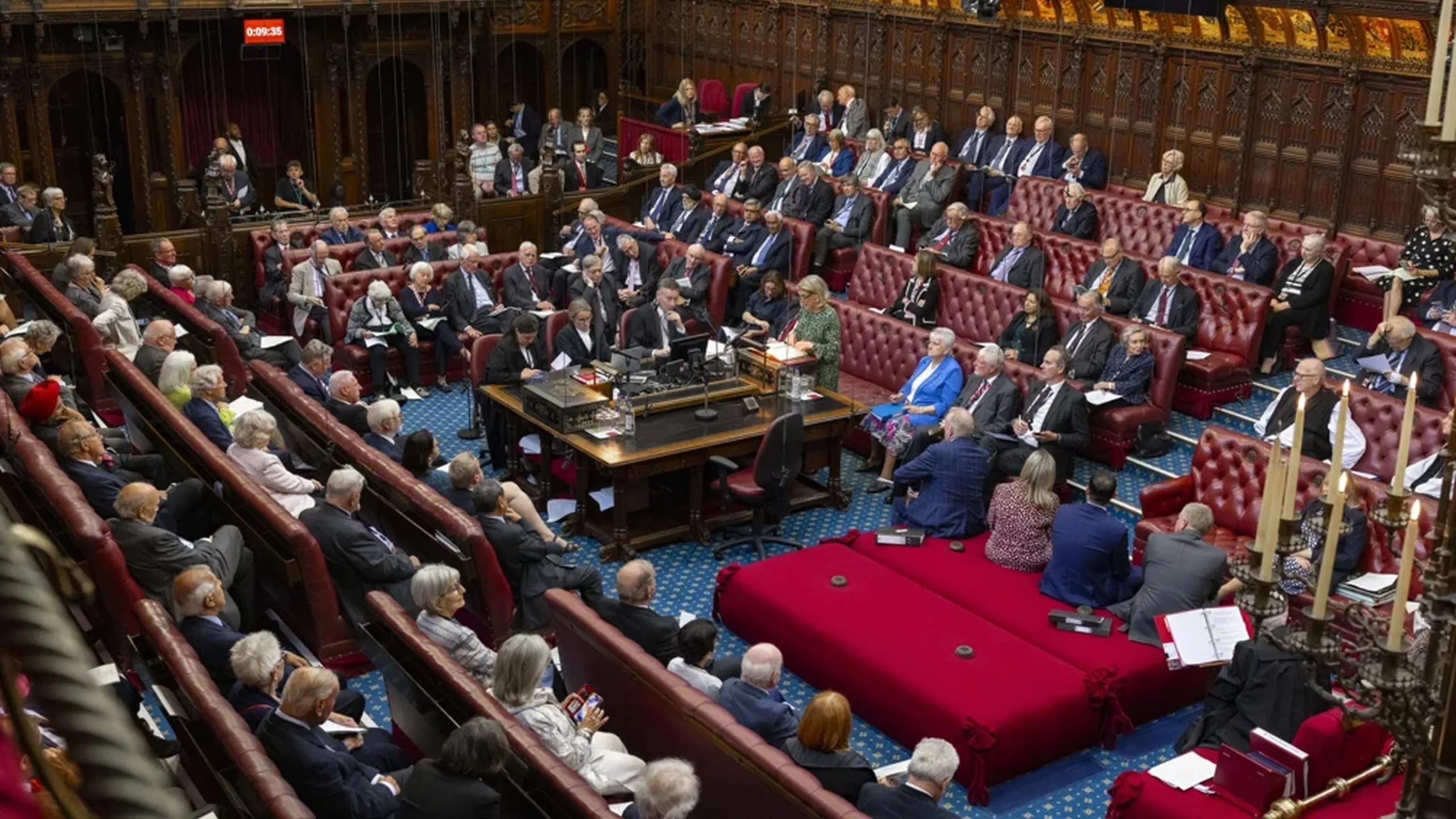
On Tuesday just under 1,000 delegates will gather in Glasgow for NUS’ National Conference. This has been a year where students have rarely been out of the news – yet reflections on snowflakes, fees, vice chancellor pay and the Office for Students are likely to feel like curiously English concerns in Glasgow.
Behind the scenes, there’s no particular unionist agenda around the choice of venue, but the increasingly divergent paths that tertiary education systems and wider politics are taking will be at the forefront of minds as the usual mix of politics and procedure plays out.
Election season
As ever, the election of NUS’ president will dominate the agenda. Incumbent Shakira Martin is up for re-election – and while unlike last year there’s not an overtly right-wing challenger, there are attempts from different parts of the student left to unseat her – in the form of Momin Saqib, the first non-European international student to be elected as president at King’s, and Sahaya James, a socialist and activist involved in the National Campaign Against Fees and Cuts.
Outside of the usual factional clichés each of the manifestos contains interesting ideas – James calls for rent strikes to tackle the soaring cost of accommodation, Saqib demands tools to allow students to assess value for money, while Martin promises a national student rights framework “on everything from academic appeals to eduroam”.
Election speeches – which can be viewed live on YouTube from 10.45am on Wednesday morning – are always a highlight, with the result expected by Midday.
Also up for re-election are NUS’ vice presidents for both further and higher education, Emily Chapman and Amatey Doku – but while elections will take up most of the time, it is often unopposed policy debates that contain some of the more interesting ideas at NUS.
The main debates
The first formal motion to be discussed will be that chosen as a priority by the NUS leadership – and it’s an attempt to set the agenda around the review of post-18 education funding. “101: Student Poverty” contains both stark statistics and interesting policy prescriptions on the maintenance side – a “living income” for students looks set to emerge as the centrepiece of the Poverty Commission that NUS prioritised this year ahead of the usual national demonstration, and there are angles like Sharia-compliant student finance (led on by Willetts but never implemented) and the timing of student loan payments on the table.
A set piece vote on whether the “parental contribution”, measured for student loan entitlement should be “means tested”, will signal NUS’ preparedness for pragmatism in the review ahead.
In the education zone resolutions will likely pass on the black attainment gap, Brexit and hidden costs like graduation fees and art materials. A proposal from Manchester Metropolitan attempts to shift the debate on teaching quality from the outputs back to the inputs – calling for compulsory minimum teaching qualifications and work on personal tutors and teaching assistants. There are also ideas on everything from university governance to name-blind admissions.
But thanks to the way delegates prioritise the order of discussions, the conference is unlikely to debate the National Student Survey or OfS – with competing positions on good and embrace versus evil and boycott left likely to linger for another year amongst the wider membership.
From puppy rooms to free speech
For the third year running mental health has again dominated the students’ union elections season and it again dominates the welfare part of the agenda, with both the sector and the government coming in for criticism over positive talk but a lack of action.
Proposals are generally pragmatic and positive – there are ideas about training schemes, student-led wellbeing projects and diversity conscious approaches that are as collaborative and innovative as we might find anywhere in the sector. And both fans and fervent critics of the “pets as therapy” approach, signalled by puppy rooms sweeping university campuses across the exam season, will be pleased to learn that the issue will be the source of a set piece debate in the welfare zone on Wednesday.
The union development section is often a dumping ground for the surreal – in previous years it’s discussed everything from a national student lottery to a strategy on “e-sports” (Keep Wednesday afternoons free for… computer games), but this year will host what looks set to be a spirited debate on freedom of speech. Goldsmiths will set out the status quo, defending no platform policies and attacking Prevent, while King’s College will advocate the Spiked!/government line, that all views within the law should be debatable, calling on “all students’ unions to drop their safe space and no-platform policies”.
It would be unwise to bet against the status quo prevailing, but equivalent debates over the years have been closer than the NUS establishment likes to admit.
Back in 1969 Jack Straw successfully broadened NUS’ constitution to enable the national union to intervene on wider political issues, and while some have mocked NUS’ single-use plastics “Last Straw” campaign this year, it at least rides a zeitgeist that has united NUS, Sky News and the Daily Mail behind a common cause.
Under what NUS calls “society and citizenship”, delegates will also debate Grenfell, the gig economy and NUS’ continued support for UCU strikes. Few expect that motion to fall, but NUS may find itself under pressure from students and students’ unions if the industrial action starts to bite into exam period after Easter.
Passion and procedure
NUS national conference remains a curious fixture. Those watching proceedings on YouTube will find plenty of material to confirm the suspicion that NUS has an inherently left-wing bias. But away from the inevitable, the skills on display from students from across the UK – being able to deliver a passionate, heartfelt speech to 1,000 people on the complexities of the TEF in 45 seconds on no sleep – is always a remarkable thing to watch.
Wonkhe readers brave enough to follow the proceedings for the first time may marvel at the modernity of the HD quality coverage while watching an event whose style and naked democratic conflict are often more akin to Labour Party Conferences of the 70s and 80s.
This curious mixture of process-tradition and content-radicalism is in many ways no different to the average culture in most universities, save that for all its faults we should not forget just how ahead of its time NUS can be on leadership issues.
The press will doubtless pick up on jazz hands and exhortations to use neutral gender pronouns, but there are very few organisations in the UK where the leading candidates for the leadership positions are more often than not BaME, women, disabled and or LGBT+; and fewer still where that will feel entirely normal to participants at the conference.
As ever while students have much to learn, there is much that the sector and wider society can learn from the organised expression of students.