

Spend it, save it or take a holiday
Jim is an Associate Editor (SUs) at Wonkhe
Tags
Riffing off some work carried out by the Conservatives’ policy supremo Neil O Brien, it reveals that the majority went to EU citizens, with one in 20 of all first-time student loans going to Romanians alone.
It’s framed as an immigration story, but immigration status only creates a pool of people who might be eligible.
It doesn’t design two-day timetables, waive entry requirements, advertise maintenance entitlements, pay an agent per enrolment or confirm attendance to SLC.
If we want to understand how a cohort with that profile gets assembled, the recruitment material is a better guide than the Home Office statistics.
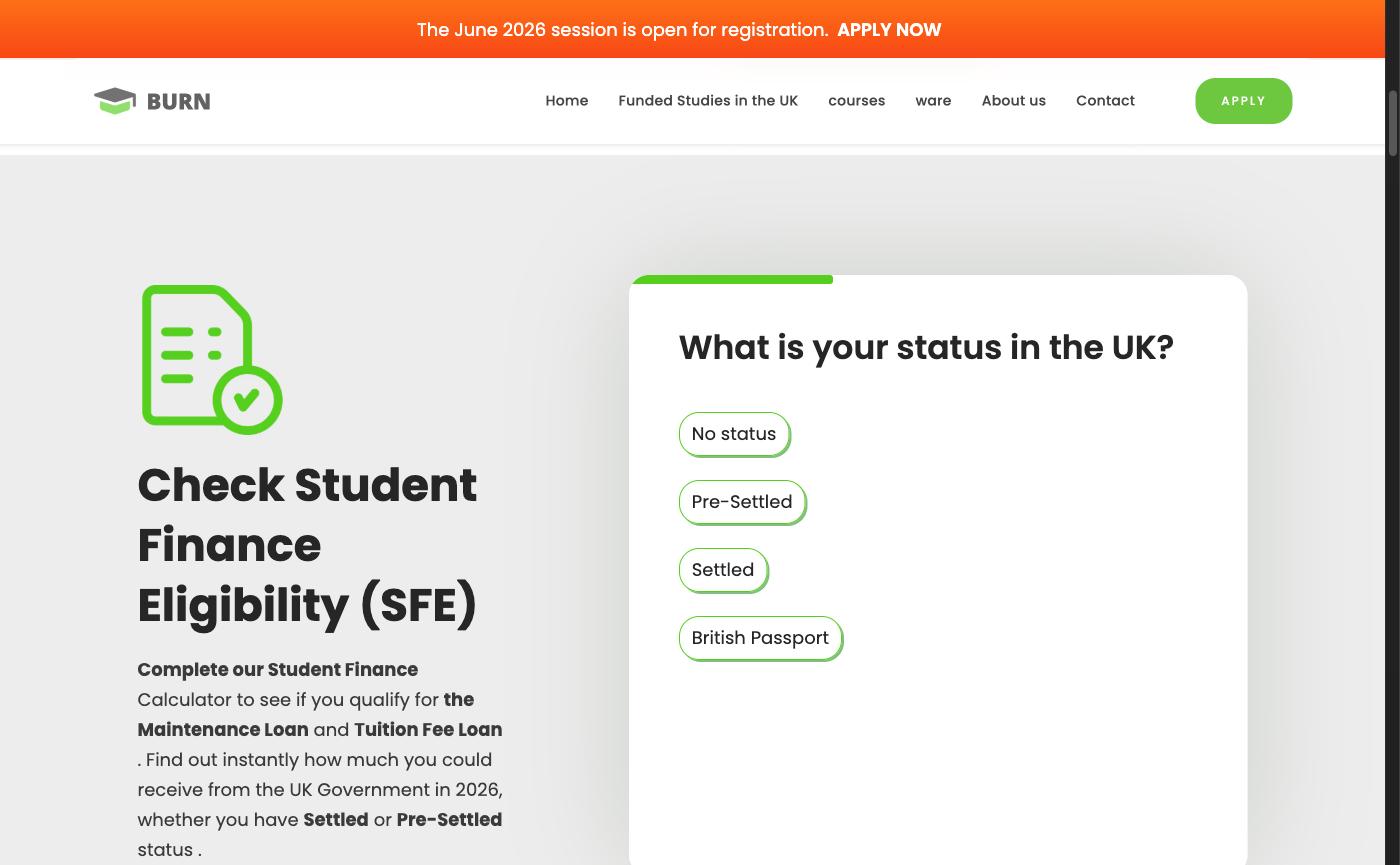
It isn’t hidden. One Romanian-facing agency runs a “check your Student Finance eligibility” calculator that asks your age, then your immigration status – no status, pre-settled, settled, British passport – then whether you or your spouse are working, then whether you’ll study in London, Birmingham, Leeds or Manchester. Four clicks later it congratulates you.
(Much of what follows has been google-translated)
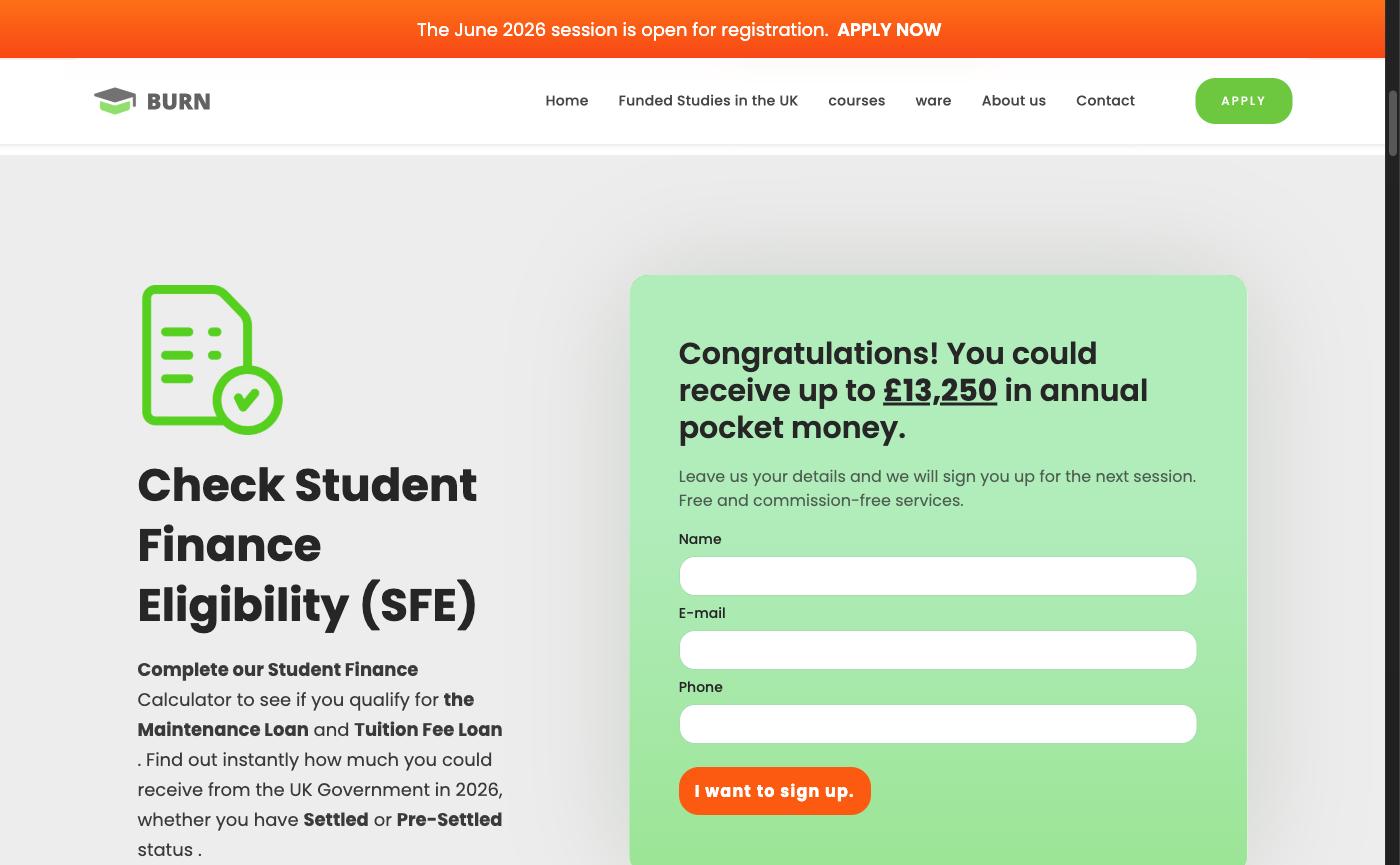
Pocket money – bani de buzunar – is this sector’s own term, not mine.
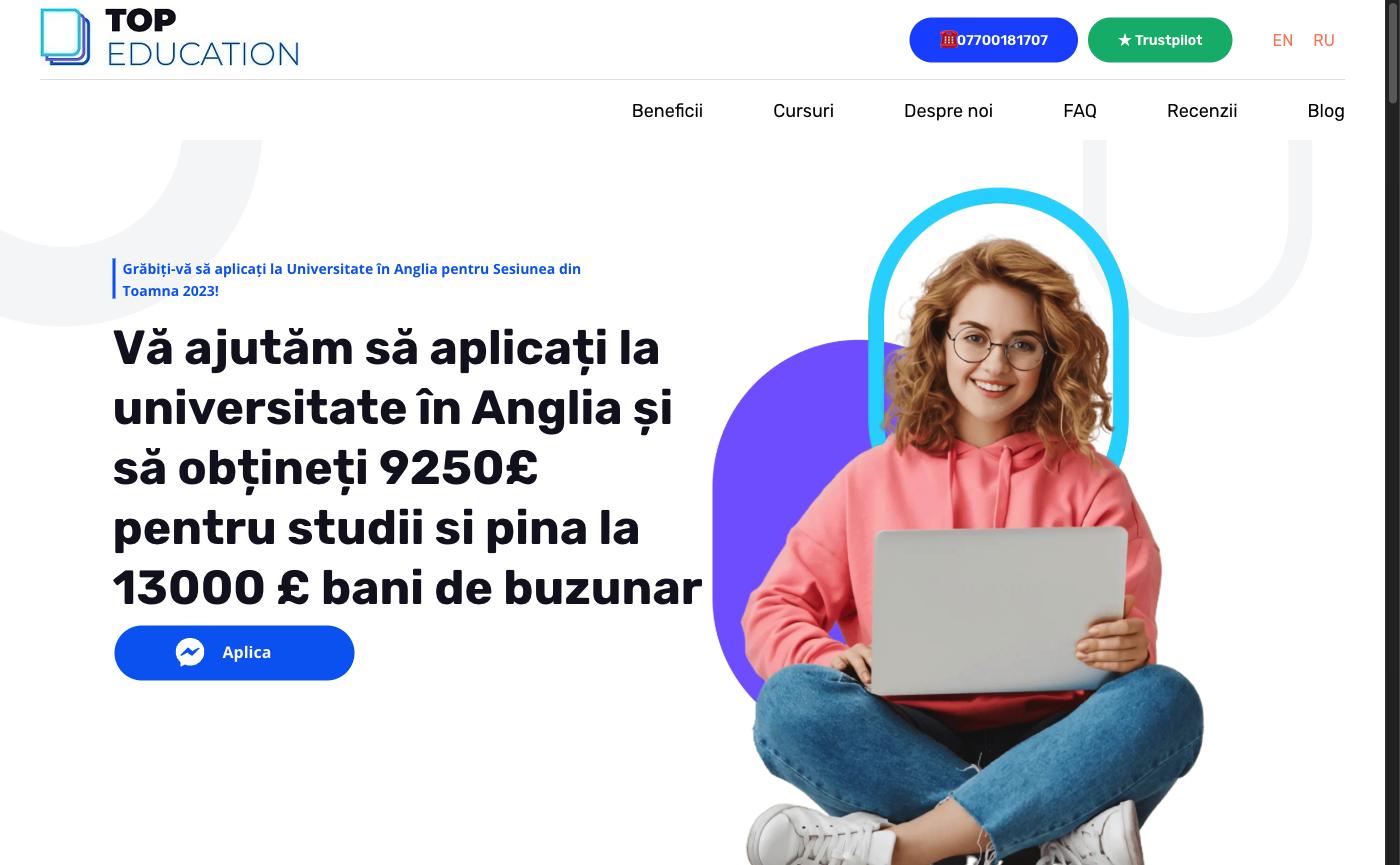
Another agency leads with “£9,250 for studies and up to £13,000 pocket money”, and ends its account of the process: “half a month after applying, you will receive the money in your bank account”.
Its list of the advantages of a degree runs, in order – the money, a £2,000 grant if you have a child, 30 per cent off an Oyster card, a globally recognised diploma, discounts at Apple, Netflix and Amazon, and eventually, a better chance of a well-paid job.
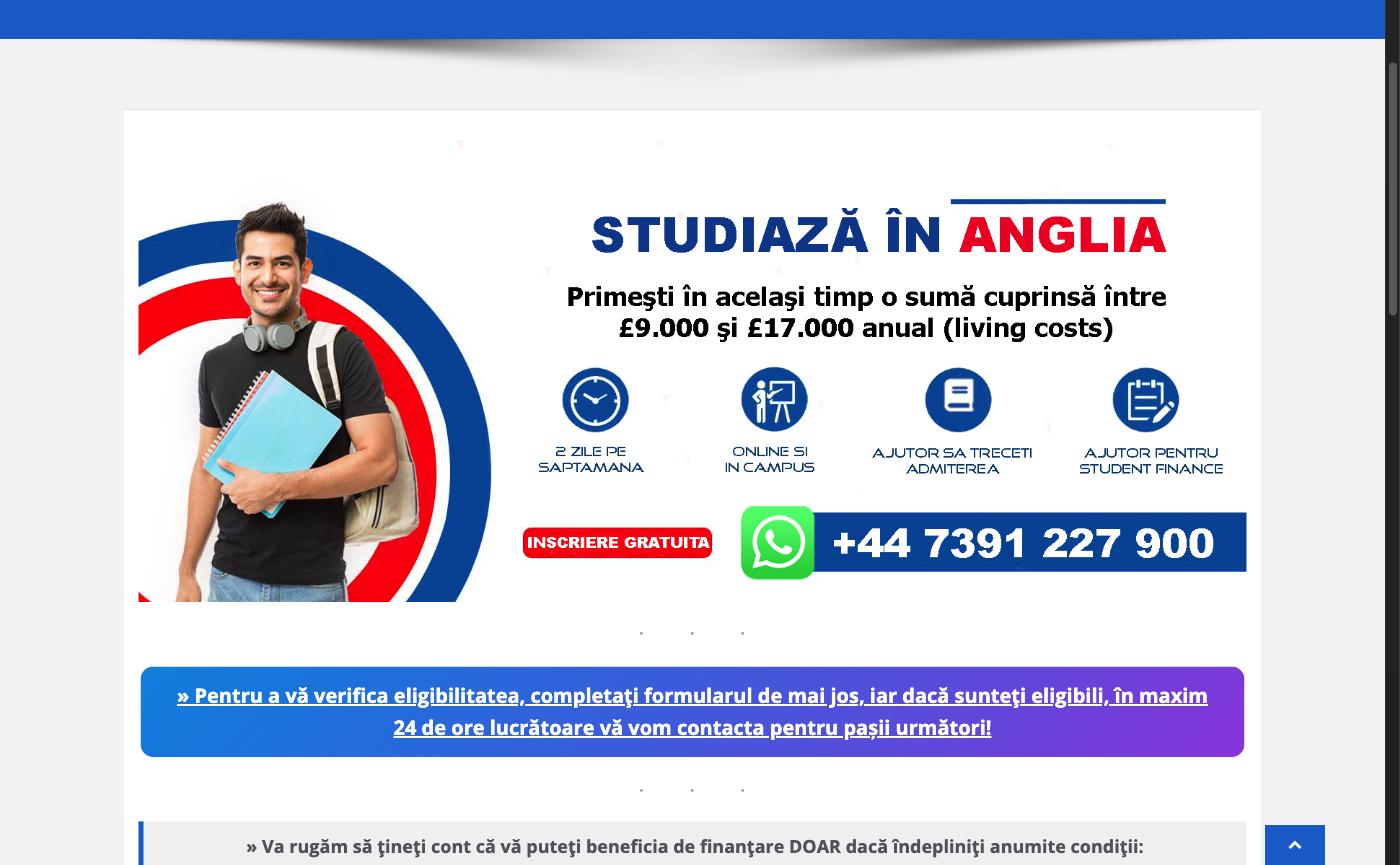
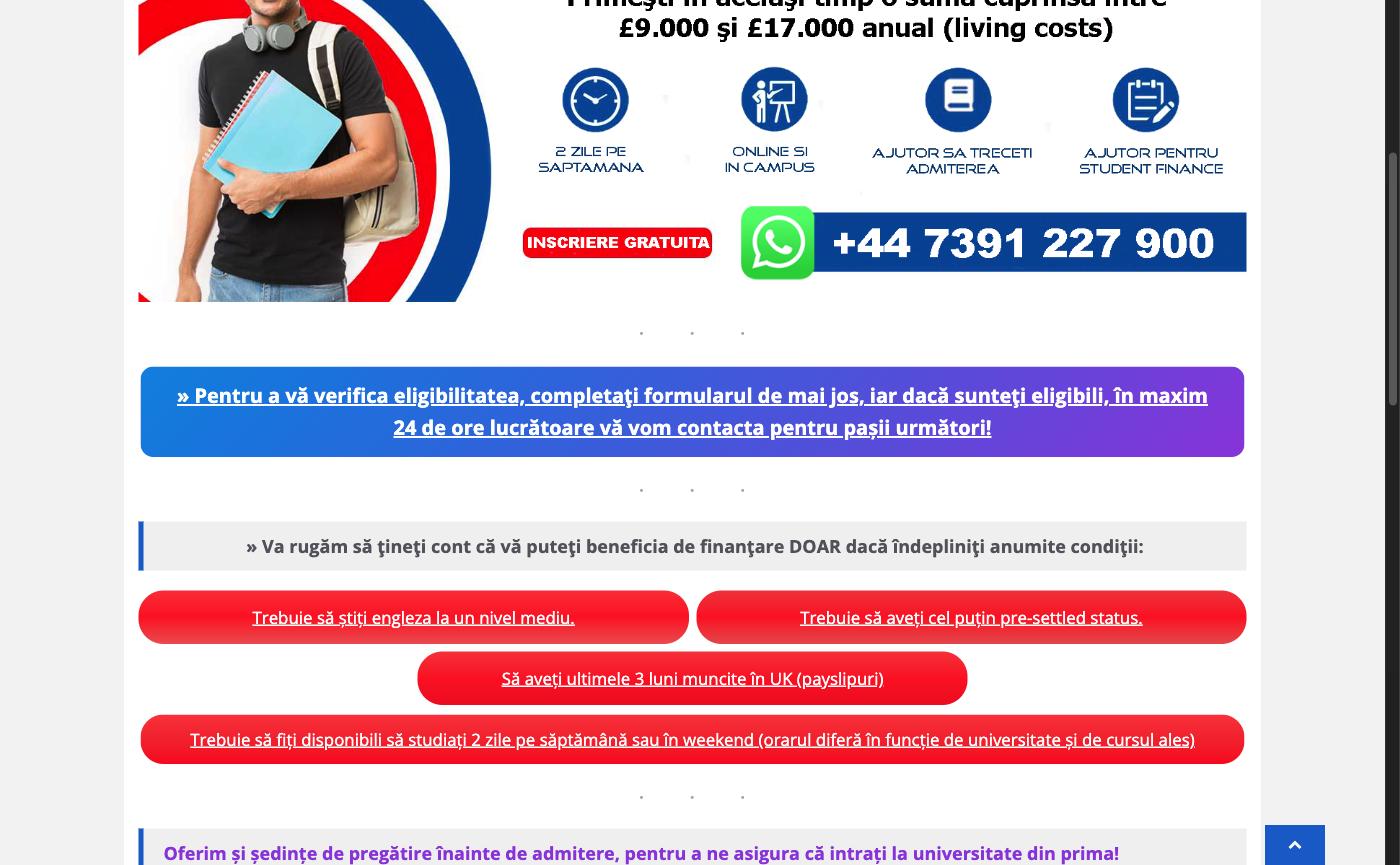
A third publishes its qualifying criteria as a bullet list, and the bullet list is the business model – intermediate English, at least pre-settled status, the last three months worked in the UK evidenced by payslips, and availability to study two days a week or at weekends.
The banner above promises “between £9,000 and £17,000 a year (living costs)”.
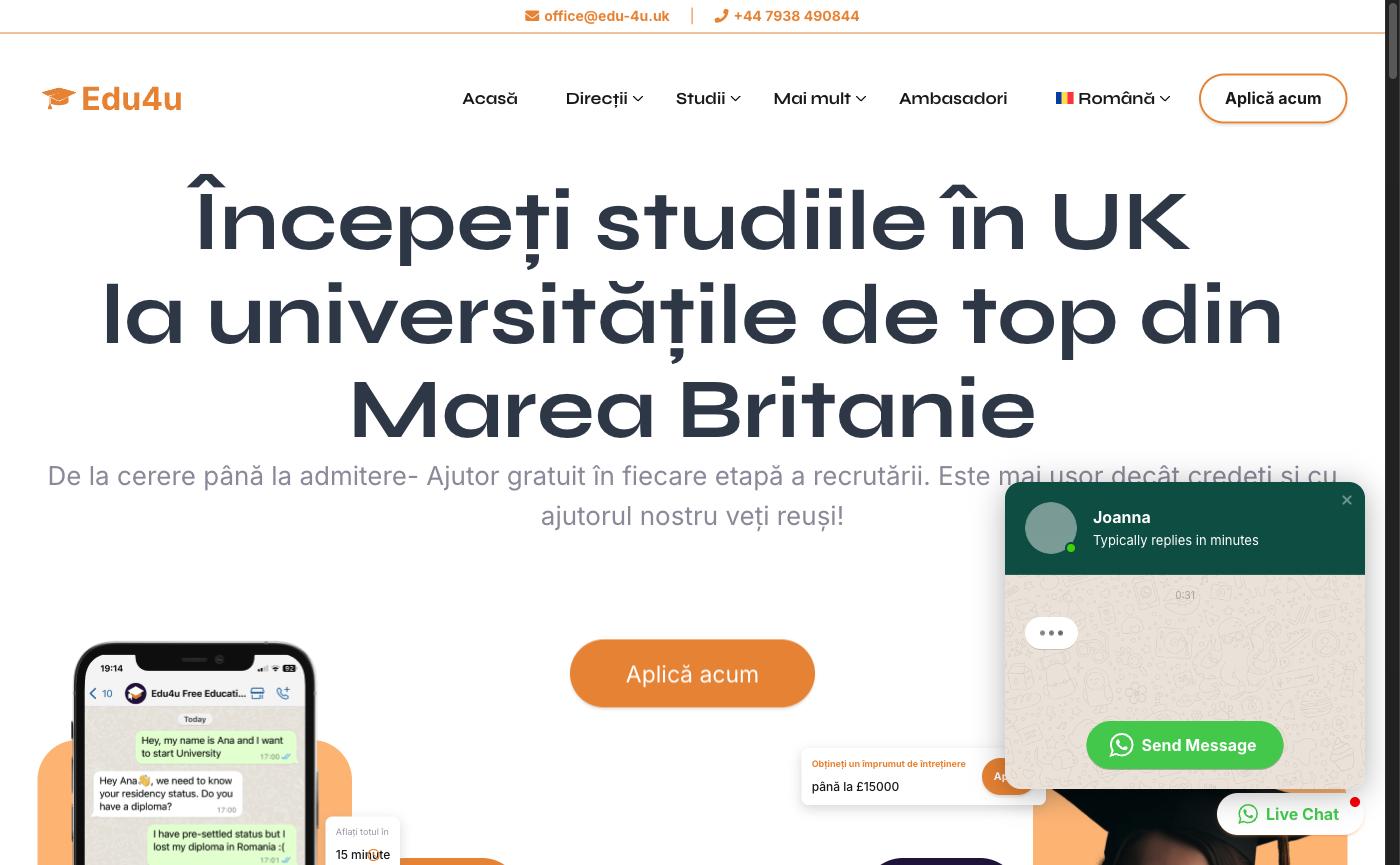
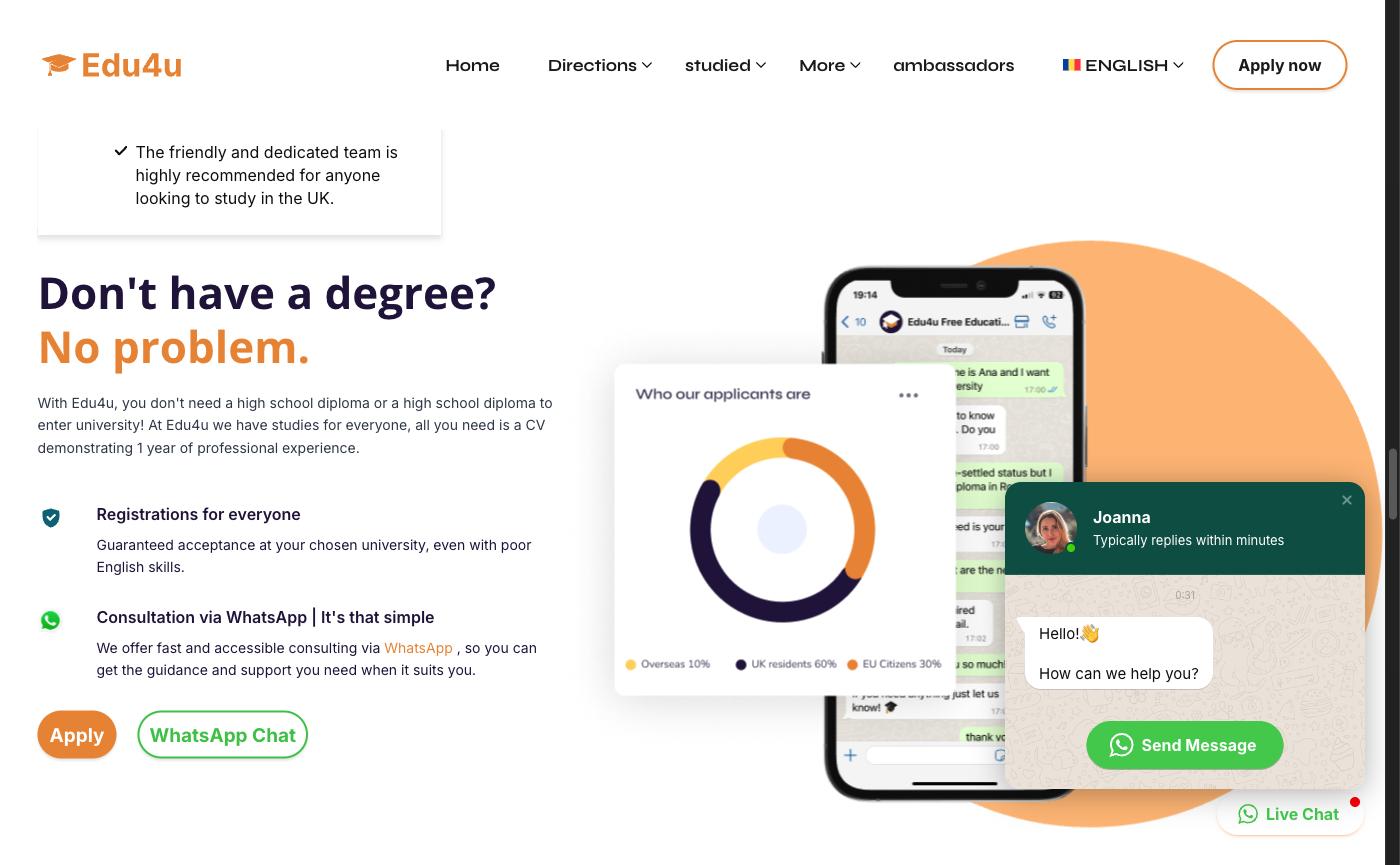
Low academic barriers are the second half of the pitch. One agency leads with a maintenance loan of up to £15,000 a year, hybrid study two days a week and a 97.5 per cent success rate, followed by “Don’t have a degree? No problem” and “Guaranteed acceptance at your chosen university, even with poor English skills”.
Its FAQ says it is worth trying even if your English is A2, because “we know how to get you accepted”.
The classified-ad version strips away the institutional furniture. One advertiser offered up to £14,500 for maintenance and £9,000 for tuition, two days a week or two evenings plus Saturday, admission with or without the Romanian Bac, and free registration.
The same telephone number and email address were used, on the same classifieds site, to advertise assignments for UK university students across IT, business, healthcare, tourism, engineering and construction – essays, reports and dissertations, revisions after tutor feedback, and a Turnitin check.
The same contact could recruit somebody into higher education and then sell them the assessed work needed to remain there. The first advert was still running in spring 2026.
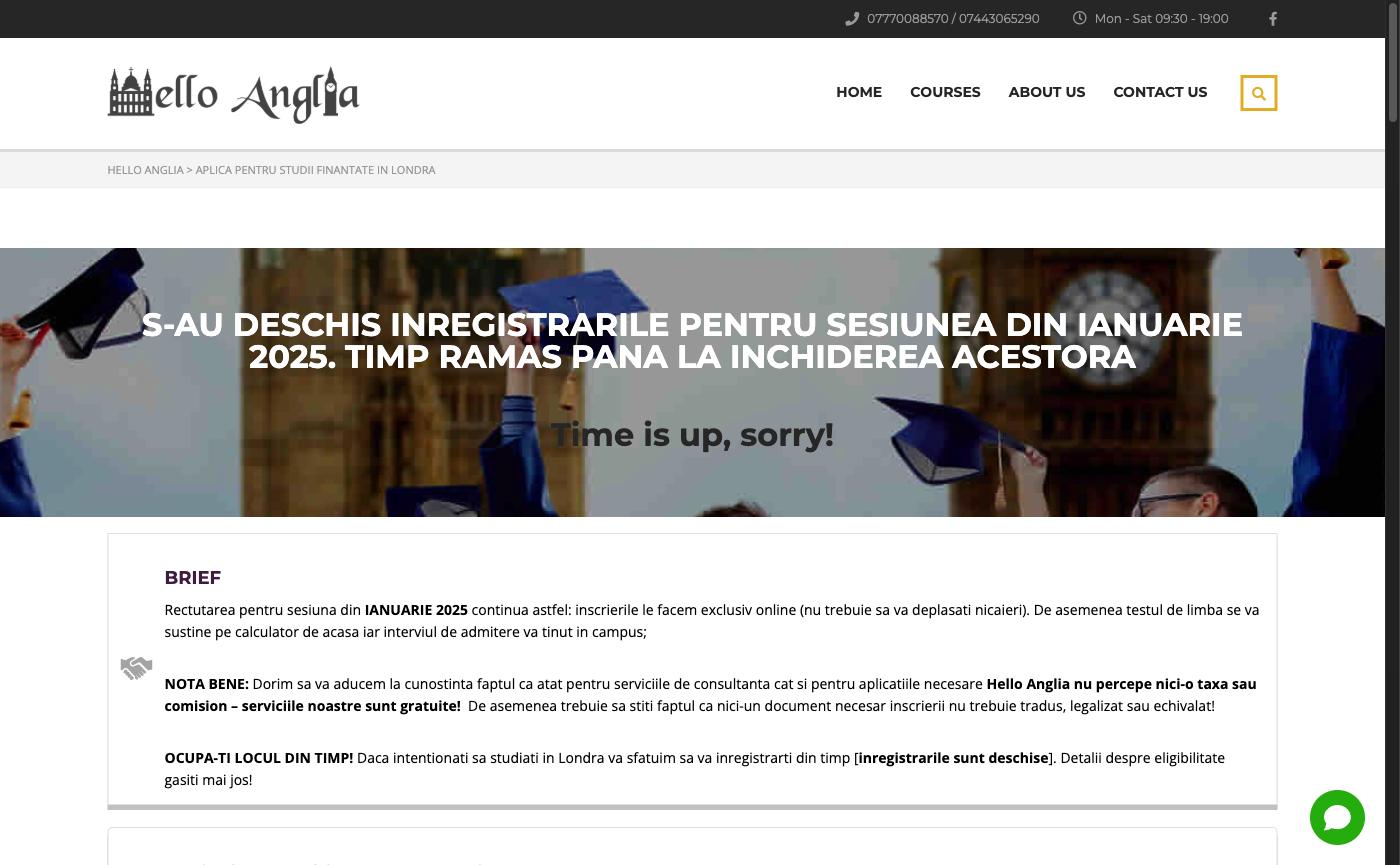
Scarcity does the rest. One London agency’s finance page sits beneath a countdown clock headed “time remaining until registrations close” – a flash-sale device rather than anything a university admissions cycle would recognise.
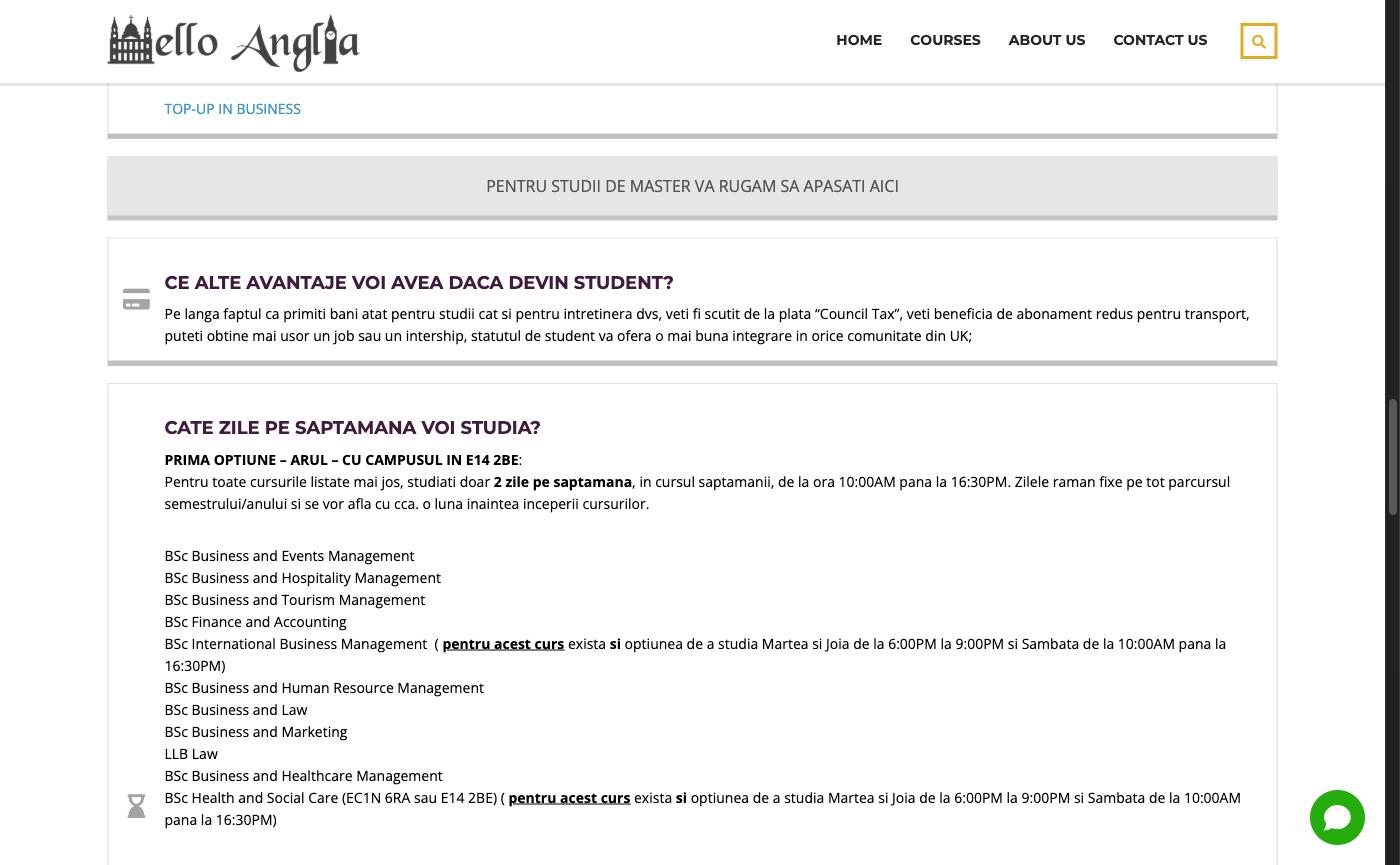
It quotes £13,000 to £19,000 a year, tells applicants without the Romanian Bac that a ten or twelve class school certificate plus transcript will do, and then describes the provision: two days a week, 10:00 to 16:30, at “ARUL” and “UCLan”, plus a “UONL” option of one day on campus and one online.
E14 2BE is the Import Building at Republic in East India, where Anglia Ruskin, what used to be called the University of Central Lancashire, the University of the West of Scotland and the University of Northampton all run their London operations out of the same block. Northampton’s arrangement with UONL has since been terminated, with teach-out running to 2027.
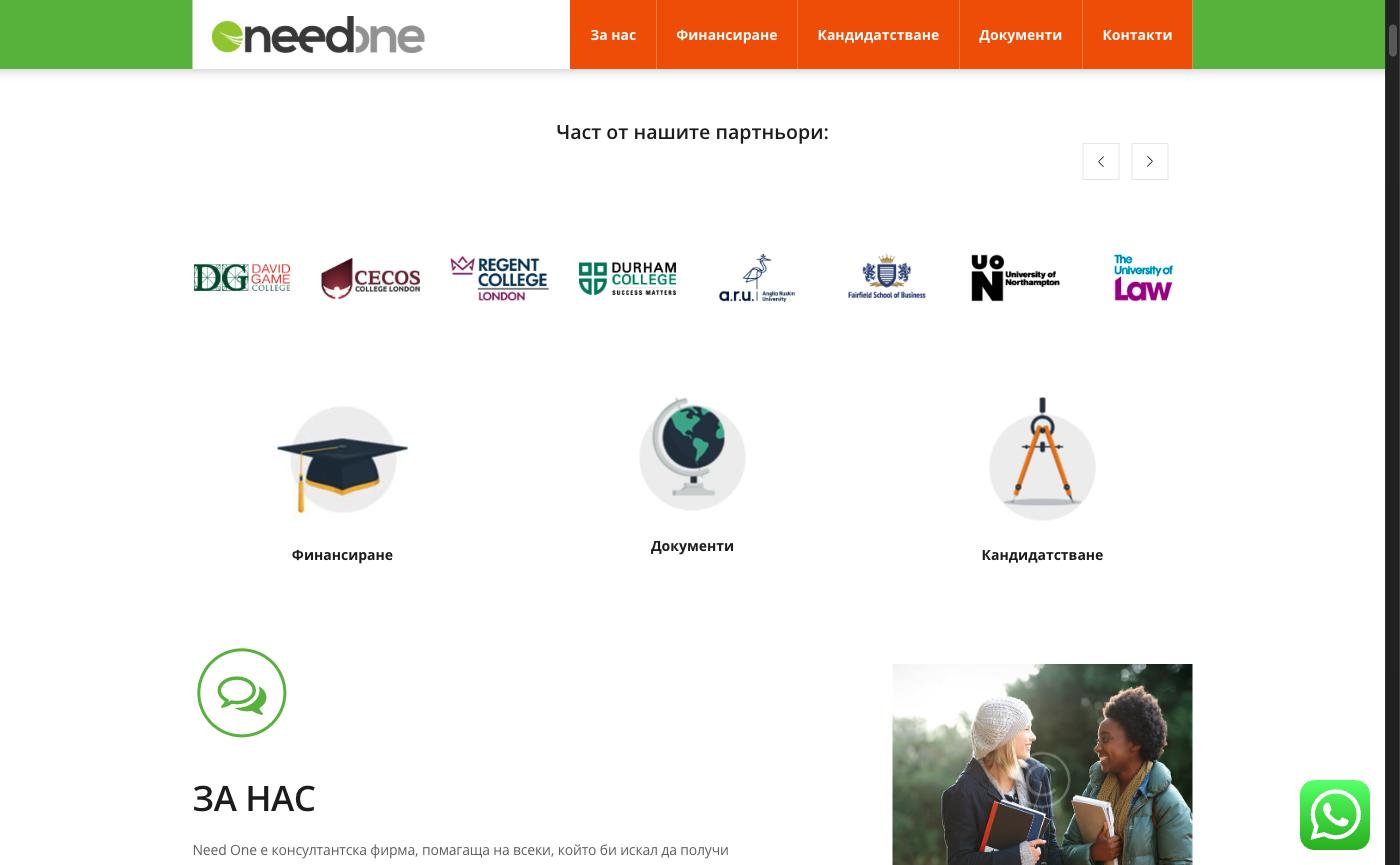
And it isn’t only a Romanian story. A Whitechapel operation advertising that “free education in England is possible” delivers in Bulgarian, Romanian, Russian, Lithuanian, Italian, Turkish and English, offers £9,250 for tuition and up to £13,100 for personal needs, and lists timetables as three or four days, two days, two evenings, three or four evenings, “2 evenings + Saturday”, or “Saturday and Sunday” – noting, without evident shame, that full-time study in England is organised as “twelve taught hours a week” without mentioning independent study.
The only obligation attached to the money, in bold: “it is important that you maintain a minimum of 80 per cent attendance”. Its partner strip names David Game College, CECOS, Regent College London, Durham College, Anglia Ruskin, Fairfield School of Business, the University of Northampton and the University of Law.
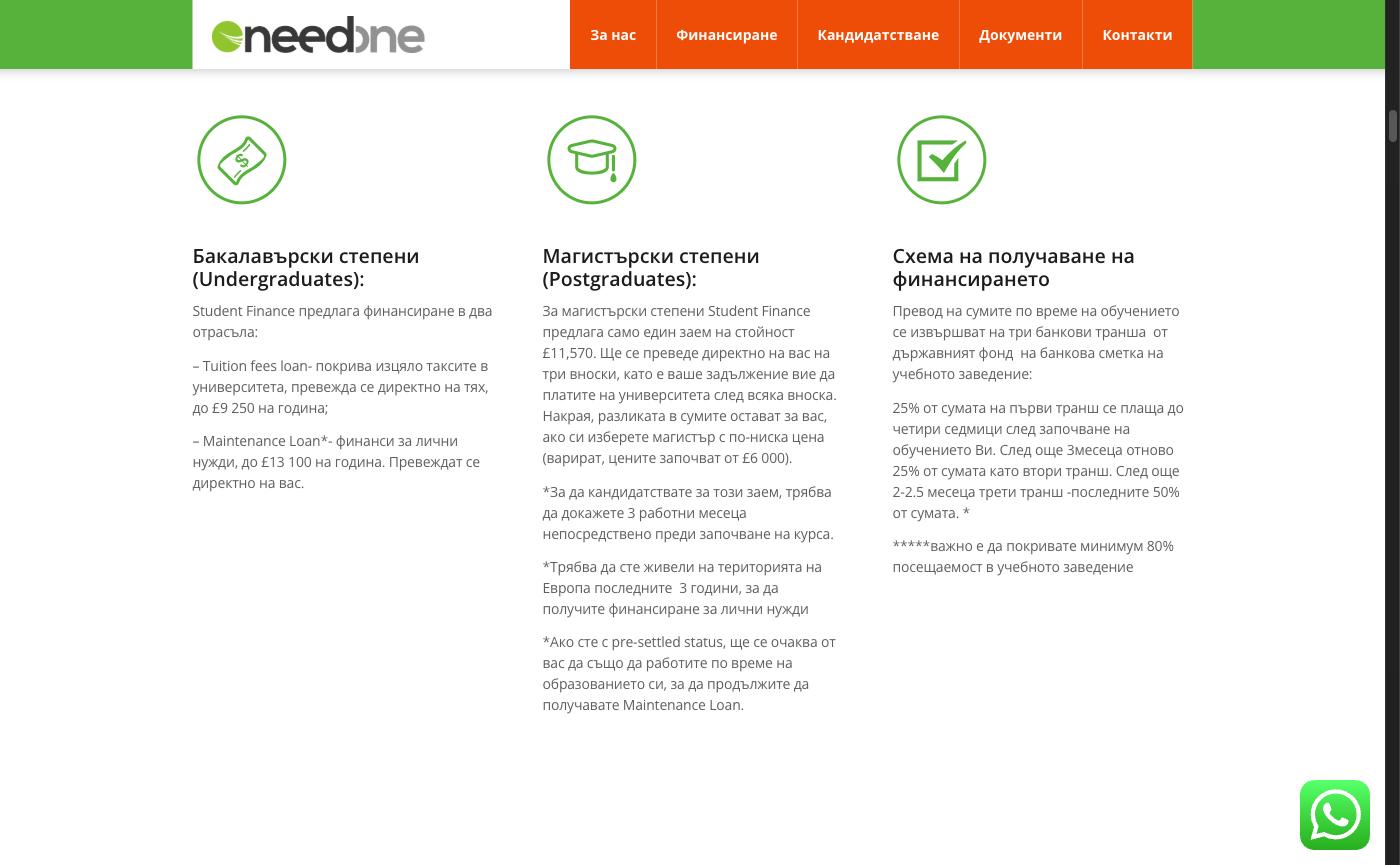
The same page does the postgraduate maths for you. Student Finance pays £11,570 into your own account in three instalments, and it is your job to pay the university out of it after each one. So:
At the end, the difference in the amounts stays with you if you choose a master’s with a lower price (they vary, prices start from £6,000).
That is a margin, calculated, published on a recruitment site, and offered as a reason to enrol.
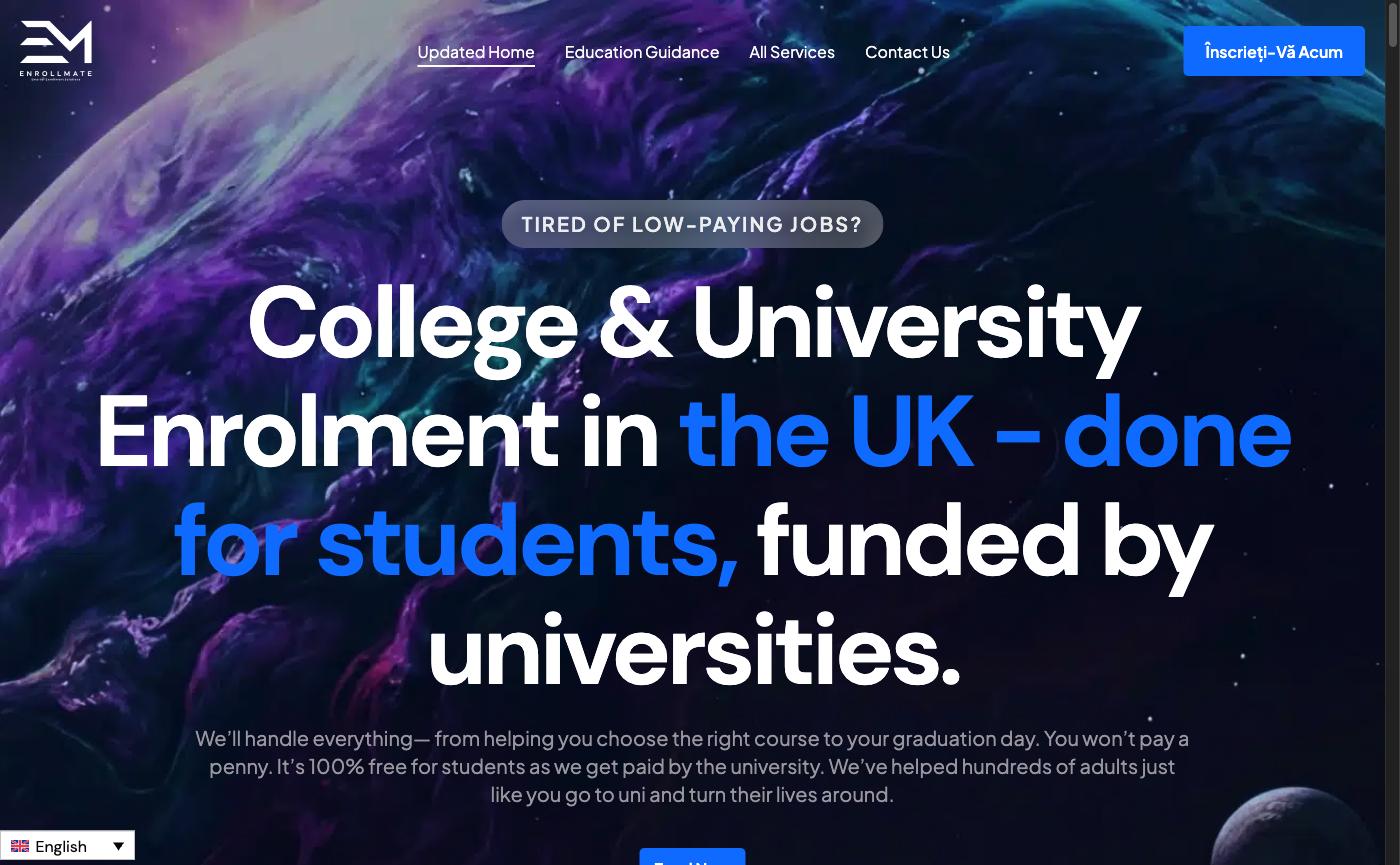
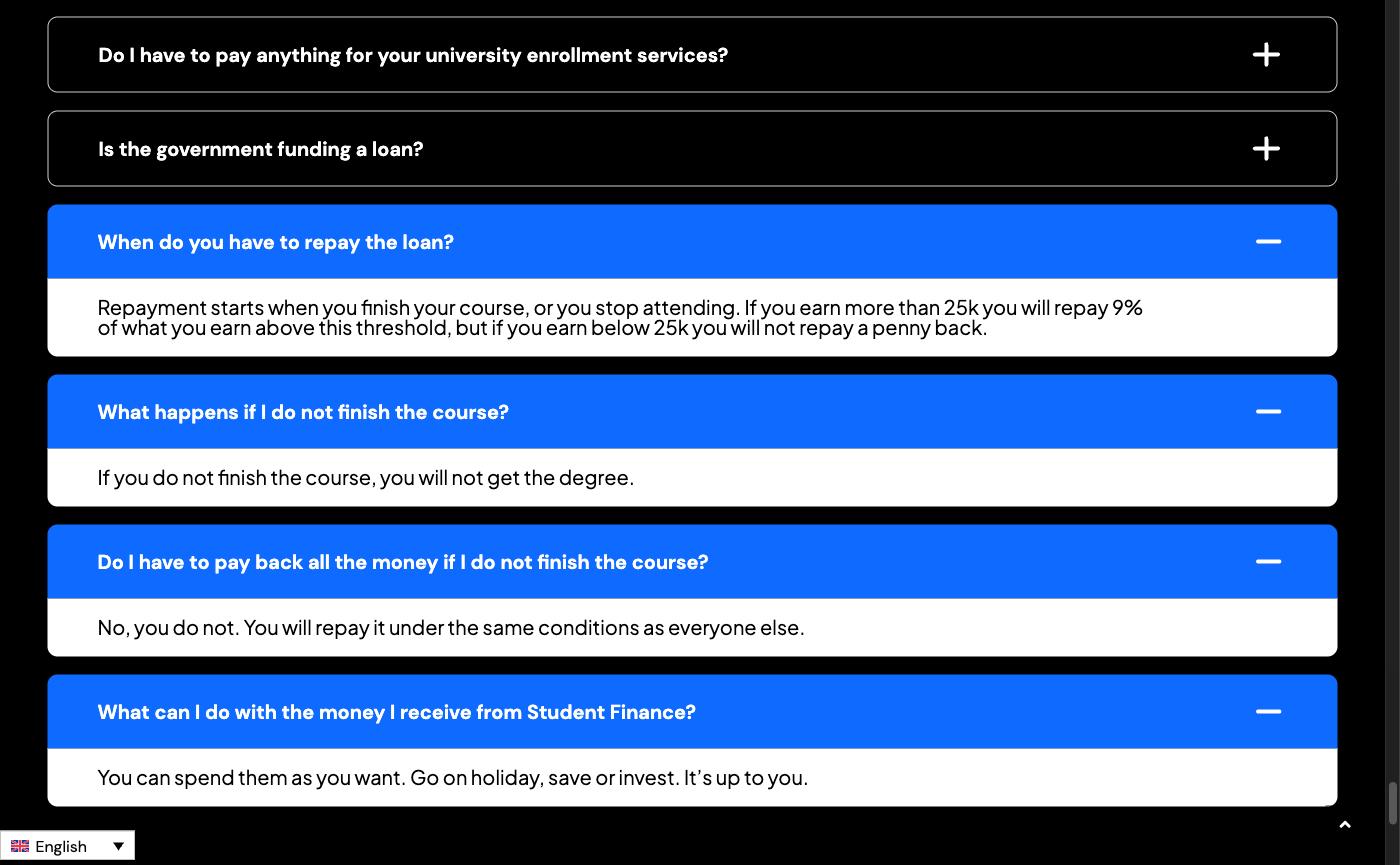
One operator says the quiet part loudest. Its service is “done for students, funded by universities”, and its FAQ asks what you can do with the Student Finance money.
“You can spend them as you want. Go on holiday, save or invest. It’s up to you.”
The same FAQ reassures applicants that dropping out won’t make the loan immediately repayable, because repayment stays linked to income.
What the funnel rarely says, at the point it is saying everything else, is that a recommendation has been paid for.
What these sites tend to present as a course catalogue is not the UK sector but a short list of courses inside specific franchise and partnership arrangements – the same HNDs, foundation years and top-ups, at the same handful of campuses, from providers that recur across agencies and press stories with no apparent connection to one another.
Where the commercial relationship is disclosed at all it sits on a separate page, and it is framed as reassurance rather than interest: the university pays us, so you don’t. The applicant is told the “advice” is free. They are not told that the shortlist they have been handed is the shortlist that pays.
£150 a head, £200 for a finance application, or a BMW
Agents paid by the students they recruit are central to the model, and commission structures usually have to be inferred rather than seen. But some of these operations publish theirs.
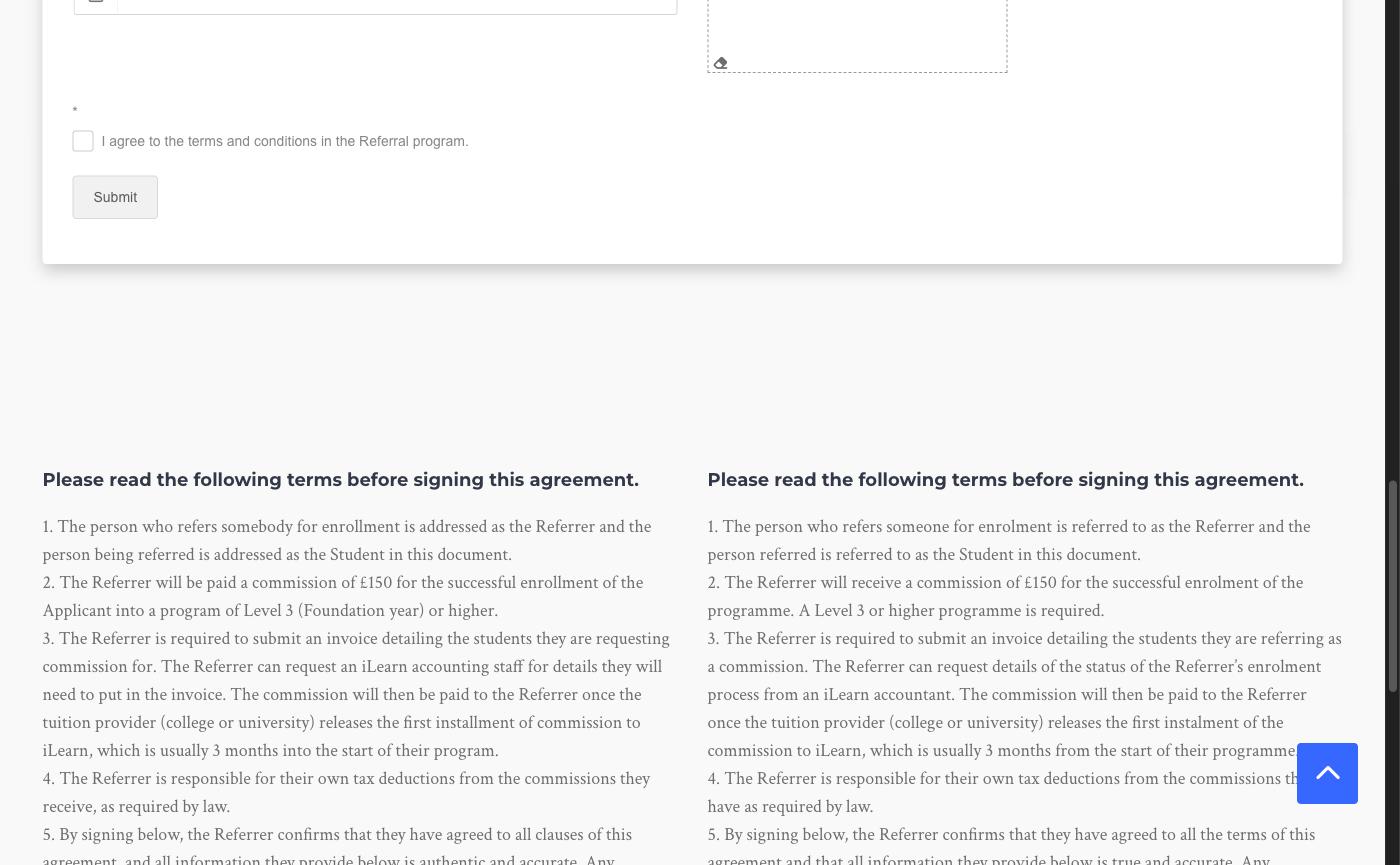
One is a signable contract sitting on the website. It pays an existing student or contact £150 for the successful enrolment of somebody they introduce onto a programme at Level 3 – foundation year – or higher, and is precise about when the money moves:
The commission will then be paid to the Referrer once the tuition provider (college or university) releases the first instalment of commission to [the agency], which is usually 3 months into the start of their programme.
That is the whole chain in a sentence – college or university pays agency, agency pays introducer, timed to the point at which the enrolment has stuck. The next clause makes the referrer responsible for their own tax, which tells us this is may not always be a favour between friends.
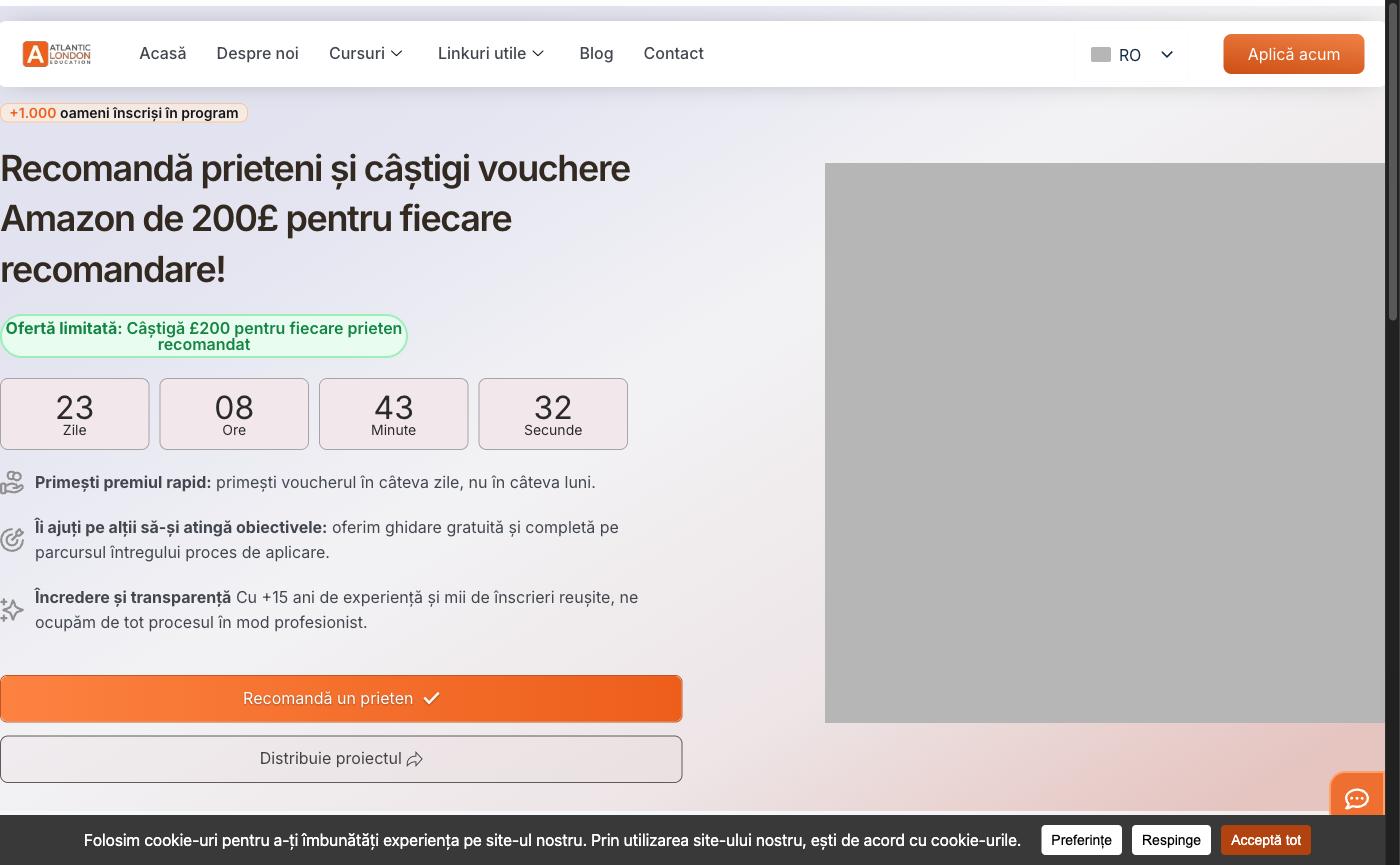
Another goes earlier in the pipeline, offering a £200 Amazon voucher for every eligible friend to anyone at all, student or not. The voucher arrives three to seven working days after the friend completes their application to Student Finance England – no waiting for an institution to release a commission. The reward point is the finance application itself. More than 1,000 people are already signed up, and it too runs a countdown clock.
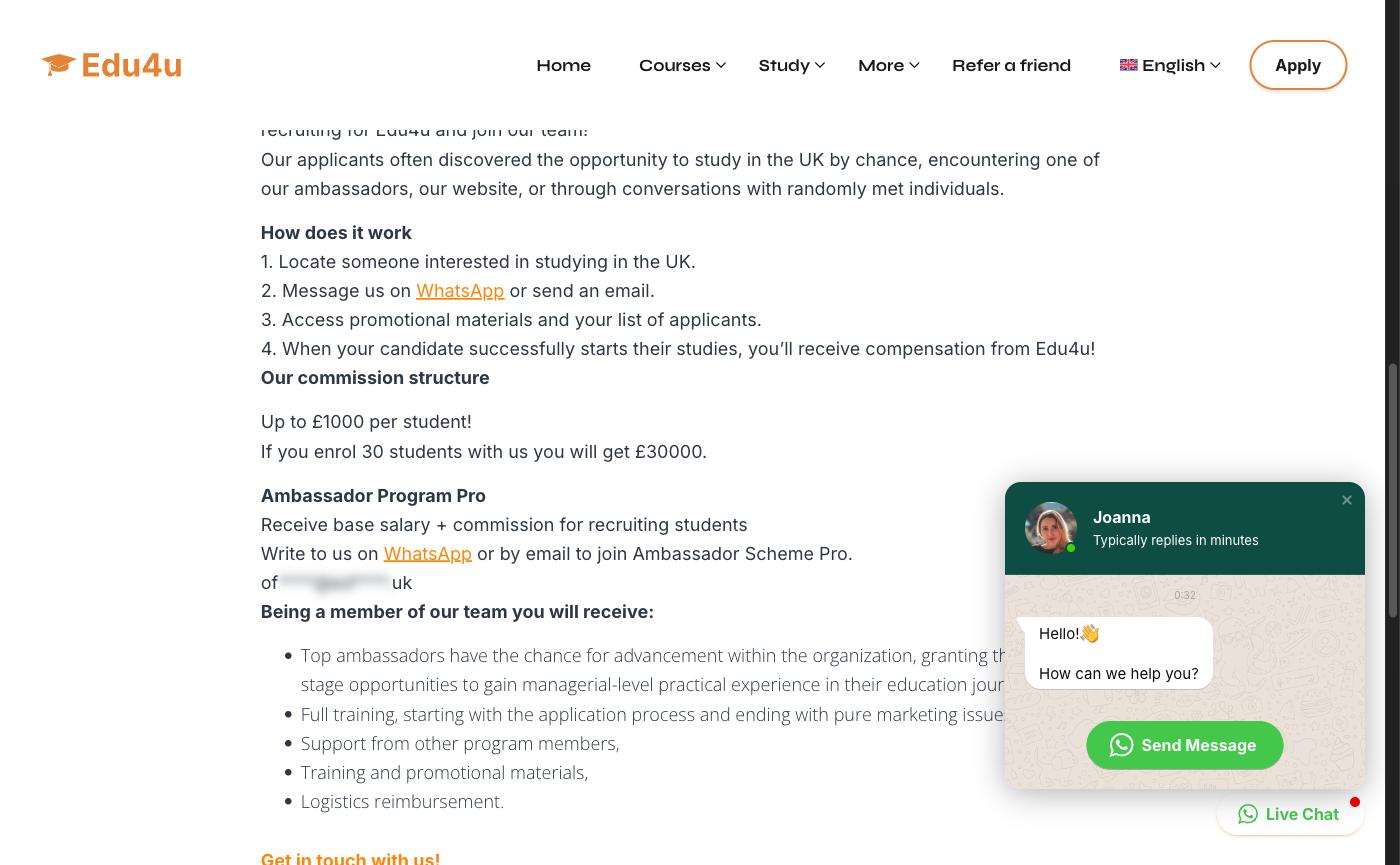
A third offers ambassadors £700 to £1,000 per student. Applicants, it explains, often discover the opportunity through “conversations with randomly met individuals” – and it does the multiplication for you: enrol 30 students, receive £30,000. A pro version adds a base salary, training, promotional material and expenses.
Then there is the version that industrialises it.
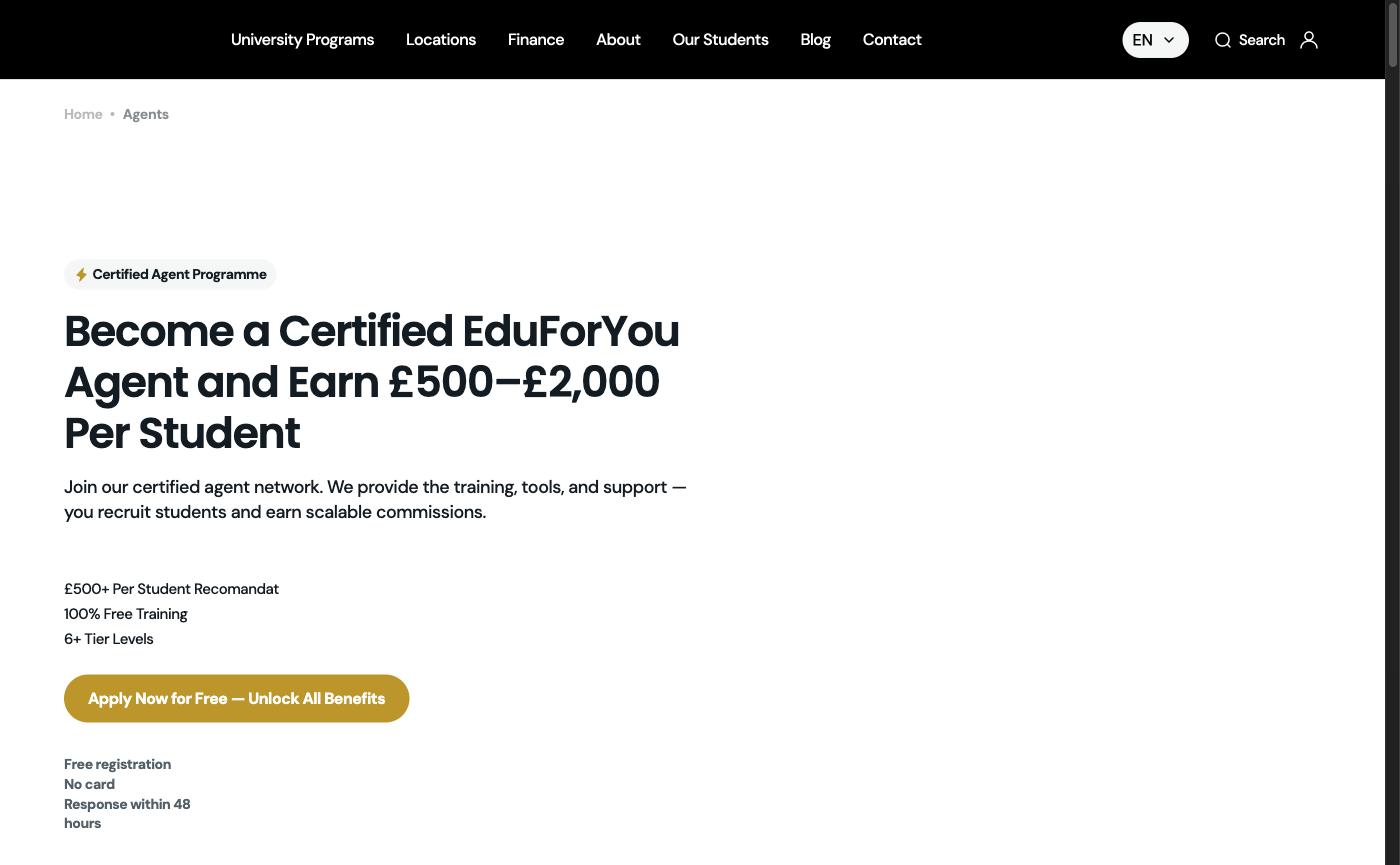
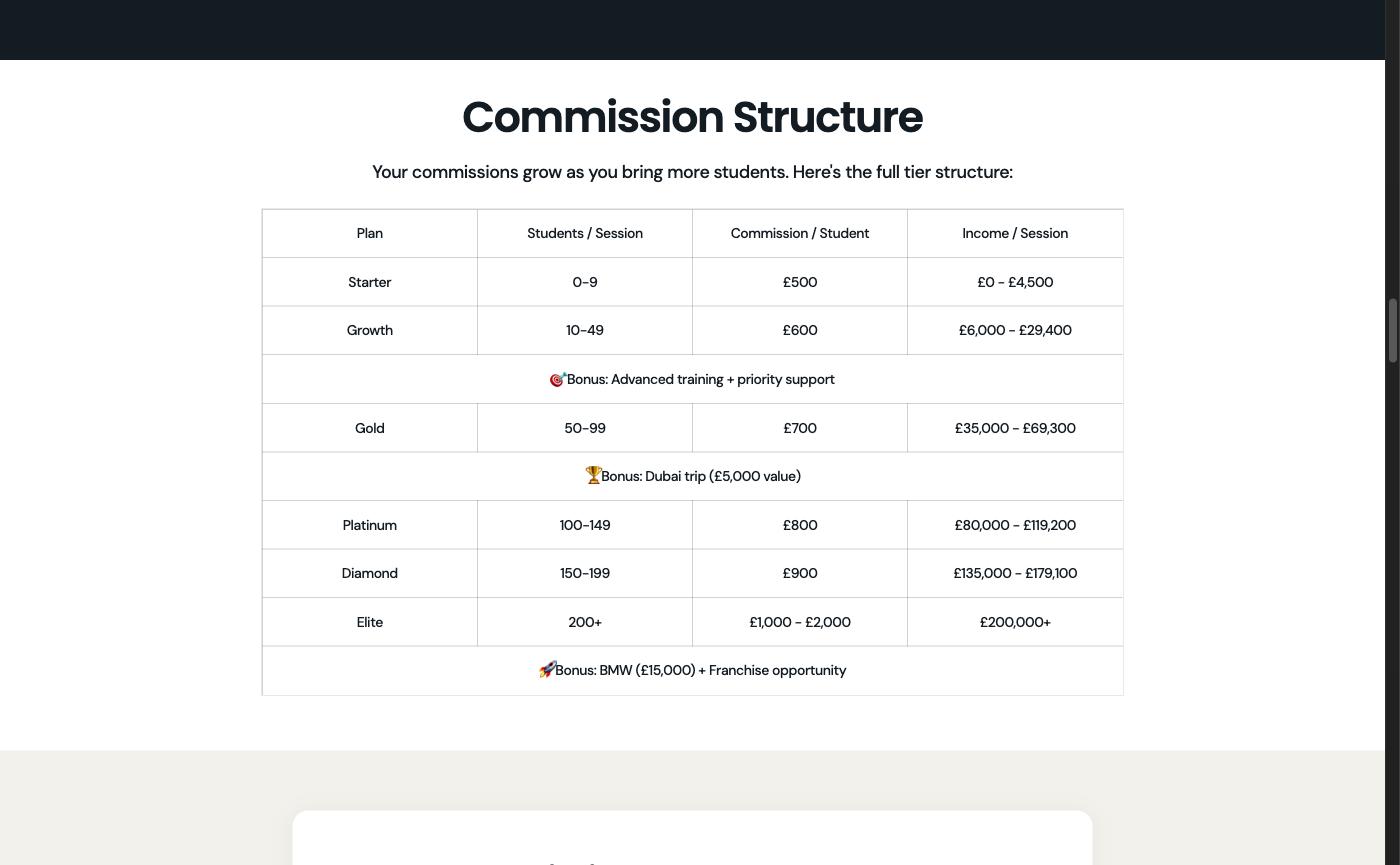
It is a six-tier commission ladder. Starter pays £500 a head for nought to nine students a session. Growth pays £600 for ten to 49. Gold pays £700 for 50 to 99, and carries a bonus in its own row of the table – a trip to Dubai, valued at £5,000.
Platinum pays £800, Diamond £900, and Elite, at 200 students or more, pays “£1,000 – £2,000” a head against a stated income of “£200,000+” per session. The Elite bonus row reads: “BMW (£15,000) + Franchise opportunity”.
Agents pay to join – £49 a month, or £197 up front and £97 a month for VIP. That buys a CRM, video training, “proven scripts for approaching, qualifying, and closing potential students”, and “Custom GPT Access – AI-powered assistant to help you with scripts, objections, and student queries”.
Follow the system for 90 days, earn nothing, and you get your fees back. The recruitment form asks for your occupation, whether you have sales experience, and the size of your network – under 50 people, 50 to 100, 100 to 300, 300 to 500, over 500.
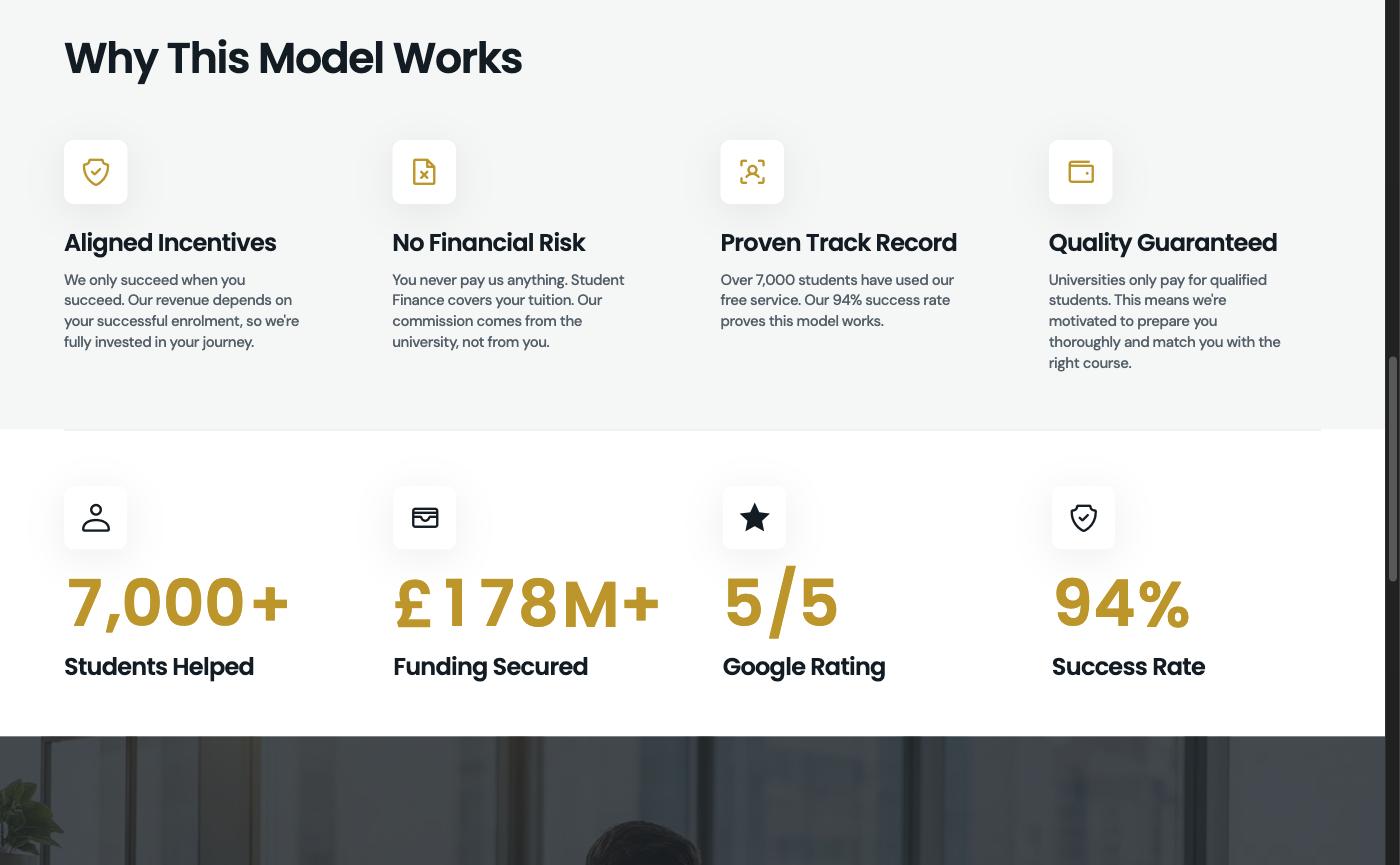
None of this is buried. The same company’s explanation of why its service to students is free is a four-box diagram – student, agency guides for free, university enrols student, university pays agency. Underneath sit the numbers: 7,000 students helped, a 94 per cent success rate, and “£178M+ Funding Secured”.
What is actually being sold
Set aside the contact selling assignments, and none of the individual ingredients is necessarily improper. Mature students do need flexible timetables, foundation years are a legitimate second chance, eligible students are entitled to maintenance, and free help with a form that defeats most people is a real service.
The concern is what has been made central to the sale – cash into a personal account, low apparent attendance, no need to leave your job, low academic barriers, and repayment framed as remote and painless.
Nobody anywhere in that structure is paid for a student who learns anything. The £49 a month buys entry to a network whose product is an eligible body, and the tiers are calibrated so that volume – not suitability, not completion, not outcome, not repayment – is the only variable that moves the money. The Dubai trip is not an aberration in the system. It is the business model.
Much of what I’ve seen is, in theory, against the law. Since April 2025, under the DMCC Act, a “trader” includes anyone “acting in the name of, or on behalf of” a business (s.225(3)), and CMA207 para 2.5 expressly catches agents and subcontractors – so a shortlist presented as free impartial advice while the commercial relationship sits on a separate page may be a misleading omission of commercial intent (6.7–6.8).
The referral schemes turn the referrer into a trader too, and countdown clock are banned outright if the deadline isn’t real.
“Guaranteed acceptance even with poor English” is either a misleading action or a statement about the university’s own admissions that it will have to own, and “twelve taught hours a week” with 80 per cent attendance as the only stated obligation runs into professional diligence (s.229).
CMA207 8.5 pre-empts a “everyone in franchising does this” defence by making prevalent bad-faith practice no defence at all, and the vulnerability provisions (2.23–2.29) shift the test to the average member of a group delivered to in seven languages at A2 English.
It may well be that fear of not getting the income is trumping fear of being caught breaking the law, though. It’s the incentives again.
This is just fraud on an institutional scale.
The Universities that ultimately enable the franchise providers who faciliate this should lose their University titles.