The spiralling costs of higher education are hitting stay at home students harder
Commuter students face financial struggle and a growing sense of isolation from campus. Lee Elliot Major introduces the findings of a new student money and wellbeing survey
This article is more than 2 years old
Comment|
Lee Elliot Major
Lee Elliot Major is Professor of Social Mobility at the University of Exeter
Higher education’s haves and have-nots have been classified in many ways over the decades: working class versus middle class; poor versus rich; first in family to go to university versus the latest in a long family line to go to university; and low versus high higher education participation postcode.
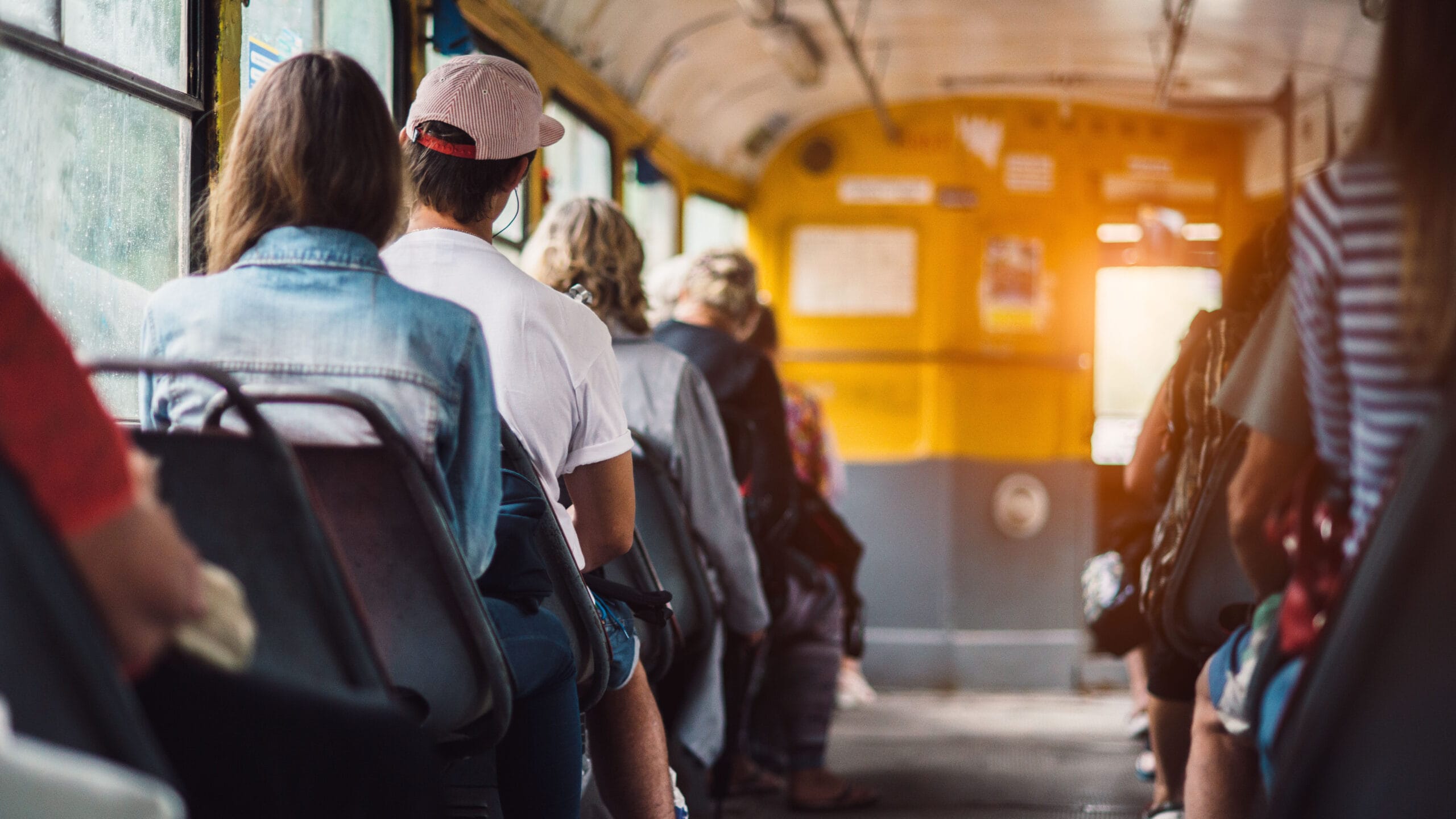
But in the post-pandemic a new academic divide has emerged: the commuter student versus the on-campus student. These two types of scholars may be studying in the same academic institution, but they may as well be living separate parallel lives. One is navigating the daily demands of travel and balancing the complexities of academic and home life. The other is more likely to be fully immersed in university life, enjoying all the social and extracurricular enrichment that may bring. These are higher education’s new outsiders and insiders. While many fortunate students rely on the Bank of Mum and Dad, others are living with Mum or Dad, or are themselves Mum or Dad.
The relentless rise of the commuter student is the product of two separate growing forces shaping the modern higher education landscape: first, a cost of learning crisis that has rendered student life unaffordable to all but a privileged few; second, the rapid march of computing capacity that has promised unprecedented remote access to information and learning resources. Many students commute to university out of necessity to alleviate the financial burden associated with the escalating costs of university accommodation; in theory they can study for much of their degrees from a computer screen in their own room.
Hard hitting
What is becoming increasingly clear is that the spiralling costs of higher education study are disproportionately hitting our stay-at-home students. This worrying trend is documented in detail in this year’s Student Money & Wellbeing survey from Blackbullion. These latest findings are based on 1200 students, surveyed across all regions of the UK during January 2024, spanning the full spectrum of undergraduate and postgraduate study. A total sum of 553 students (46 per cent) classified themselves as commuter students; 234 reported that this decision to stay at home and study was due to necessity.
On average students estimate they need £621 extra a month to confidently feel they can complete their degree. But this figure rises to £782 for students who have to commute to university. These money worries have educational and emotional costs.
Just over one in two students (59 per cent) say they have received a lower grade than expected due to cutting down on going to campus. For commuter students, this increases to two in three (66 per cent). This is caused by not being able to study independently or use university facilities. Commuter students are more likely to working while they are studying. Six in ten students commuting due to necessity rather than choice who worry about finances say that their anxiety impacts on their mental health.
The findings also suggest that universities and colleges could do more to support commuter students. Just 18 per cent of those who commute out of necessity say their university awarded them with funding from a student support fund or grant over the past 12 months, compared to the average of 25 per cent. Over half – 53 per cent - wish they had been awarded a scholarship or bursary. Finally, 82 per cent of commuter students say their experience of being able to travel to campus or university buildings is worse than expected because of not having enough money.
Commuter students challenge our traditional assumptions about what academic study entails. They represent a distinct and expansive student cohort with a different set of expectations and experiences. Too often they remain the forgotten student demographic when it comes to higher education policies and processes. And yet, if current trends continue, they will soon become the majority of our post school learners. The introduction of the Lifelong Learning Entitlement (LLE) in England from September 2025, which will enable people to study at any time in their lives, will fuel the expansion of commuter students.
The results signal the shift, accelerated by the Covid pandemic, from a predominantly campus-based experience for students, to a more hybrid one. But a key theme emerging from the survey is a growing sense of solitude and isolation among many of those attending university.
What is needed
For universities and colleges, the survey serves as an important wake-up call. They could consider policies that enhance financial aid packages for commuter students. This may include grants, scholarships, or subsidies specifically tailored to cover commuting costs.
They could also develop and promote more flexible lecture and seminar schedules, allowing commuter students to better balance work, family, and academic commitments and establish dedicated centres offering resources, study spaces, and support services tailored to commuter students. At the same time we desperately need to explore initiatives to provide affordable housing options for students, acknowledging that accommodation costs are now a significant contributor to financial strain.
One of the most cherished principles at the heart of higher education is that those with the potential to benefit from academic study should not be hampered by material deprivation, or where they happen to come from. In this rapidly changing landscape, we must also ensure that all learners prosper irrespective of how they happened to get to or access the lecture theatre or whether they studied from hall or home.