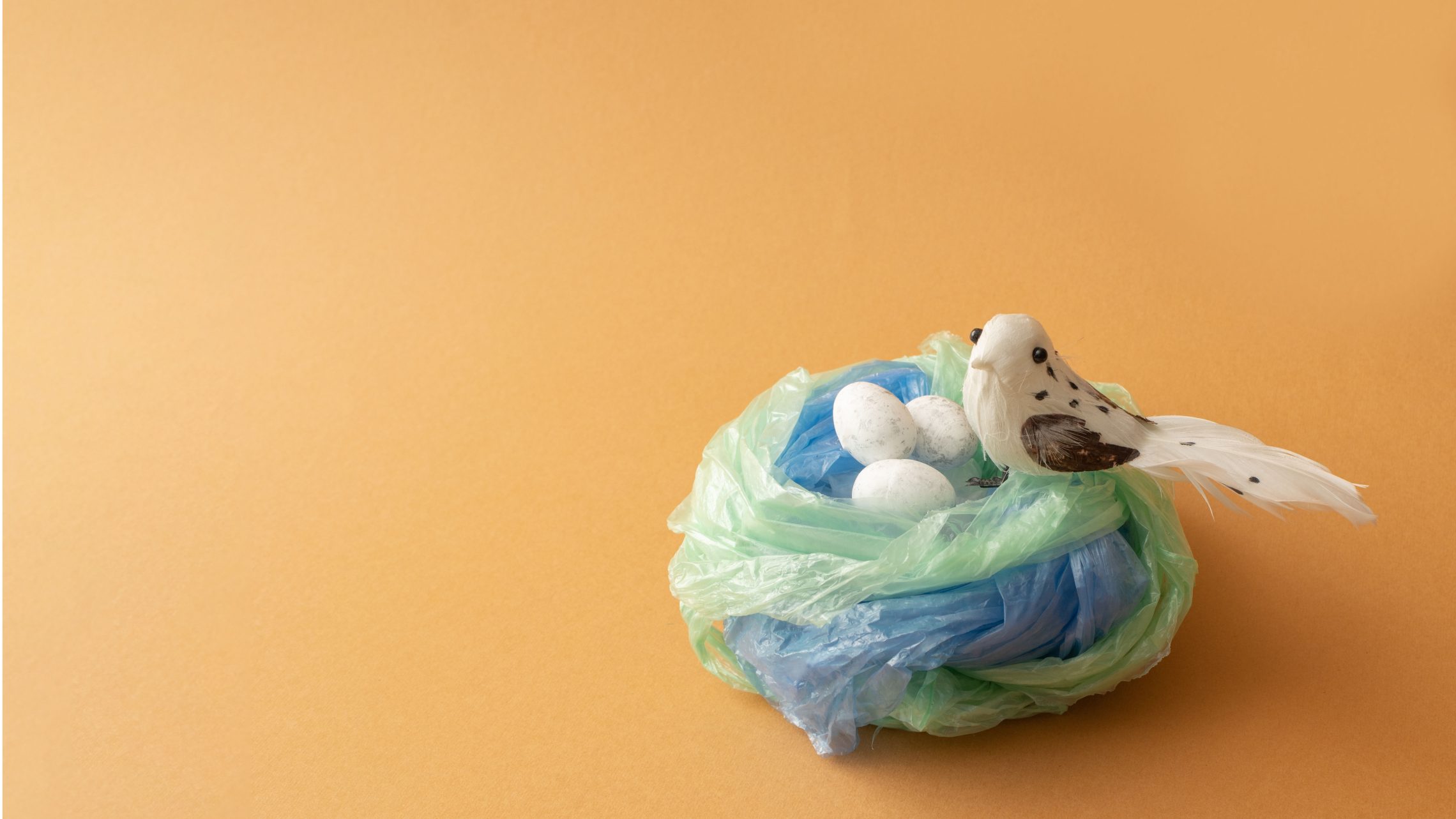


In my academic career I have mourned the death of a plastic bird, celebrated the wedding of stone and branch, foraged for food in a public park, negotiated hostage releases and co-created soundscapes of shame as a node in a human electrical circuit.
In part, this can be explained by the fact that I work at the Royal College of Art (RCA). Arts schools throughout the UK and beyond are filled with interesting people doing interesting things, and it is a privilege to be part of it. This is not, however, the full story. Creativity isn’t reserved for those in art schools. It is more of an approach than an outcome; an openness to new ideas, experiences, and perspectives in service of generating novel connections, insights, and responses.
Creativity for all
Reports on future skills routinely identify creativity or creative thinking as crucial human skills required to help us all navigate a complex, changing and uncertain world. The National Centre for Universities and Business’s Collaboration for Future Skills Report and the World Economic Forum’s The Future of Jobs Report are just two examples that illustrate how seriously we should take something that can sometimes be dismissed as frivolous or ancillary.
If creativity is indeed a future skill, how do we embed it within curriculum design across all disciplines? My own moment of revelation came – like so many do – through failure. In a workshop with creative education students, I invited them to assess a ChatGPT response to the assessment brief that they were working to. This was dynamically generated in class. At the end of the exercise I was alarmed to discover that most student groups awarded the generated text a pass. I was doubly alarmed that I did the same when repeating the exercise on the train home.
My first thought was concern. I asked the same anxious questions that I’ve heard throughout the sector. How do I legislate for this? How do I detect this? How do I prevent this? It took me a while to move beyond this and realise that the failure was not the technology, or the students using it. It was my assessment design, which invited students to compare X and Y and provide recommendations based on that analysis. I had designed something that generative AI tools are already good at: sifting and sorting through pre-defined knowledge and presenting plausible conclusions in accessible formats. If I wanted the assessment to support meaningful student learning I had to think again.
In redesigning my assessment I looked to engage the human qualities of curiosity, imagination and reflection in the same ways that other colleagues have across the sector. Whether it’s case-based learning in Veterinary Science or challenge-based learning in design universities have found innovative ways to encourage students to – in John Maynard Keynes words – “try the possibilities of things.” This shift towards creativity in curriculum design invites students to make sense of the world by making active choices about what they study and how they study it. Crucially, it also has the courage to embrace the glorious messiness of Orr and Shreeves’ “sticky curriculum” and enable students to learn through the process of experimentation, reflection and iteration.
Make it personal to make it meaningful
On the Creative Education programme students no longer compare X and Y. Instead they complete the “Revisit Project” where they redesign a teaching session that they have experienced as a teacher, student, or observer. Part of the brief involves students reflecting on why they have chosen that session and how their choices are informed by their engagement with literature and their own values as educators. Students have chosen to revisit sessions as diverse as ocarina making, architectural masterclasses and improvised fashion lectures. Each is unique. Each is personal. Each tells a fascinating story that ChatGPT can not yet mimic.
In supporting meaningful learning, creative approaches to curriculum design can help students make sense of the world by encouraging them to translate often abstract knowledge, skills and values into practice. Beyond that, it can help them make meaning by creating opportunities to apply their intellect and imagination to the things that they care most about. This is why I’m confident that a higher education sector framed around making pedagogies that engage the human qualities of curiosity, imagination and reflection can still thrive in the age of generative AI. Let’s encourage students to work with their phones rather than compete with them.
If you are interested in sharing ideas with colleagues on making-based approaches to curriculum design please let me know. There may be a network of us out there across the sector. It doesn’t have to look the same in every discipline. Indeed, I would be disappointed if it did. There may be fewer funerals in economics, weddings in engineering and shame soundscapes in physics, but there will be opportunities to make something new and – in doing so – to help our students make meaning.