Terminology changes, but the arts remain
Creative industries is the phrase of the moment, but – for Simon McKerrell – the arts answer a much deeper and more profound community need
This article is more than 5 years old
Comment|
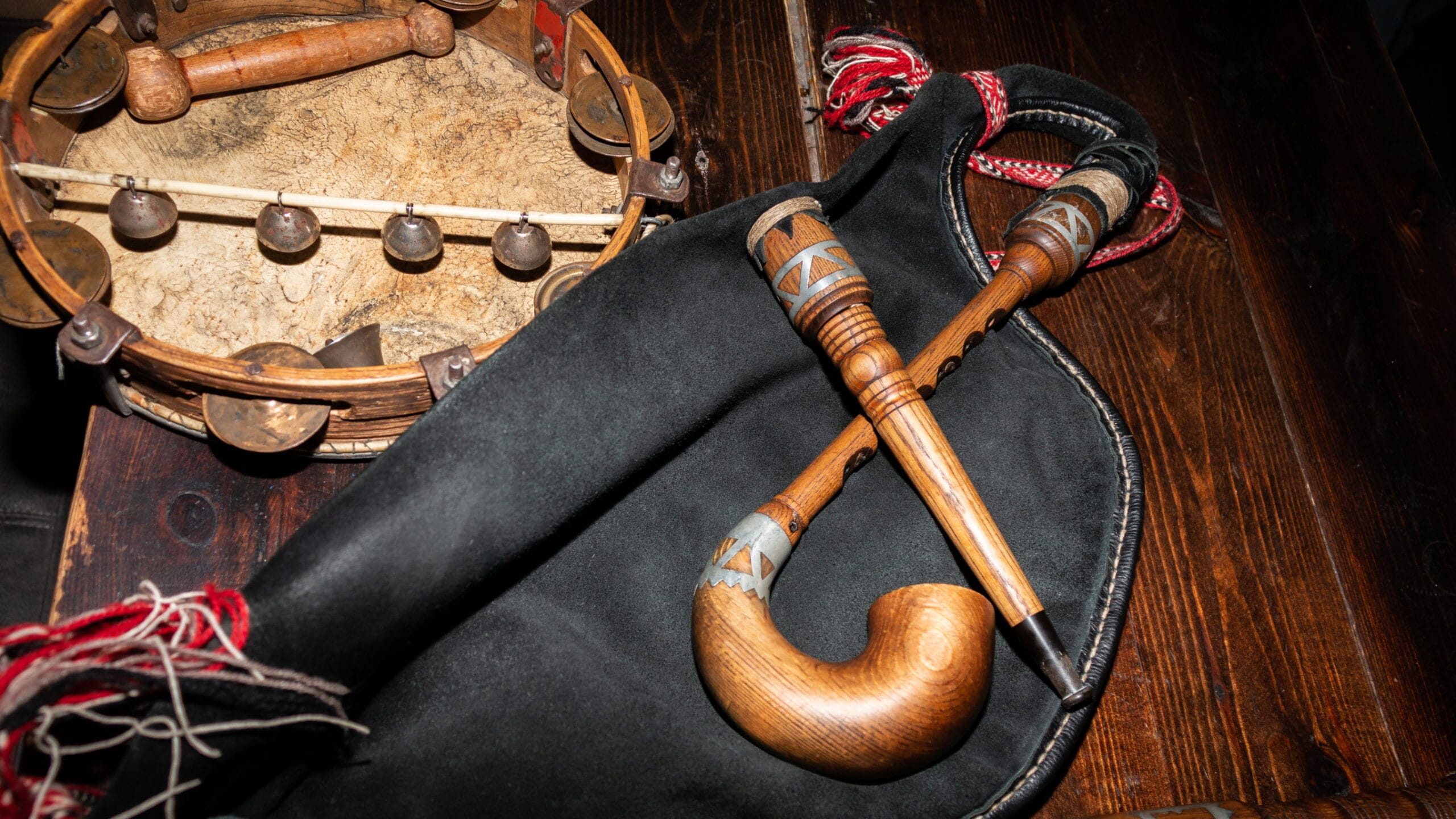
Simon McKerrell
Simon McKerrell is a Reader in Music and Society at the International Centre for Music Studies at Newcastle University
The “creative industries”, and - now - the “creative economy”, are phrases of recent coinage, and may well have a short life.
They describe and group together largely economically-determined concepts that are useful in today’s politics and policy. They are useful for politicians, policy makers, academics and artists who wish to refer shorthand to a group of related commercial and professional fields of practice - usually beginning with IT software and computing services, including games design, advertising and marketing, TV production, and ending with other, much less economically significant areas like visual art, museums, musical performance, dance and crafts. Either to their advantage or disadvantage, depending on one’s own perspective.
Grouping all these professions together is useful in government (national and regional) and for those of us with an interest in describing the instrumental benefits of certain forms of artistic activity, but the terminology masks the much more significant amateur, non-commercial and community-based creative aspects of our lives. The arts, have been, and will be, around a lot longer than the creative industries.
A new phrase, an old debate
The debate about the utility of the arts is an old one, and has in some respects become simpler and less interesting in the past decade when one examines (or recalls) public debates around the post-war formation of the Arts Council of Great Britain or the late night smoke-filled TV debates of Late-night Line Up, or even Kenneth Clark’s Civilization. These days, public discourse about the arts focuses either upon a binary view of their instrumental or aesthetic value, with cleanly drawn political polarization and the majority public figures simply lining up along party lines.
Sometimes, we hear some variation or rehash of the null hypothesis argument: That jobs and prosperity matter and are highly valued does not mean that performing or listening to music is not. We all deserve a richer, fuller debate that captures not simply well trodden statistical assertions about the value of the “creative economy”, or similarly generic statements about the human and intrinsic power of the arts.
In the face of a publicly uncontroversial political consensus to cut funding in higher education for arts subjects, realigning that money with STEM subjects, the prize is not (as many on the left continue to imagine) a U-turn reversal of funding priorities in higher education, but a much brighter one; a public re-engagement with the arts and their significance in everyday life beyond the statistical and policy-focused domains. The lack of public interest in this policy shift should be a canary for those in the tertiary sector, warning us all that we need to stop debating cuts, and start debating the meaning, significance and ways of doing art in our communities.
Community arts
Further and higher education have a key role to play in local communities, both as spaces for people to learn, practise and refine their artistry, but also in our local communities. Public lectures, coding workshops, craft nights, local choir rehearsals, folk groups and orchestras, demos, and poetry readings are things that can all happen in universities and colleges. Indeed, so much of our research in universities informs and transforms these artistic traditions whether it’s getting the chance to sing music that hasn’t been heard for 500 years or improving our understanding of that newly-minted motorway art.
Connecting ourselves inside and outside of our institutions means that we all have the opportunity to live artistic lives every day, and to share our research and practice in public encounters that breathe creative life into our communities (and universities). These things are hugely valued and important and despite what loud-voiced doomsters might suggest, the lack of metrics against them is generally a good thing and your senior management team largely agree with you too.
Painting, singing, poetry-readings, creative coding, sketching, listening, dancing, drawing, turning, designing, building, making and even reflecting together, are things that people love to do. And, if we do them (as many of us have rediscovered during the pandemic) the by-product will undoubtedly be a higher quality of public discourse about the value of the arts, and arts courses. Not because of what someone has said on Newsnight, but because we are all doing it, together, and we know how it makes us, and others, feel.
Real cultural change
A prize like this would mean regional programming for television and radio that assumes listeners are interested and capable of concentrating for more than 90 seconds on the subject at hand. It would recognise that interviews with art teachers and pupils can be as fascinating and worthy as those of the professional classes. And it would forgo dualistic debate about simple narratives of arts cuts in favour of bringing real expertise on things like folk songs, contemporary poetry, historic architecture and rural craft traditions back into the mainstream media. It might also include public debates about employment incentives for regional IT and software design, as well as further and higher education links with industry, and what we can do to improve these in our local area.
In some respects, the obsession with the professional, the commercial, GDP and the creative economy, is a symptom of London-centricity in our national debate. Let’s hear about the value of the arts from people that do it, make it, play it and study it every day. In reality anyway, these are the things that attract people into artistic and creative design careers anyway, the focus on the economic and the output is masking the joy and shared love of the arts as a social and everyday part of our lives.
Comments · 1
New comments will come back with sign-in later this year.
Keith Hennigan · 19 Jul 2021
This was a lovely thing to read on a Monday morning, and I couldn’t agree more. Thanks Simon!
Related articles
Students are working more than ever. Or are they?
Jim Dickinson | Comment | 25/09/26
Lessons in collaboration from Singapore
James Coe | Comment | 25/09/26
Higher education postcard: Old Joe
Hugh Jones | Comment | 25/09/26
A field guide to mergers in higher education
Richard Mills | Comment | 24/09/26
If Scotland’s university funding problem is systemic, the response must be too
Vicki Stott | Comment | 24/09/26
There’s nine more pieces for the Quality Code
Nic Beech | Comment | 23/09/26