Profile: Angela Eagle MP
Following the announcement that Angela Eagle will serve as Shadow Secretary of State for Business, Innovation & Skills, Zaki Dogliani profiles the Wallasey MP.
This article is more than 10 years old
Policy Watch|
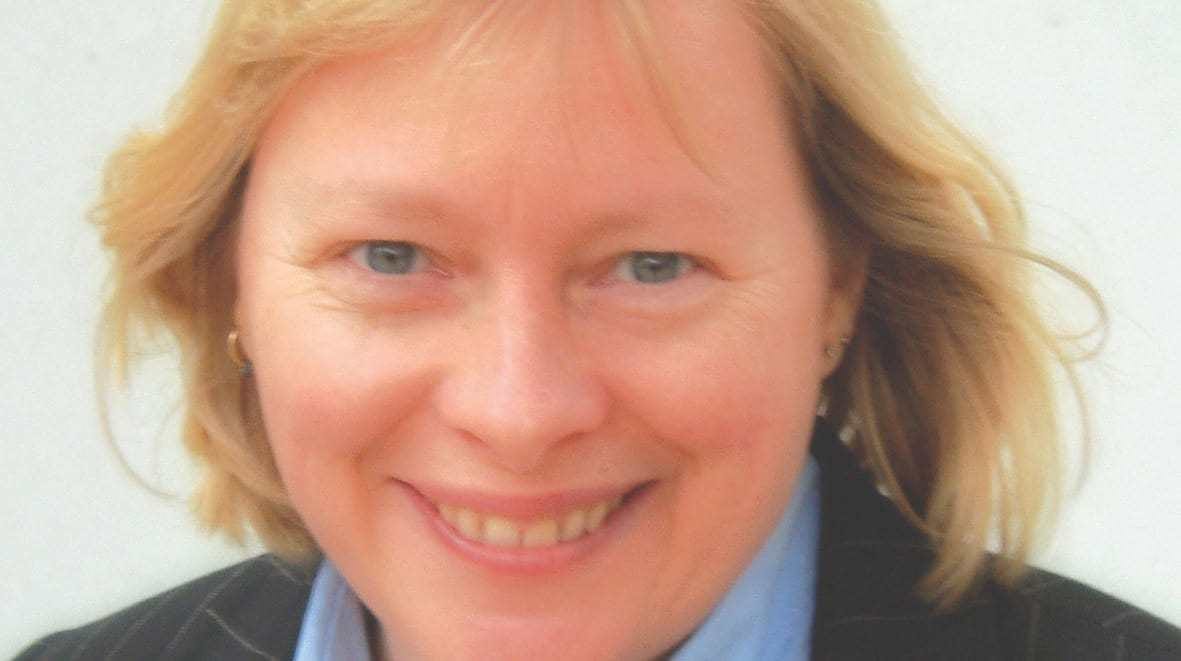
Zaki is a reporter at Wonkhe.
Angela Eagle MP is the new Shadow Secretary of State for Business, Innovation and Skills – the brief which has responsibility for universities and science in the new Labour Shadow Cabinet.
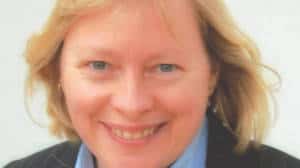 Eagle had been widely expected to become Shadow Chancellor in Jeremy Corbyn’s Shadow Cabinet. But the Wallasey MP will instead serve as Shadow Business Secretary and also Shadow First Secretary of State, deputising for Corbyn at Prime Minister’s Questions.
The widespread calls for her to be made Shadow Chancellor suggest how serious concerns over the lack of women in senior Labour positions are, how open to working closely with Corbyn she appears compared to much of the old Shadow Cabinet or just how popular the 54-year-old has become across the party. Or perhaps a combination of all three.
In any case, her standing within the party seems to have increased substantially since she entered the contest for Deputy Leader. Although she finished fourth, 2,000 votes short of making it into the third round of voting ahead of Caroline Flint, she was largely considered to have run a positive campaign and to have established herself as one of the few mainstream figures open to the possibility of a Corbyn victory.
Eagle is considered to be to the left of the other Deputy Leader candidates, but has attracted supporters from Mike Gapes on the party’s right, to Ken Livingstone and the left-wing Campaign for Labour Party Democracy (CLPD), which recommended a first preference vote for her alongside Corbyn, on the other side.
To much of Labour’s grassroots, she comes across as a “members’ champion”, talking about enhancing democracy within the party. The CLPD “recommended support for Angela Eagle as first preference because of her unique record amongst women candidates in support of democracy in the party, of a policy-making process which was accessible to the party grassroots rather than one which was entirely based, in reality, in the leader’s office”.
Unafraid to speak her mind, Eagle hit out at Tony Blair during Deputy Leader hustings after he called on Corbyn supporters to “get a heart transplant”. Eagle was the first candidate in the Leader and Deputy race to unequivocally pledge to serve under the new leader, whether Corbyn, Andy Burnham, Yvette Cooper or Liz Kendall.
Interviewed about how she would act towards the new leader, Eagle said she would be “loyal, but I’d tell them exactly what I thought was happening and give them the benefit of my experience of the party.”
Eagle, originally from the East Riding of Yorkshire, read PPE at St John’s College, Oxford. First elected to parliament at the 1992 General Election, aged 31, Eagle previously worked for the CBI and the Confederation of Health Service Employees union. She gained the hitherto Conservative-held seat of Wallasey in Merseyside, which she has retained ever since, and bucked the national trend with an 8.6 per cent swing in her favour in May.
Eagle appears relatively unattached to any wing of the party. She supported Bryan Gould in the 1992 leadership election and Margaret Beckett rather than Tony Blair in 1994. But she backed David Miliband in 2010 and spent years as a minister under New Labour. Formerly Pensions Minister and Exchequer Secretary to the Treasury under Gordon Brown, Eagle then spent a year as Shadow Chief Secretary to the Treasury and, from 2011 to 2015, was Shadow Leader of the House of Commons.
She voted to introduce top-up fees in 2004 but, with her Labour colleagues, opposed the coalition’s trebling of fees in 2010.
She is yet to say much about higher education, and it is hard to tell how Labour’s new universities policy will be shaped by her, especially while the identity of the Shadow Universities and Science Minister remains unknown.
But the loyalty (albeit slightly tempered at times) she has shown over the years, and the early promise to serve under Corbyn if asked, appears to indicate that she is fairly unlikely to stand in his way as the new leader seeks to shift the narrative in higher education and bring free higher education to the heart of the party’s new policy platform.
Follow Angela Eagle on Twitter @angelaeagle
Comments
New comments will come back with sign-in later this year.
Related articles
Ministers dodge the question of candour in universities
Jim Dickinson | Policy Watch | 12/10/26

Counting the cost of teaching higher education in England
David Kernohan | Policy Watch | 18/09/26
The tone has changed on free speech, but the architecture hasn’t
Jim Dickinson | Policy Watch | 17/09/26

Student loans are still broken and unfair
Jim Dickinson | Policy Watch | 13/09/26

We’re very sorry, and we won’t do it again
David Kernohan | Policy Watch | 4/09/26
Assessing Scotland’s sector finances
David Kernohan | Policy Watch | 28/08/26