Improving the experiences of trans and gender diverse staff in higher education
Stephanie Mckendry and Matson Lawrence of the University of Strathclyde take a look at the experiences of trans, non-binary and gender diverse people in higher education and set out how we can help.
This article is more than 8 years old
Analysis|
Matson Lawrence is a research associate at the University of Strathclyde and a senior policy/analysis officer at the Scottish Funding Council.
Stephanie Mckendry was a member of the Framework Development Group for the Scottish Government's Framework for Fair Access and sits on the Framework Governance Group.
The poor experiences of those who identify as trans, non-binary or gender diverse is being increasingly documented.
Social context
Stonewall’s most recent Trans Report (2017) on life in the UK paints a picture of harassment and discrimination for many whose gender identity differs from the gender and sex they were assigned at birth (trans men and trans women, for example) and for those who experience their gender outside of the binary (non-binary, agender or genderqueer people, for example). In their survey, Stonewall found that, in the last year, 12% had been physically attacked by a colleague or customer, and more than a third of trans students (36%) had experienced negative comments or behaviour from staff. A quarter of trans people had experienced homelessness, and just under half (48%) did not feel comfortable using public toilets through fear of discrimination or harassment.
The project
As researchers with backgrounds in access and equality we wanted to better understand what life was like for trans and gender diverse people in the further and higher education sectors. We undertook the TransEdu project to examine the experiences of applicants, students and staff in Scotland’s colleges and universities. Backed by the Scottish Funding Council (SFC), the project aimed to baseline current policy and practice, and undertake empirical research with trans and gender diverse people in tertiary education in order to inform institutional policy and procedure, including Equality Outcomes, Gender Action Plans, Equality Impact Assessments and ethical and statutory obligations. Using an action research methodology, we mapped current practice in colleges and universities, undertook documentary analysis, and surveyed 157 applicants, students and staff, with participants from every higher education institution and two-thirds of colleges in Scotland. We also undertook 20 in-depth interviews.
What we found
- 86% of participants had experienced barriers to their learning or work in relation to their trans identity or gender diversity. Participants pointed to peer relationships with colleagues and fellow students as particularly problematic, alongside concerns about gender neutral facilities and difficult administrative processes.
- Almost a quarter of respondents (23%) felt entirely unable to discuss their trans status or identity with their institution and a further 33% felt only a “a little” able to do so. Almost 50% did not know if their institution had a policy to support trans people.
- 35% of respondents had withdrawn from their studies before completion. These participants cited mental health issues as the main reason for withdrawal, alongside disability and health conditions, and bullying, harassment or prejudice.
- Over half of the survey respondents (54%) did not identify within a binary gender identity. Thus, support that focuses solely on binary trans experiences to the exclusion of gender diversity and non-binary identities will not be effective.
- Over 80% of participants had accessed, are currently accessing, or plan to access a Gender Identity Clinic.
- For staff and postgraduate students, major barriers were experienced in relation to professional relationships and networking.
From textual analysis of free text responses within the survey and interviews, eight dominant themes emerged. These included:
Safety – a significant number of people were concerned about their personal safety on campus, experiencing hostility and overt transphobia.
Learning and teaching issues – poor experiences particularly in relation to group work, attitudes of staff and the perceived “laddishness” of certain disciplines, the dearth of curriculum pertaining to trans and gender diversity issues in many healthcare and professional programmes and negative experiences on placement.
Complexities and intersections – the need to attend to the specific experiences of those with mental health conditions or disabilities, which are more prevalent among this group than the wider population. Issues of estrangement, isolation and financial precarity were common.
Having to be educators – the vast majority of interviewees and survey respondents expressed frustration and disappointment around the lack of trans awareness or understanding of gender diversity. Individuals, particularly staff members, had to educate those around them in order to receive support and any sense of understanding. While some were happy to participate in campaigns and instigate activities, all agreed primary responsibility for change and training had to be led by the institution.
Othering – administrative difficulties, a lack of gender neutral facilities and sports opportunities, and misgendering (using the incorrect pronoun, for example) may all individually appear to be isolated, perhaps minor, incidents. Taken together, however, they create a hostile and unwelcoming environment for trans and gender diverse people. Conversely, even minor efforts to promote inclusion made a real difference to people’s experiences.
What can you do
While it was clear that there were many challenges for people – experiences that are likely to be mirrored across the UK – there is much that can be done at an individual, departmental and institutional level.
In particular, we recommend that designated named contacts are trained and publicised as an approachable and accessible single point of contact for staff and students who wish to discuss matters and seek advice on study or work issues related to their gender identity or trans status. We also recommend the development of a specific gender diversity policy; clear online information outlining the rights and support gender diverse people can expect from their employer or place of study; trans inclusive curricula projects; and celebrations of gender diversity through event calendars and campaigns.
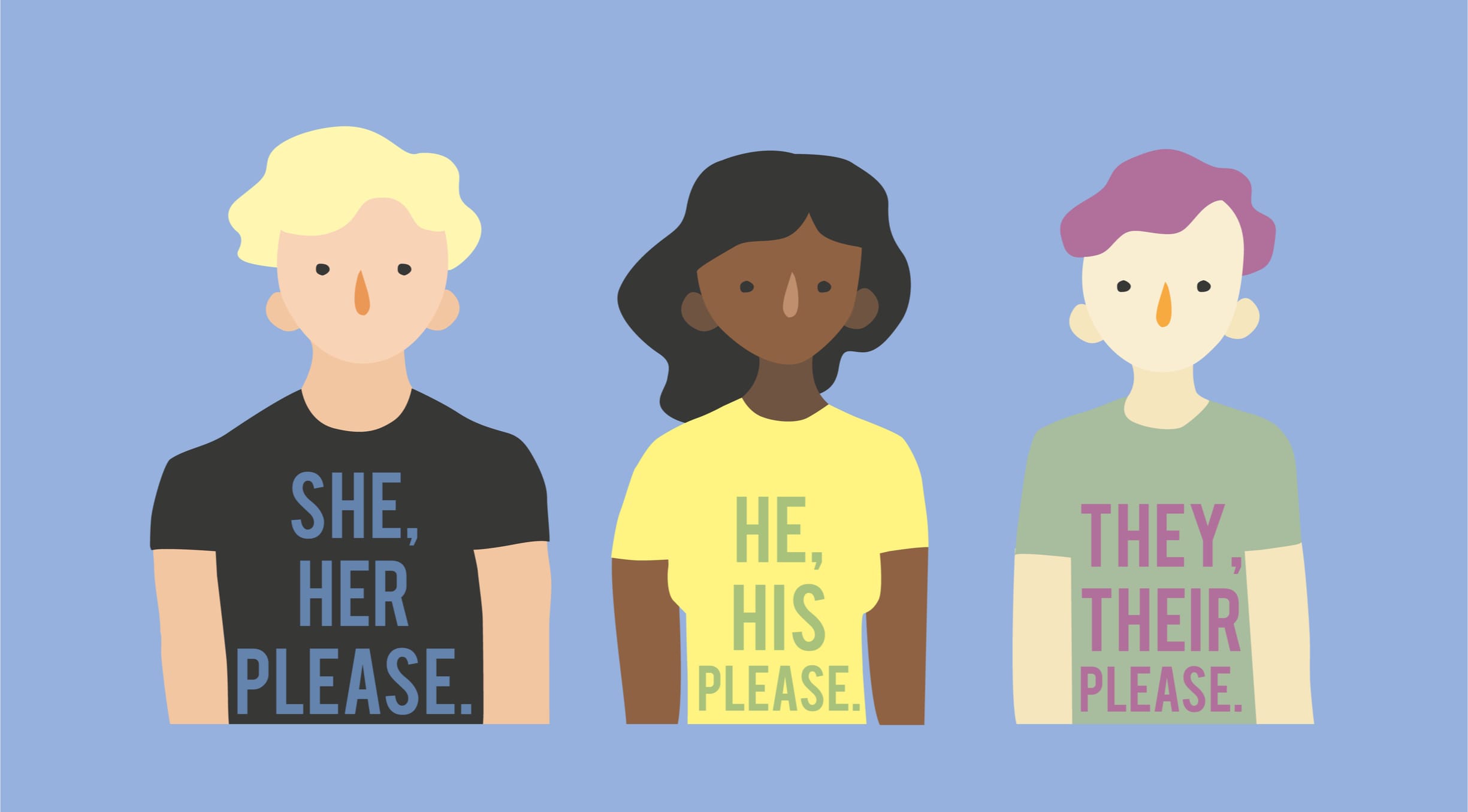
Even simple gestures of recognition – such as adding your pronouns to your email signature or putting up posters that celebrate gender diversity – can have a significant impact upon trans staff and students, and upon the wider university community, particularly when accompanied by wider work for systemic and structural institutional change.
To help those supporting trans and gender diverse students, staff and their families, we have developed a suite of resources, guidance and case studies published on our website, while also drawing together the resources that already exist across and beyond our sectors. There is much to be done to improve support, but there are many examples of effective practice and, we believe, a real desire to promote gender diversity and trans inclusion within the sector.
Related articles

Whose universities are they anyway?
Jim Dickinson | Analysis | 4/09/26
We say we value diverse research, but can we assess it?
Ola Thomson | Analysis | 27/08/26

Accommodation matters, for foundation year students too
Wendy Ashall | Analysis | 26/08/26

Going deeper: Student loans, public expenditure and the devolution funding gap
Jim Dickinson | Analysis | 25/08/26