Higher education postcard: Leuven, Belgium
This week’s card from Hugh Jones’ postbag has grim parallels with today
This article is more than 2 years old
Comment|
Hugh Jones is a freelance HE consultant. You’ll find a daily #HigherEducationPostcard if you follow him on Bluesky
In August 1914, war spread across Europe.
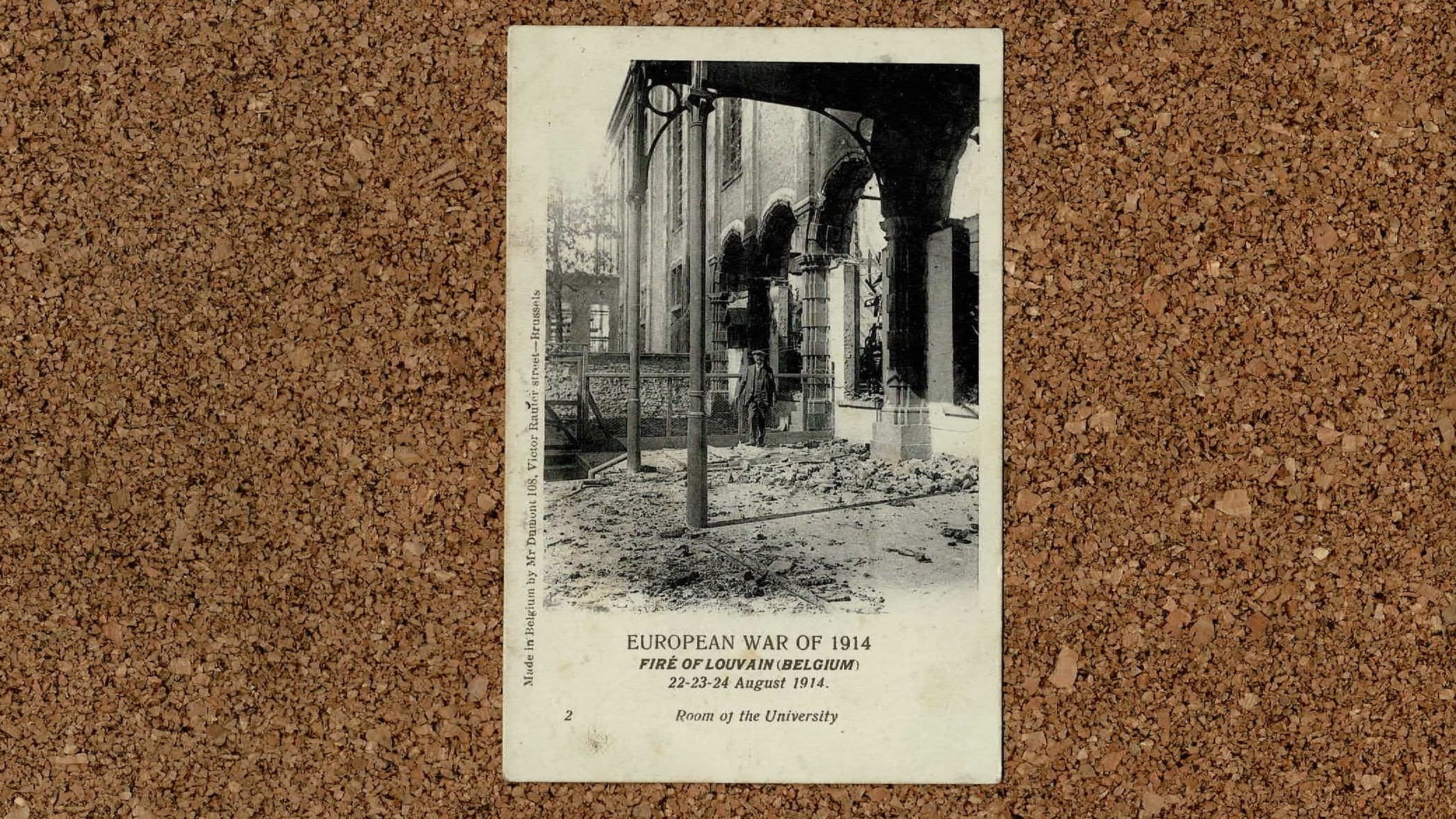
Germany, the Austro-Hungarian Empire, and the Ottoman Empire fought as allies against a host of other nations: principally, at the outset, France, Russia, the British Empire, Serbia, Belgium and Montenegro. In the west of Europe, early fighting took place in Belgium. The city of Louvain/Leuven was occupied by German forces, and in late August German troops ran amok, killing civilians, ransacking buildings, and burning the city’s university, especially its library. This is what is recorded on the postcard.
The fate of Louvain was seized upon as a cause celebre – witness these two articles from the Nottingham Evening Post of 29 August 1914, the second of which seems to be syndicated from The Times:
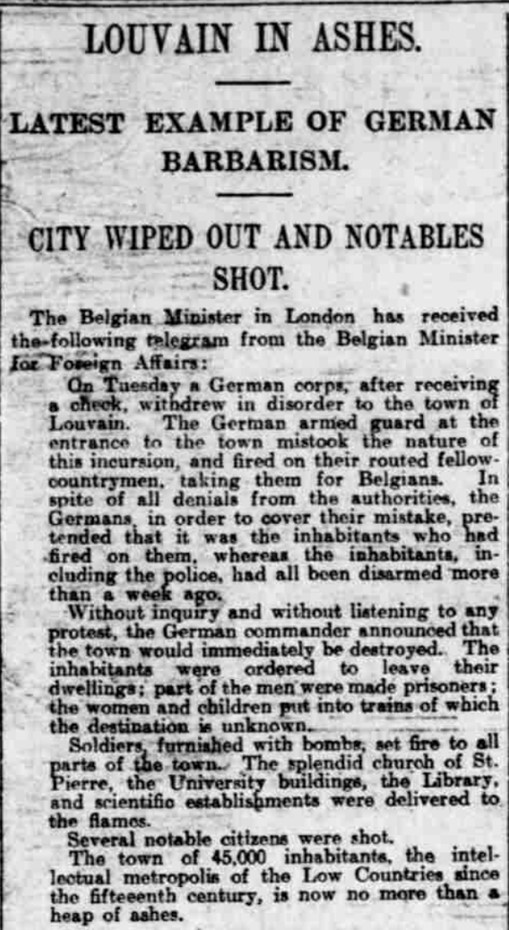
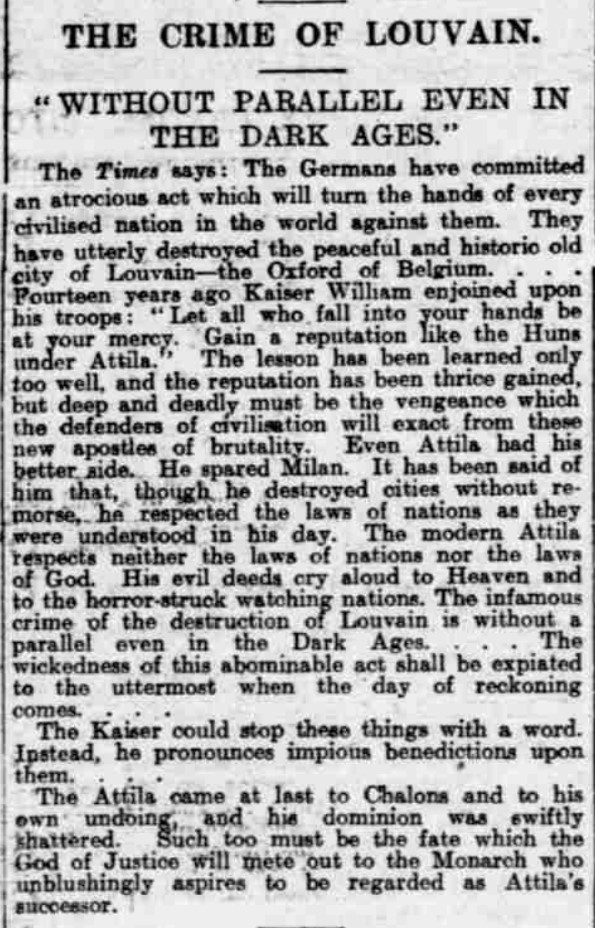
Note the prominence of the university and library in the list of things destroyed, and the reference to Louvain, an ancient university city, as the Oxford of Belgium.
Fast forward to 2024 and the physical destruction of universities has become a more commonplace, less scandalous event, it would seem. Universities in Gaza, in Ukraine, in Sudan have been destroyed, occupied, or ransacked, and there’s nothing like the level of angst that was seen in respect of Louvain.
Maybe this says something about a century of modern war and the numbing effect of violence and destruction; maybe it says something about propaganda, and things mattering more if you’re one of the sides directly in the fight rather than a bystander; maybe it says something about different values placed on people of different races and ethnicities.
Let’s also remember, of course, that university buildings and books are, ultimately, just things, compared to the lives lost in the wars which destroy them. But when you lose a university you lose knowledge, and a community dedicated to its preservation, increase and transmission. These are not things to be lightly dismissed.
My apologies that today’s blog doesn’t have a more chipper tone. Normal service will be resumed next week, and one day I’ll find a less extreme card of the University of Leuven, so I can tell you about its genuinely fascinating history. Which is way more than its destruction in 1914.
Related articles

Boards can’t predict the future, but they can make sure their institution is ready for it
Debbie McVitty | Comment | 19/10/26

What counts as a graduate outcome when the labour market is changing?
Angel Tan | Comment | 16/10/26

Widening participation isn’t finished while background still predicts destination
Hannah Rolley | Comment | 16/10/26