The Green Paper and devolution
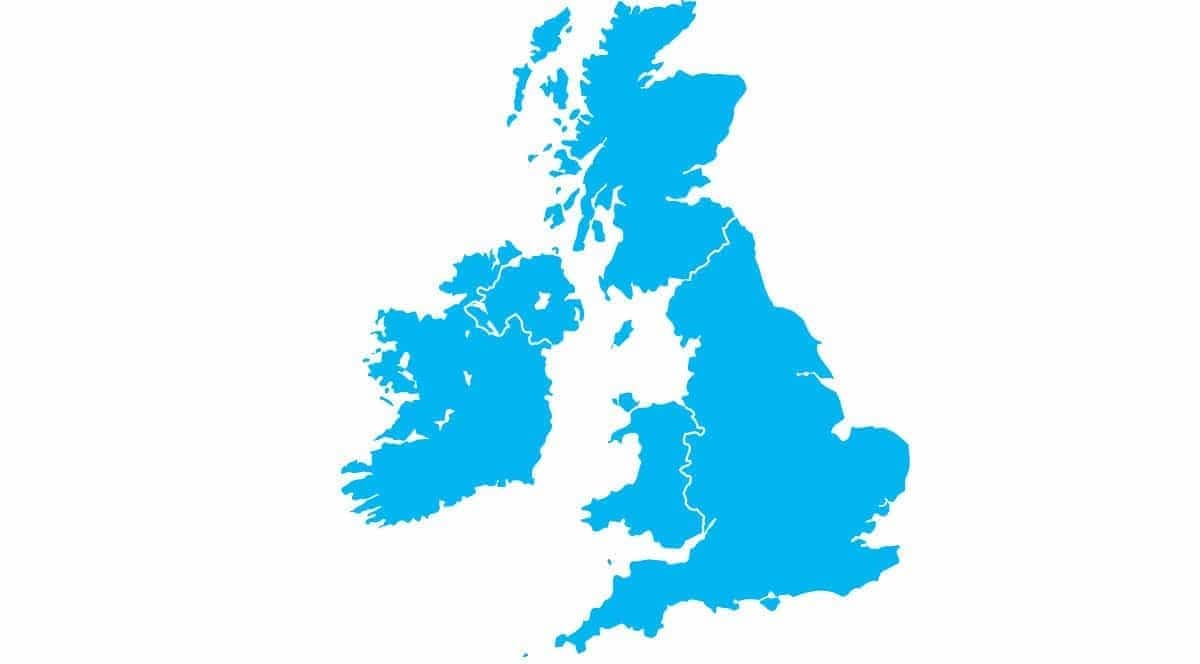
Although the Green Paper is a Westminster government consultation on English HE, the implications for the devolved administrations mount up rapidly. For the wonk based in Edinburgh, Cardiff or Belfast this is not a consultation to be treated as a foreign curiosity.
This article is more than 10 years old
Analysis|
David Kernohan is Deputy Editor of Wonkhe
Although the Green Paper is a Westminster government consultation on English HE, the implications for the devolved administrations mount up rapidly. For the wonk based in Edinburgh, Cardiff or Belfast this is not a consultation to be treated as a foreign curiosity and many will be contemplating formal responses at an institutional or national level.
The shortest section, on research, presents the most issues. Research councils make awards UK wide, and the REF informs dual funding allocations across all four national funding councils. To radically change either or both these without agreement across them all is nearly impossible – and the paper makes it clear that this section is a UK-wide consultation.
The other sections are as specifically English as drinking a warm beer in the morning mist whilst cycling through old maids – but take care, because UK-wide implications abound. For instance, institutions will all want to increase fees by inflation – indeed, many have already queried why the fee cap has not already been increased by what amounts to a “cost of living” each year. Even in Osborne’s great slump, the fact that this hasn’t happened amounts to a real terms funding cut. So there will be huge pressure on other funding councils to match this increase – and the fact the that the first iteration of TEF is based on the (UK) Higher Education Review makes for a compelling argument to match the entire policy.
Beyond year one of TEF things start to break down. The massive bureaucratic load of the higher TEF levels may outweigh both reputational and financial benefits (the paper talks about “real terms” which doesn’t sound like a huge amount), so less institutions may want to make the case for their inclusion (even, perhaps, in England). But all will want to see fee increases in common with England, though the money may not be there in DELNI, SFC or the increasingly precarious-looking HEFCW. Devolved bodies may also be less committed to yet another doomed attempt to establish competition on price via a fees raise.
With HEFCE gone, at least in name, there may be an expectation for similar changes elsewhere. OFFA is England-only, but the quality assurance statutory functions are held by all four funding councils and vested in the QAA. Responses to this summer’s QA consultation are already in, but the green paper adds the expected steer that QA will use the same raw materials (in terms of metrics, at least) as TEF. Makes sense in England, but would Scotland, Wales or Northern Ireland want a QA system based on whatever the TEF becomes – especially with the ink barely dry on the first (and possibly only) batch of QAA Higher Education Reviews.
Thinking regionally however, it is notable that the “northern powerhouse” and “midlands engine” do not yet extend to HE – there is no real regionality to teaching or research plans despite obvious differences in social mobility, enterprise and employment levels around the country.
Comments
New comments will come back with sign-in later this year.
Related articles

Whose universities are they anyway?
Jim Dickinson | Analysis | 4/09/26
We say we value diverse research, but can we assess it?
Ola Thomson | Analysis | 27/08/26

Accommodation matters, for foundation year students too
Wendy Ashall | Analysis | 26/08/26

Going deeper: Student loans, public expenditure and the devolution funding gap
Jim Dickinson | Analysis | 25/08/26

Weekend delivery rules won’t be judicially reviewed
David Kernohan | Analysis | 12/08/26

Admission testing needs proper oversight
Beth Hocking | Analysis | 23/07/26