Higher Education Postcard: Imperial College London
This week’s card from Hugh Jones’ postbag shows a creation of the City of London, to be found a few miles to the west
This article is more than 4 years old
Comment|
Hugh Jones
Hugh Jones is a freelance HE consultant. You’ll find a daily #HigherEducationPostcard if you follow him on Bluesky
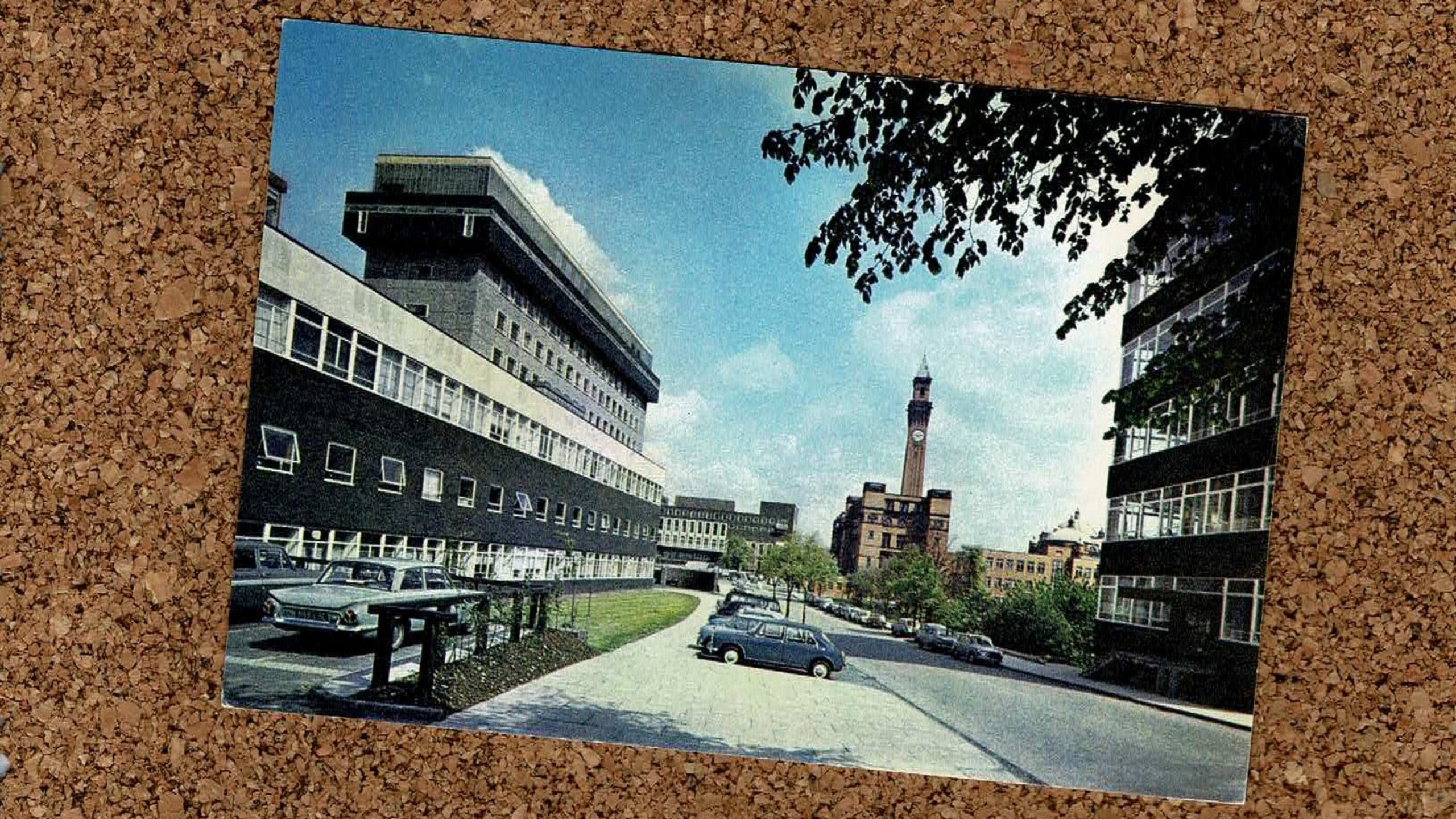
Greetings from South Kensington!
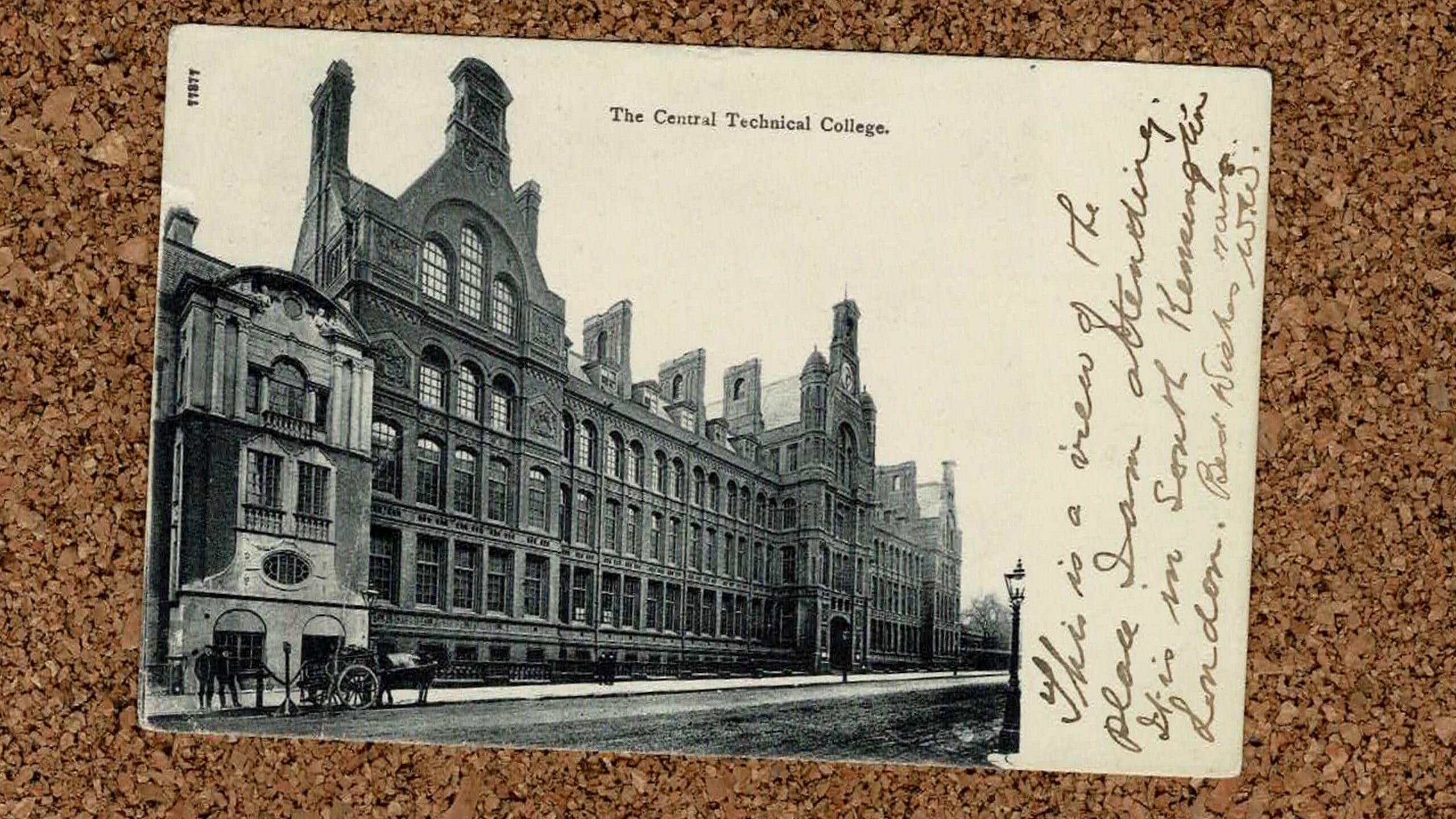
Today’s card shows the Central Technical College – this was a college established by the City and Guilds Institute.
This grew from an initiative of sixteen of the London livery companies to promote technical and engineering education. The Institute they created – the City and Guilds of London Institute for the Advancement of Technical Education – could not find a suitable space to build a college within the City of London, but South Kensington offered a temporary home.
As so often in life, temporary becomes permanent, and the Institute agreed – following pressure from government – to build a permanent site in South Kensington, on the site purchased following the 1851 Great Exhibition.
This was bought by the exhibition commissioners to create a permanent home for the purposes of arts and science in perpetuity – and it is why we now have the glorious agglomeration of the South Kensington Museums, as well as the educational institutes established nearby.
The building shown in the card was designed by Alfred Waterhouse, who also designed the Natural History Museum, and located next to the Royal School of Mines and the Royal College of Science.
Early 20th century governmental worries set the scene for the next step in our short history. In 1904, prompted by a concern that Britain was falling behind Germany in its science, a governmental committee considered the future of the Royal School of Science, and recommended the creation of a single institute unifying the Royal College of Science and the Royal School of Mines, which were both under government control, and if possible the Central technical College.
And so Imperial College was created in 1907, formed from the two Royal Schools. It joined the University of London in 1908. The Central Technical College became part of Imperial College in 1910.
For much of its existence, Imperial operated as a federation of colleges, with the Royal College of Science, the Royal School of Mines, and the City and Guilds Institute (as it became known) continuing to exist within the Imperial umbrella. This ended in early in the 21st century, when the Central Technical College formally ceased to exist.
Imperial left the University of London after gaining its own degree awarding powers in 2003. 80+ years earlier Imperial students had petitioned for the College to become an independent university; the issue was forestalled at that time by the University of London compromising to address the underlying issue (about assessment.)
The card was sent in October 1905 by WW to Mr Sugden in the Transvaal.
If you’ve got a request for a particular university to feature, please let me know – in the comments, or on Twitter. There’s a fighting chance I have or could get a suitable card …