The government is serious about winning the culture wars – universities need to be ready
With legislation in the offing for free speech, Ed Dorrell argues that universities need to get serious about the coming culture wars.
This article is more than 6 years old
Comment|
Ed Dorrell is a director at Public First and previously deputy editor of TES
Over several years there have been many examples of the worlds of politics and academia failing to understand one another. It can sometimes feel like they are wilfully speaking different languages.
But this problem has rarely been more pronounced than in the latest example of these worlds colliding.
On the issue of “academic freedom of speech” – a catch-all into which we can bundle the perceived silencing of right-wing dons, no-platforming and rows over then naming of buildings after historic figures – universities and ministers can almost appear to have a pact of mutual misunderstanding.
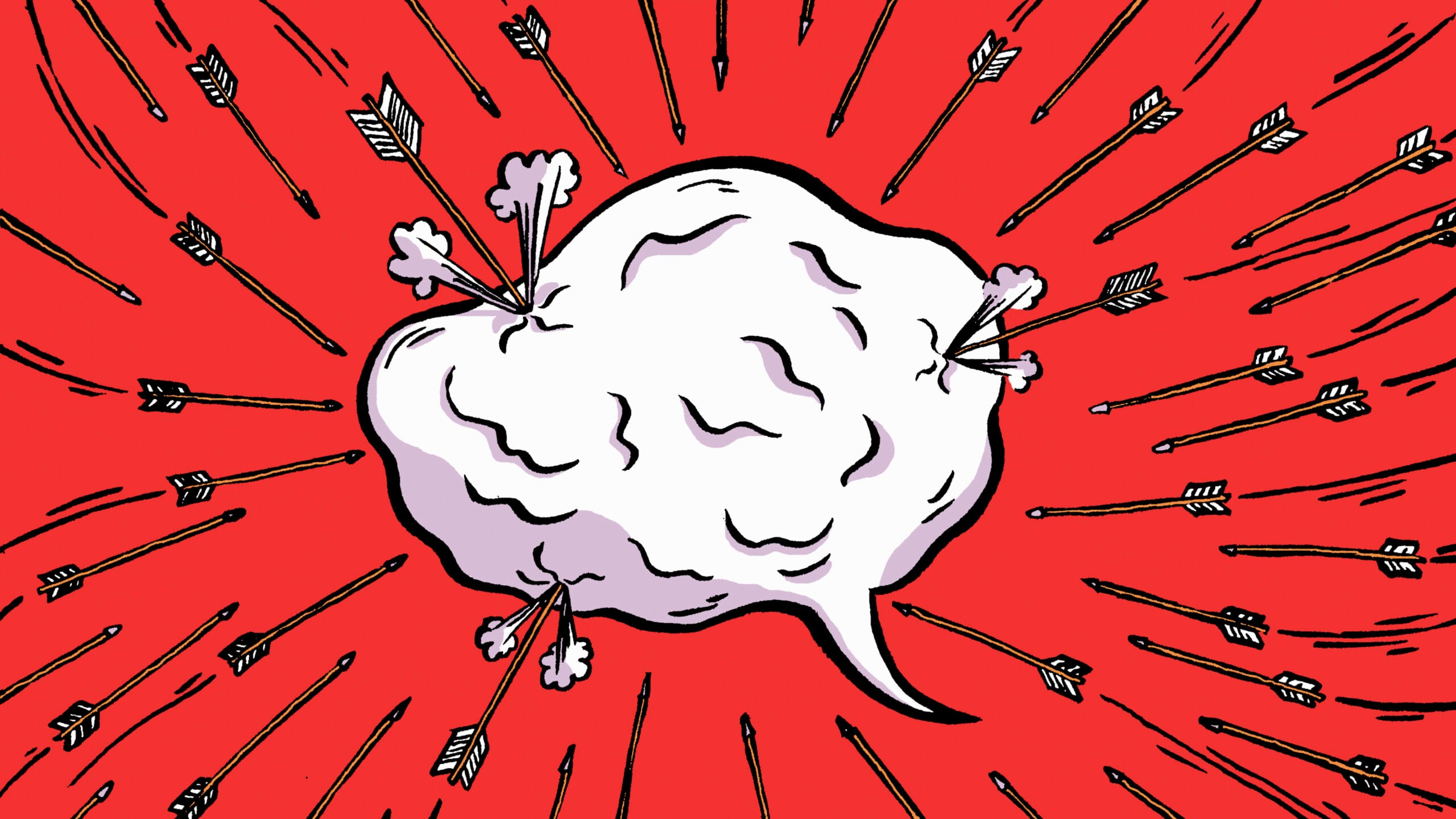
It is, of course, understandable to see these many of these controversies as little more than the latest in a long history of campus scraps dating back to the 1960s, the fall-out from which will inevitably pass. But to the government and its supporters, they are a key battleground – perhaps THE key battleground – in an escalating culture war. And it’s one that they intend to win.
To ensure victory, the government will use every political lever it controls – and, yes, that includes legislating. If anyone wants to see how such a new law might work (or not work, depending on your perspective), then the best place to start is this report from right-leaning think tank Policy Exchange, which was published in the summer. To be clear, the threat of legislation is real and very near.
Behind the scenes, they claim that the HE sector is not taking this threat seriously. They believe that their well-publicised concerns about university authorities allowing a culture to take on campus – one that sees their allies having their invitations rescinded (or even “cancelled”) by student organisations and right-leaning academics (especially those sympathetic to Brexit) being overlooked or even silenced – have been dismissed out of hand.
Nor do they accept the not-unreasonable argument that they often get as feedback from HE bosses: that student unions are wholly independent organisations and that there is nothing universities can do to control them.
All of this is exacerbated by a strong feeling from the Brexit wing of the government – which is, to be clear, under Boris, is pretty much the whole of the government – that academia hates them. They argue they are handing over billions and billions of taxpayers money – the very taxpayers who voted for Brexit – to a bunch of people who dismiss their ideas out of hand.
Quite how one dials this issue down – or changes the perception – is something that would need to be worked through, but what is certain is that universities must be under no illusion that the political positioning and soundbites they see and read are not simply Westminster posturing: the government is preparing to act.
None of this, I hasten to add, is to suggest that the Conservative critique of universities is an accurate one, but instead to alert the sector to the fact that it is not something that is about to go away. It is real, it is heartfelt, and it is likely to be baked into statute very, very soon.
So how should the sector respond to this threat? Firstly, it should endeavour to speak a language that the minister might understand. One way to do this would be throw itself headlong into the government’s “levelling up agenda”.
Of course, universities already do a vast amount for their host towns and cities and drive economic development and local prosperity, but they must also try to place themselves at the centre of the conversation about improving the lives of those who live in the satellite towns beyond their immediate horizons. For many universities, this means constituencies in the Red Wall that turned blue.
If universities can make themselves central to this conversation, then they might no longer be seen as an enemy to defeat, but instead an essential ally.