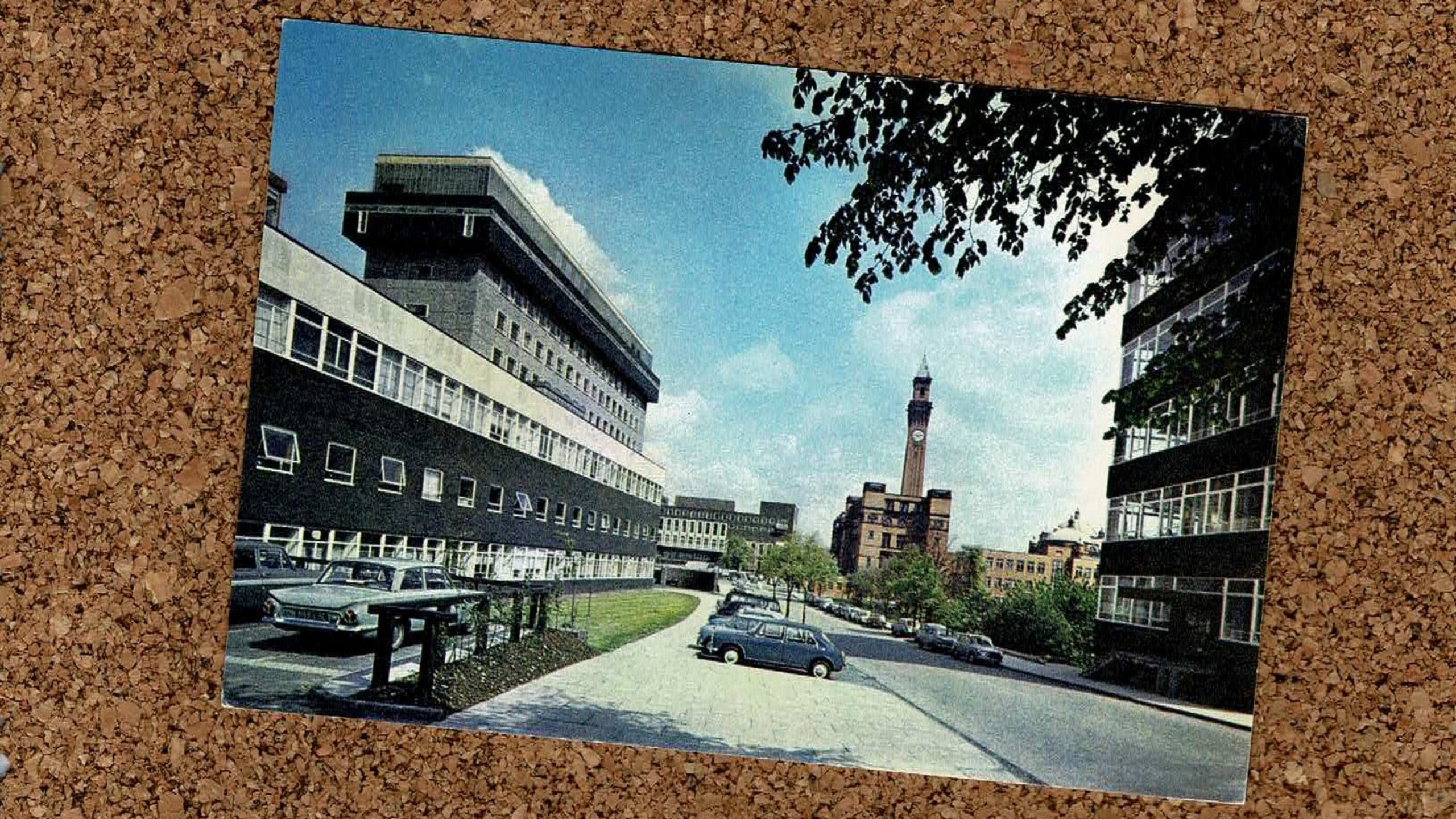
Universities were built for academia, not training
University as a blanket prerequisite for careers is bad for everyone, argues Elisabeth Barrett
This article is more than 4 years old
Comment|

Elisabeth Barrett
Elisabeth Barrett is VP Learning at Multiverse
Universities are great places. They are the forefront of research and innovation, the home of rigorous academia, and an opportunity for learners to truly immerse themselves in a subject area they care about.
But it’s no secret that, right now, higher education is facing heat. Students are demanding more bang for their buck, while policymakers pile on the pressure to be everything for everyone. The problem isn’t what universities are or what they should be. The issue is what we have expected of them and what they have become.
Universities have become gatekeepers of great careers, and degrees - commonly understood to be the key to unlocking the best opportunities in the working world – have nearly exclusively been issued by institutions rooted in academics and theory.
This isn’t right, and people inside and outside the university system can agree that this isn’t what a university education was created for. Universities were built for academia, not training. Enhanced employability is a side effect of university education, but not its purpose.
Round and around
This is a self-perpetuating cycle - employers needlessly demand a degree as a prerequisite for a career, so more career-minded young people choose university as their first port of call after completing their schooling, and more demand is placed on universities to become a training ground for jobs.
The university degree then represents not proof of work readiness, but rather an entry ticket into an exclusive academic world.
If this is the way we think about higher education, it is programmes with lower employability or fewer directly applicable skills (like the humanities) that face the harshest cuts and the fiercest scrutiny. But this is not what they were designed for.
We need to create more pathways into exceptional careers, and we need programmes directly aligned to what people are being trained for. That should be a priority for all of us in education - and something welcomed by HE leaders. Pathways that are equitable, and offer bespoke experiences tailored to individual learners.
This shift can’t happen overnight. One of the things holding back change is the amount of weight currently placed on degrees. Far too many job listings needlessly require a Bachelor’s Degree - in any subject - to offer proof of employability. And yet we haven’t had meaningful alternatives to signal that readiness.
Over time, I believe we will see more and better ways to assess readiness in context. For now, if a degree is the key required to unlock myriad jobs today, isn’t it right that it could be awarded in different ways, by providers offering new and innovative things? This shift has already begun through providers such as the London Interdisciplinary School or the Dyson Institute.
New Degree Awarding Powers - which we at Multiverse were recently granted - enable us to offer that key through apprenticeships.
Merit and potential
Multiverse runs a rigorous application process that protects students' interests and the integrity and value that degrees hold - but that is based on merit and potential, rather than less meaningful indicators of future performance. Grounded in real-world application and a well-rounded view of what success requires, the Multiverse opportunity is one of innovation and designed to keep up with the pace of change.
Our degrees will be starkly different to the ones offered by university. Instead of academic degrees, they will be firmly Applied Degrees. And these Applied Degrees are deliberately different from the academic degrees offered by universities.
Students - or, more accurately, apprentices - learn on the job, not in the classroom. Skills are tested, not in the exam hall, but in real life. We test for what you can do - not what you’ve memorised. And importantly, apprentices leave not with debt, but with a salary, job experience and proof that they are prepared for the world of work – because they are already in it.
University as a blanket prerequisite for careers is bad for everyone. It's bad for young people, who risk being pushed into university against their instincts. But it's also bad for the higher education sector, who will continue to face scrutiny over employability at the expense of the academic experience. Any attempt to right that wrong and build more and diverse pathways into careers is a thing worth celebrating.