Student experience must be at the heart of the new International Education Strategy
Anne Marie Graham calls for measurable objectives to ensure international students receive a world-class experience while in the UK
This article is more than 1 year old
Comment|
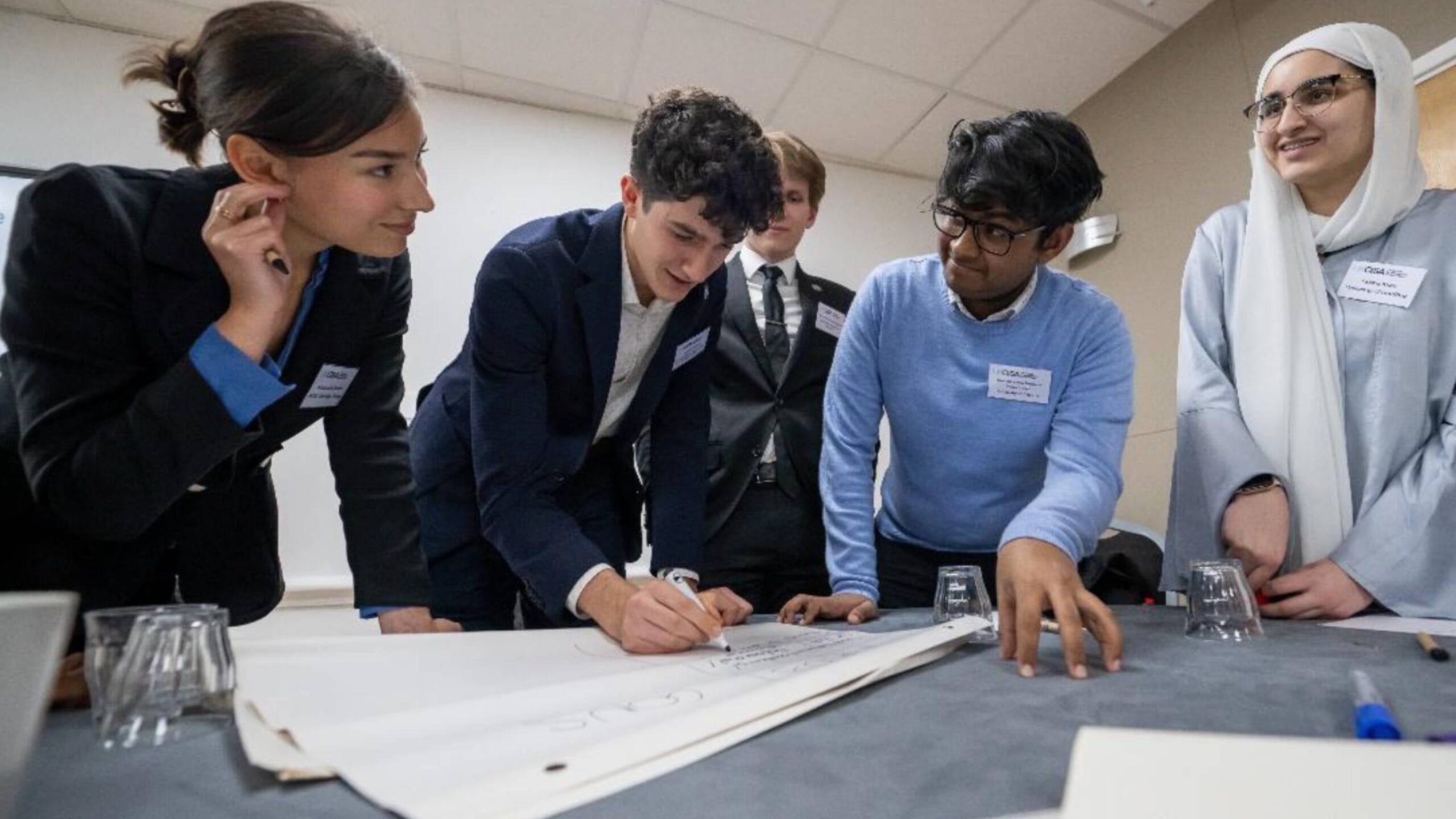
Anne Marie Graham is Chief Executive of UKCISA.
At the All-Party Parliamentary Group for International Students event in the House of Lords to celebrate International Students’ Day 2024, Baroness Jacqui Smith reiterated the government’s commitment to welcoming international students to the UK.
She celebrated the contributions of international students and stated her aim to do everything to support them to succeed in their studies and future careers.
This high-level messaging from the Minister and Secretary of State is a welcome change to the increasingly negative narrative of the previous government, but messaging must be supported by action to be effective.
The continued commitment to the Graduate route is an important example of consistent policy that underpins this messaging, one which will help enable international students and graduates to consolidate the skills and expertise they develop during their UK education.
What is needed now is a commitment to measure the impact of the route, along with other aspects of the international student experience.
The UK Council for International Student Affairs (UKCISA) is therefore advocating for robust measurable objectives around the international student experience to be at the heart of the upcoming International Education Strategy (IES).
Experience matters
Given the current challenges to recruitment and the importance placed on “education exports”, it is easy to overlook the importance of the student experience to the success of an international education strategy. Moreover, the international student experience is not just immigration.
At UKCISA, we hear from students about all parts of their journey, and what affects their studies and life in the UK. We know that a positive experience is not only important to the students themselves, but to the success of internationalisation on and off campus, which benefits everyone, including home students, academics and the local community.
It can’t hurt those recruitment targets either, as a happy student or alumnus is the best advocate.
One of our #WeAreInternational student ambassadors reminded me of this recently. Melody Noella Sequeira landed in the UK for the first year of her degree and found herself in a COVID quarantine for 14 days, followed by months of easing and tightening of restrictions.
From this challenging start, Melody came to volunteer in hospital wards to provide social support to patients away from home, which gave her purpose, comfort, and community. She also came away with tips and recommendations on local culture, such as attending a ceilidh and eating some shortbread, and was able to give back with stories about growing up in Dubai. For her, these experiences beyond an online or socially distanced lecture hall made all the difference to her time at university in the UK.
The new government indicates a welcome move towards more evidence-based policymaking. The IES is an unmissable opportunity to include objectives and related metrics for the international student experience, and ensuring that international student voices, like Melody’s, help to shape a meaningful, sustainable strategy beyond income and recruitment targets.
As Wonkhe’s recent article so helpfully reminded us, there has previously been ministerial direction to focus on the quality of education and student experience, with Secretary of State Gavin Williamson writing to the Office for Students in September 2019 that “it is critical that international students receive a world-class experience”.
Student experience is already the cornerstone of many similar strategies around the world, from Ireland’s commitment to an International Education Mark and Code of Practice, to New Zealand’s International Student Wellbeing Strategy and Latvia’s annual international student satisfaction survey.
The 2021 refresh of the current IES committed to enhancing the student experience, following the advocacy of our #WeAreInternational Student Ambassadors and members during the pandemic, but it was missing the means to measure the success of this commitment.
Yet there is a wealth of evidence, examples and guidance available to form the foundations of any commitments to the student experience in the UK in the new IES.
Committing to a world-class experience
From pre-arrival through to post-graduation, Universities provide a range of activities and guidance to help international students adapt to their new environment from navigating academic life, social norms and the rich cultural and linguistic differences across the regions and nations of the United Kingdom.
Surveys such as WhatUni and the AdvanceHE/HEPI student satisfaction survey can help us draw out the experiences of international students.
There is also guidance from students themselves, in the #WeAreInternational Student Charter. UKCISA supported its #WeAreInternational Student ambassadors to develop this in 2022 with the input of students and staff from across the international education sector in the UK, in part to help support government and the sector measure its success.
The Charter provides five principles to guide an institution’s support for and work with international students. Two years on, we can see how institutions across the UK are guided by these principles, and how the Charter can provide a framework for evaluation metrics as well as a vehicle to demonstrate the quality of the experience our sector offers its international students.
UKCISA’s #WeAreInternational Grants Programme helps to illustrate the breadth of this work.
Last year, Swansea University aimed to enhance the career prospects of international students and support local businesses through targeted pre- and post-enrolment opportunities.
Kings College London conducted research to understand the barriers to use of assessment rubrics, talking to international students about the challenges they faced and making recommendations about how course rubrics can be adapted. Both projects involved international students from the start and sought continual involvement and feedback in creating and changing initiatives to support their needs.
Amongst all the numbers and the media headlines, we continue to be reminded that there are an incredible group of people who are leaving their homes and families to take a life-changing step to enhance their skills, forge a new community and fulfil their ambitions of studying in the UK. This week we’ve announced the appointment of our 2025-2026 cohort of #WeAreInternational Student ambassadors.
During the application process for this influential leadership programme we heard from 272 international students from 52 countries about the most pressing issues affecting them – the high cost of living, lack of affordable housing and work opportunities, all impacting their mental health and experience of studying in the UK.
A panel of judges from across the education sector chose the eight ambassadors who will be joining the programme for 2025-2026. They will share their stories to advocate for a fair and equitable International Education Strategy, one that promotes and evaluates the student experience to ensure all international students have a positive time in the UK.