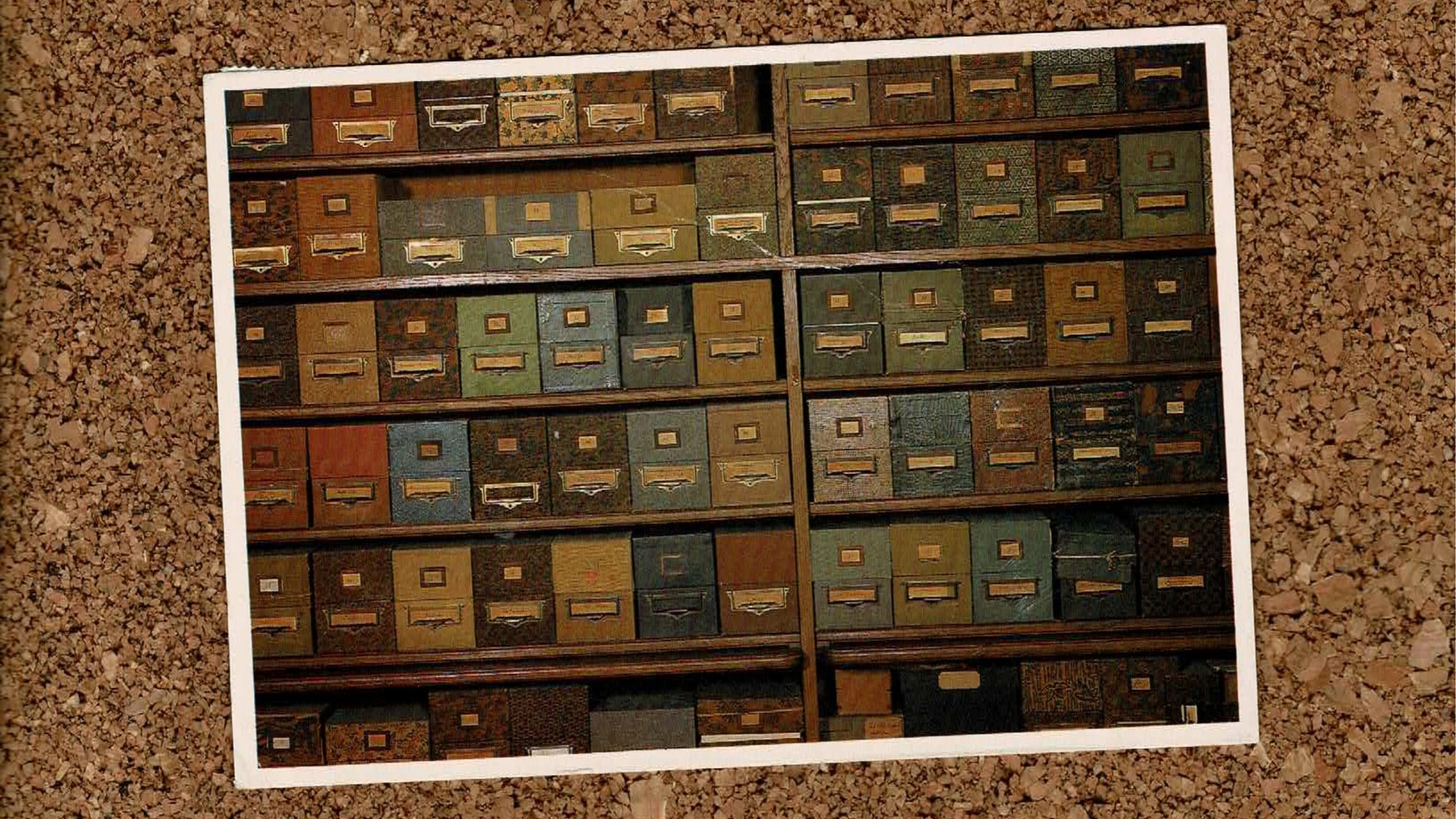
Higher Education Postcard: University of Wolverhampton
Hugh Jones’ postbag today brings a card from the home of Britain’s first traffic lights.
This article is more than 4 years old
Comment|

Hugh Jones is a freelance HE consultant. You’ll find a daily #HigherEducationPostcard if you follow him on Bluesky
Greetings from the West Midlands!
This fine card shows the Wolverhampton and Staffordshire Technical College – once a mechanics’ institute, now the University of Wolverhampton.
Our story begins with the establishment of the Wolverhampton Tradesmen’s and Mechanics’ Institute in 1827. As well as offering classes, the institute ran a library until 1845, and also went by the magnificent name of the Wolverhampton Athanaeum and Mechanic’s Institute.
In 1868 it closed its doors, the shares transferring to the Mayor, Aldermen and Burgesses of the Borough of Wolverhampton. The educational work continued under the Borough’s auspices via the Wolverhampton Free Library, which opened in 1870.
In 1926 the Free Library became the Wolverhampton and Staffordshire Technical College. The rather magnificent Wulfruna Building, shown on the card, dates from this period. It offered courses in several branches of engineering; architecture and building; applied science; foundry trades; commerce; music; social and general studies (including drama); and domestic science and catering.
In 1951 it was renamed the Wolverhampton and Staffordshire College of Technology, and there we shall leave it for the moment.
A parallel development was the establishment of the Government School of Practical Art for Wolverhampton & South Staffordshire, which opened its doors in 1854. This became the Municipal School of Art in 1885; it shared premises with the Art Gallery, and in fact they were one and the same institutions until 1945.
We can now draw the threads together: in 1969 the College of Technology and the School of Art merged to form the Polytechnic, Wolverhampton. Like a large planet attracts passing asteroids, so the Polytechnic attracted other institutions.
In 1977 the Wolverhampton Teachers College for Day Students, the Wolverhampton Technical Teachers’ College, and the Dudley College of Education were incorporated into the Polytechnic and formed a Faculty of Education. And in 1988 the West Midlands College of Higher Education merged with the Polytechnic, which became known now as Wolverhampton Polytechnic.
In 1992, Wolverhampton Polytechnic became the University of Wolverhampton. The Wulfruna Building is still the heart of the campus.
In 1957 the College of Technology won a competition to rehouse a digital computer which had been designed in 1949 and operated since 1951 at the Atomic Energy Research Establishment, Harwell. Renamed by the College as WITCH – Wolverhampton Instrument for Teaching Computation from Harwell – it remained in use for teaching until 1973.
It is now preserved at the National Museum of Computing at Bletchley Park, and is the oldest original functioning electronic stored program computer in the world.
Related articles

Boards can’t predict the future, but they can make sure their institution is ready for it
Debbie McVitty | Comment | 19/10/26

What counts as a graduate outcome when the labour market is changing?
Angel Tan | Comment | 16/10/26

Widening participation isn’t finished while background still predicts destination
Hannah Rolley | Comment | 16/10/26