Turning students into citizens: a charter for active citizenship
A new GuildHE report shows that social action and active citizenship are an important aspect of higher education. Joy Carter argues that universities must actively demonstrate their social value and the power of community action by staff and students.
This article is more than 9 years old
Comment|

Professor Joy Carter is Vice Chancellor of the University of Winchester and Chair of GuildHE.
What is the value of higher education? What is the gain from going to university? – A degree? A job? A debt? The purpose of higher education for society and for the individual is constantly being reviewed, debated and redefined.
Increased student fees, consumer-focused league tables and regulations underpin a strategy which presents higher education as a commodity and students as clients. While universities should always represent value for money and the voice and views of students should always count, it is all too easy to forget how the marketisation of higher education and universities will always fail to capture the rich, broad and deep experiences that make up a quality higher education.
GuildHE, together with NUS, have launched a report which highlights the powerful role higher education plays in developing students as active citizens – engaged members of society who volunteer, vote and campaign to bring about change on issues they feel passionate about.
It is my belief, and one shared by many across the sector, that universities demonstrate over and over that higher education has great capacity to develop students into citizens – citizens who are prepared to challenge received wisdom, act on their principles and make valuable contributions to improve themselves, their communities, and society at home and abroad.
A Charter for Active Citizenship
It has been written before on this website that universities need to urgently rediscover their civic missions. Rising to the challenge, GuildHE and NUS are launching A Charter for Active Citizenship that identifies the different ways institutions and their students’ unions can support students to develop as citizens during their time in higher education.
The report highlights six key areas: volunteering, democratic engagement, environmental sustainability, community engagement, global citizenship and reflection and development. It explores how each can be embedded into the university experience, both academic and extra-curricular, and identifies the benefits of supporting students to become active citizens.
The benefits are many. Graduates are more likely than non-graduates to vote, be more sensitive to environmental issues and regard themselves as global citizens – cherishing values such as diversity and inclusion. They volunteer in huge numbers to the benefit of communities, as well as to themselves. Community engagement work helps to embed the student population within their localities and enables higher education institutions to realise their civic mission.
A series of case studies that highlight the exemplary work that GuildHE members are undertaking in this area: a charity set up in India by a student that helps survivors of acid attacks; a project that works with a mental health service provider; and teacher training courses that cultivate global citizenship through overseas fieldwork.
These examples are just a few of many and demonstrate the positive social impact of higher education. Projects like these need to be championed, and the citizenship agenda more firmly embedded within the curriculum.
University students have great opportunities to graduate not just with valuable academic degrees but also as engaged and active citizens highly motivated to act in the interests of society as well as themselves. It is an outstanding example of how universities and higher education are powerful forces for good. We should never lose sight of that.
Comments
New comments will come back with sign-in later this year.
Related articles

What can the higher education sector learn from the music industry about AI?
Athina Dilmperi | Comment | 23/10/26

The conditions for good collaboration won’t create themselves
Annette Bramley | Comment | 23/10/26
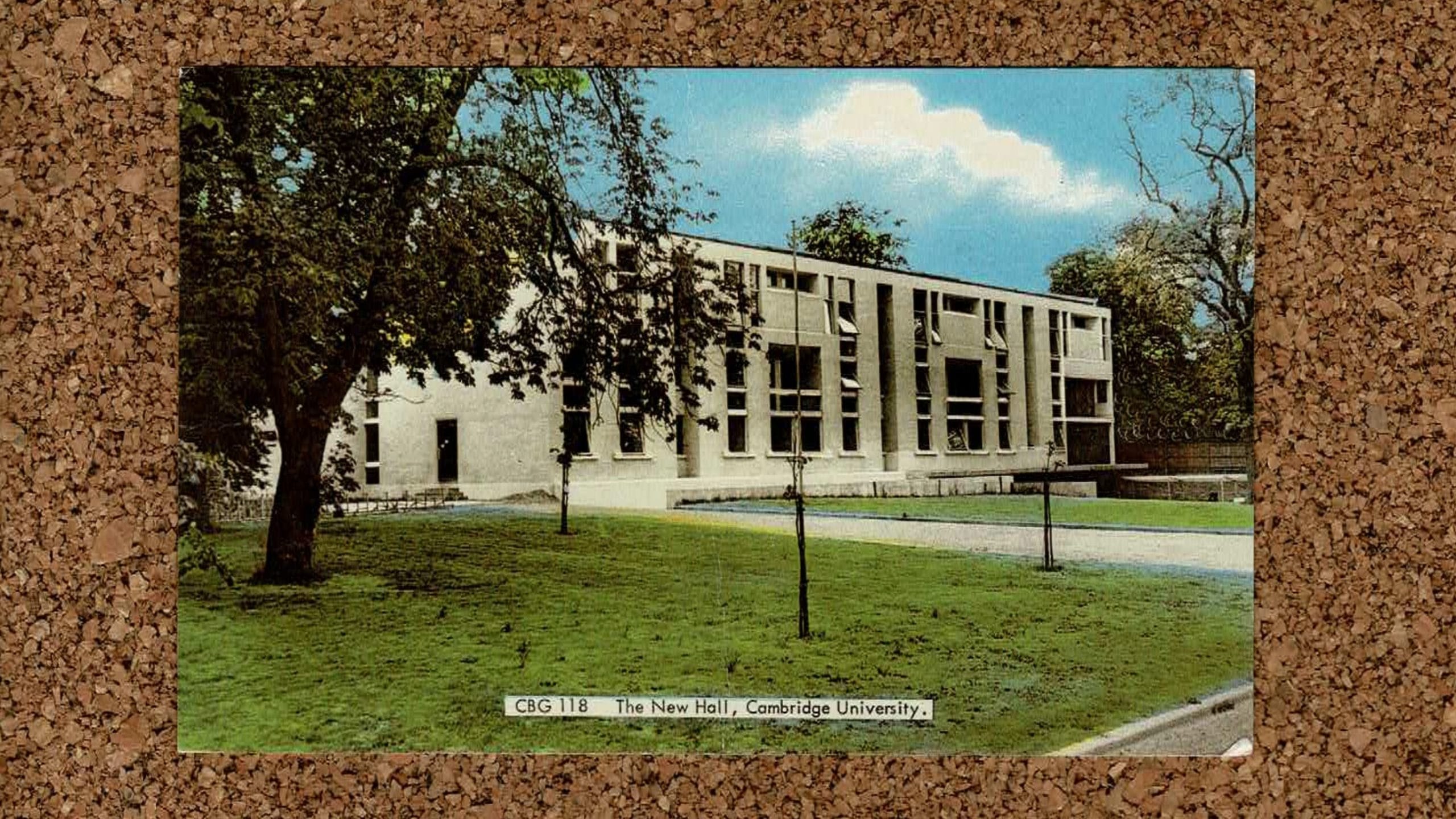
Higher education postcard: Murray Edwards College
Hugh Jones | Comment | 23/10/26

In the scramble to AI-proof assessment, fluency isn’t competence
Glenn Hurst | Comment | 22/10/26

PhD students to get parental leave, but no support with childcare costs
Kate Bowen-Viner | Comment | 22/10/26

Students of faith need more than a prayer room
Mary Hunter | Comment | 21/10/26