UK students will march for everyone except themselves
Sharanya is Wonkhe’s SUs Community and Policy Officer
As protest spreads from Paris to Turin and Belgrade, Sharanya Sivarajah asks why UK students with the same grievances haven’t moved – and what SUs can do
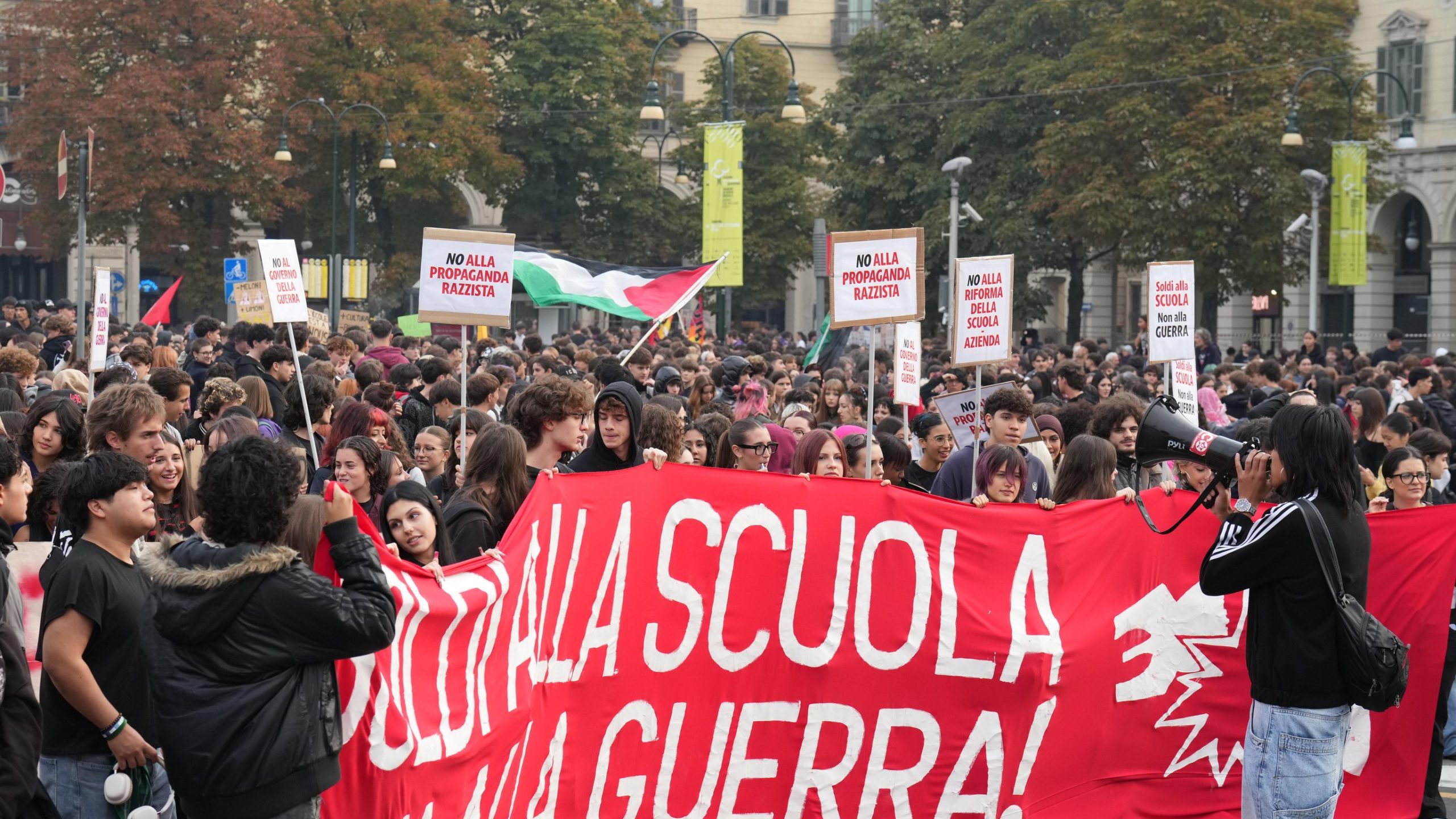
On Monday 5 October, students in Turin occupied two high schools under a slogan that translates as “let’s do as in France”.
That same day one of Italy’s national newspapers carried a comment piece asking why Italian kids don’t protest like French students.
Within ten days around 20 schools in and around the city were occupied or running their own timetables, and by early November the count across Italy had reportedly passed 100. A group of Italian students flew to Paris to stand with the French students who’d started it.
I keep coming back to that newspaper piece, because the UK is asking itself the same question now.
Three fights, one autumn
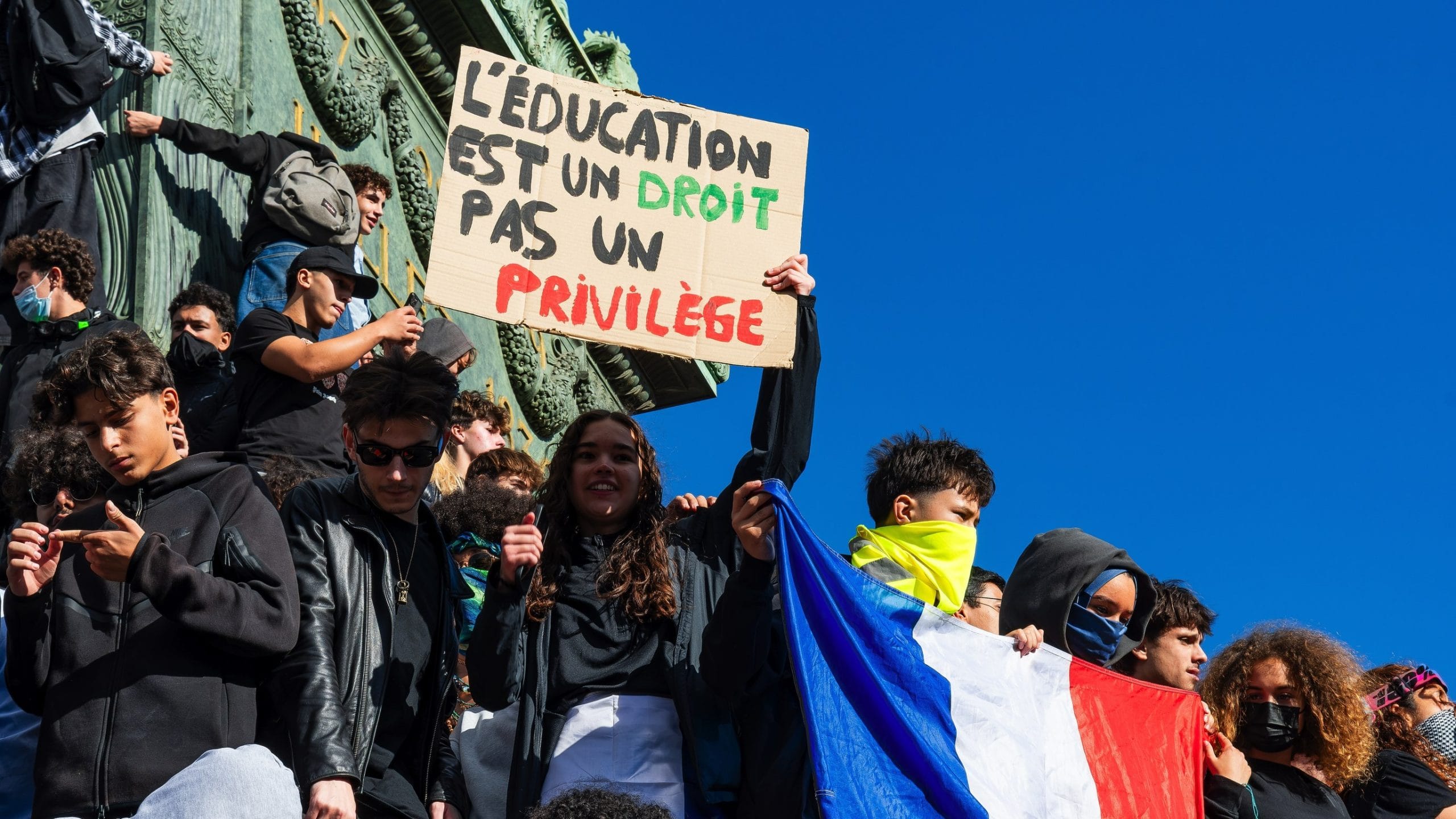
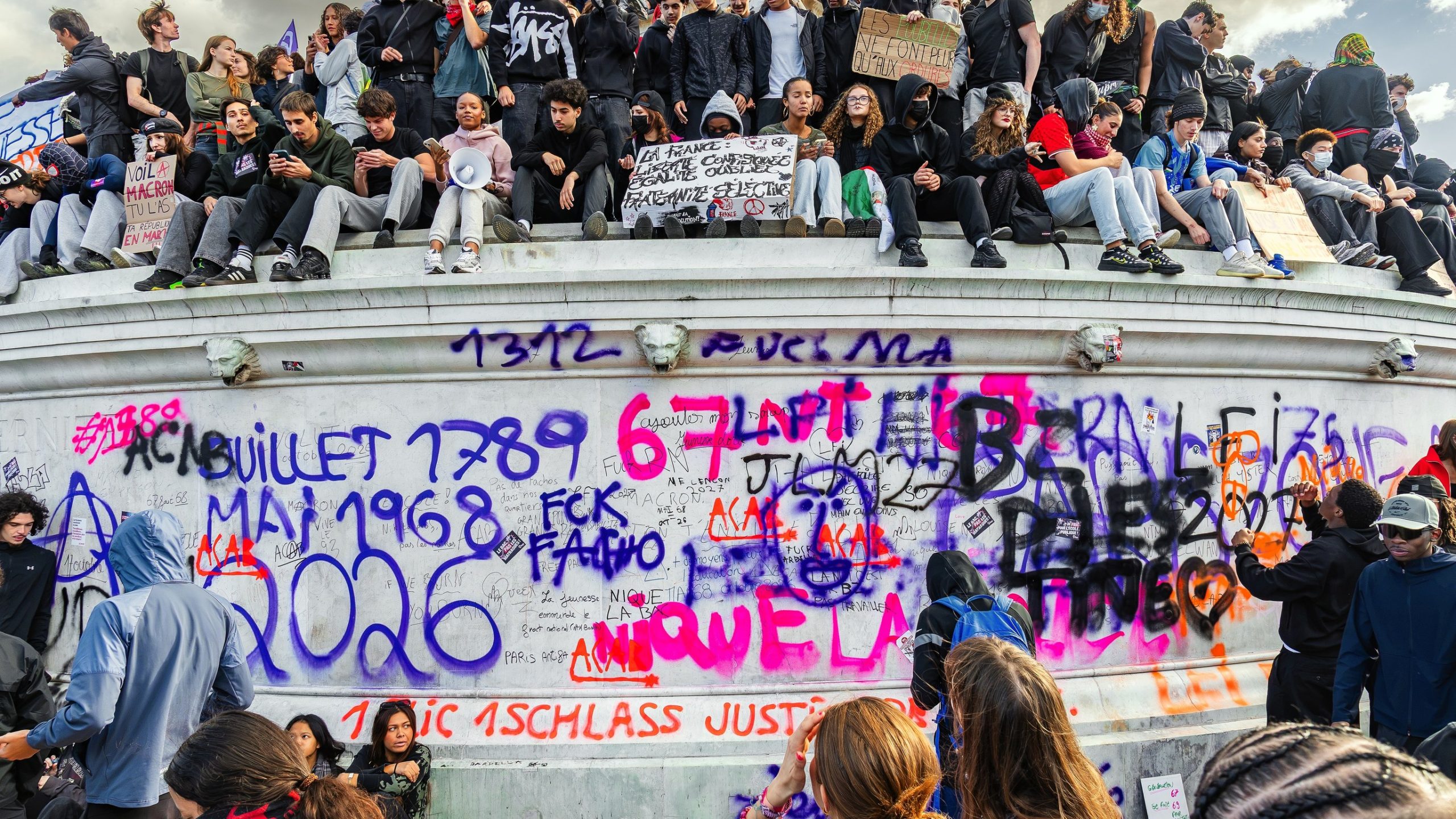
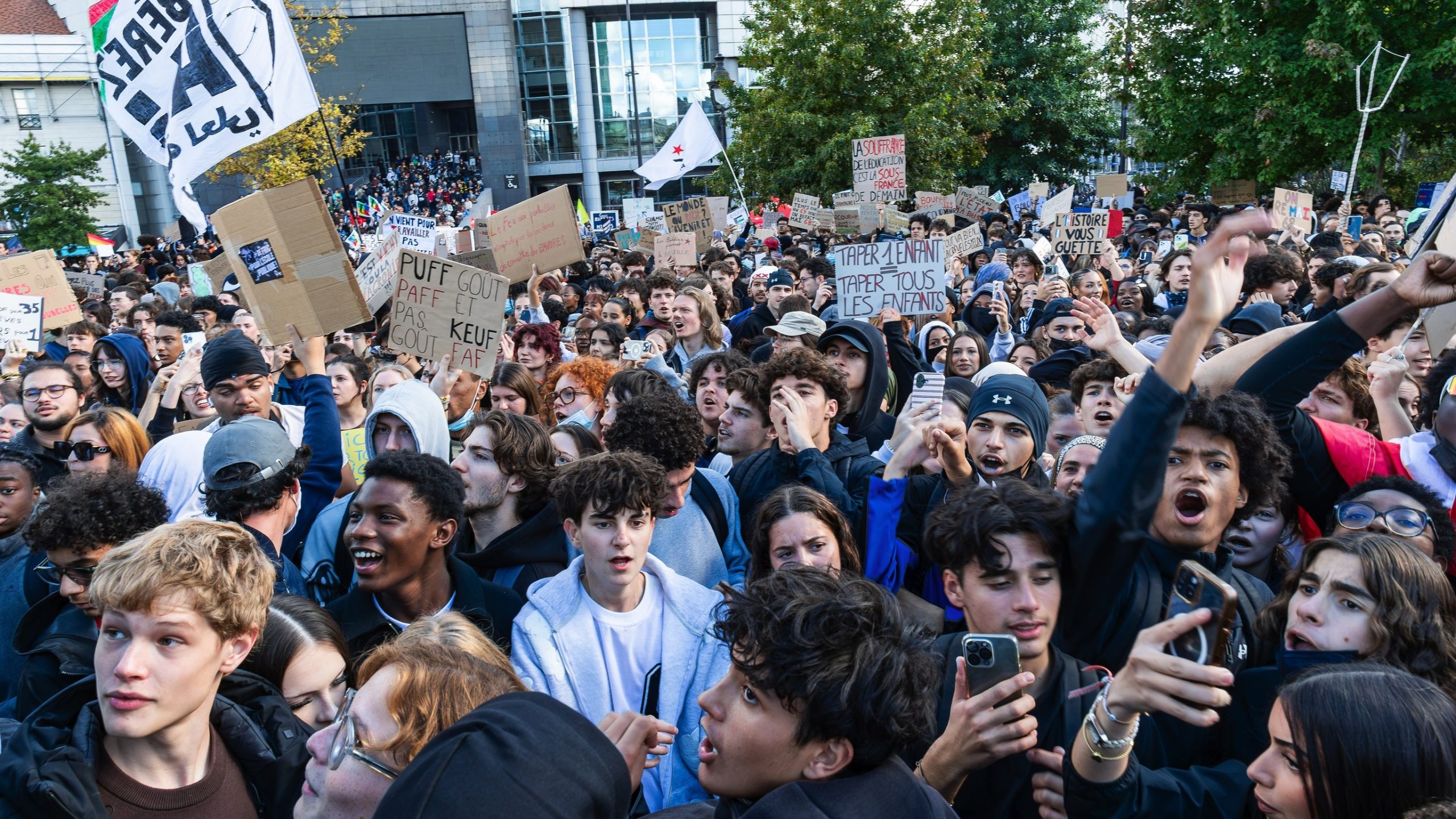
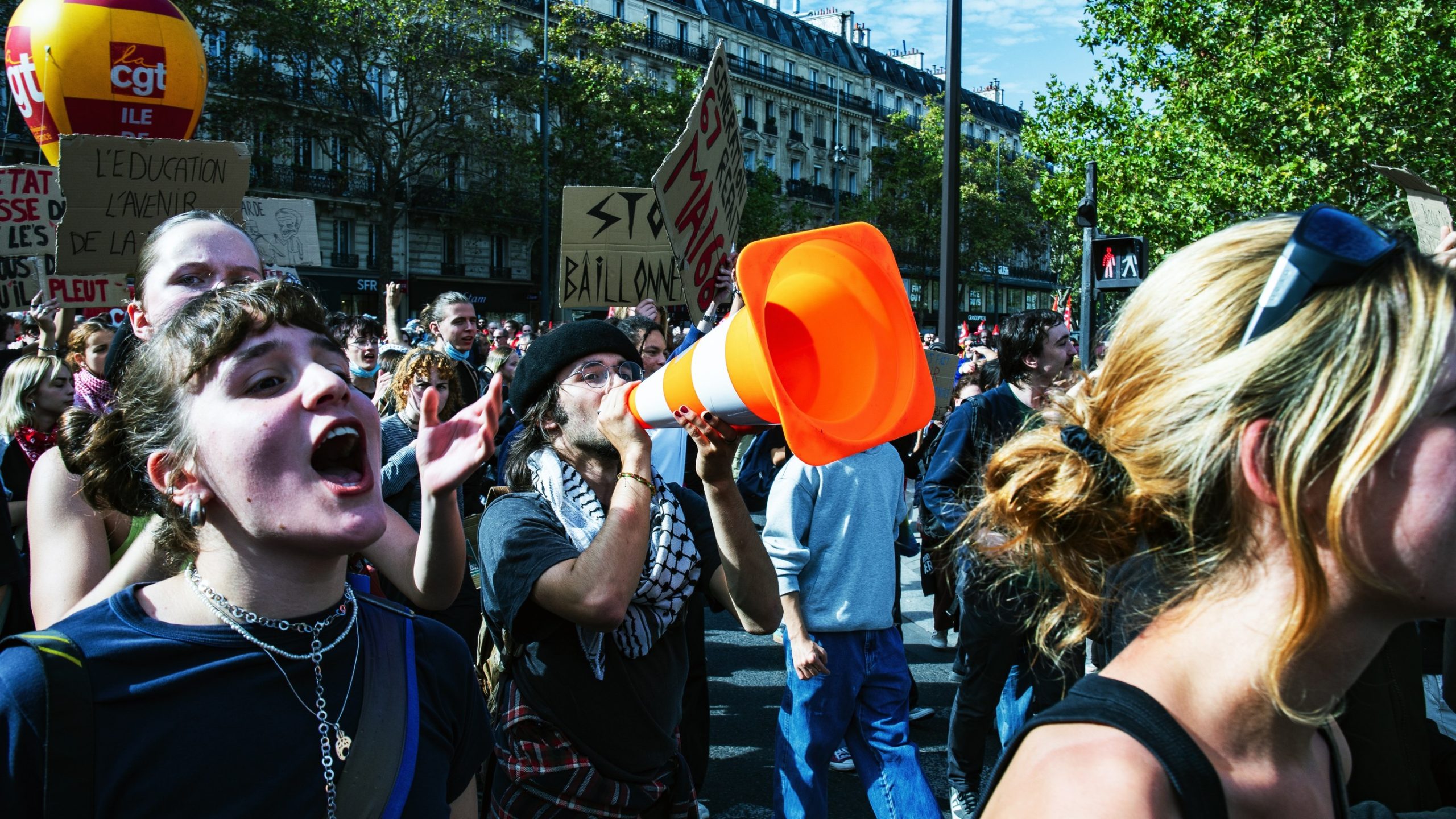
This autumn has been the busiest for student protest in Europe in years. In France, school and university students have been on the streets since mid-September, when pupils at a lycée in the Paris suburbs began blockading their school after a teachers’ strike over staffing. The interior ministry counted about 550,000 marchers on 17 October, and a general strike on 5 November drew 575,000 by the ministry’s count and 1.6 million by the CGT union’s.
It spread to Belgium within weeks, where students occupied a Brussels university building for a fortnight. Vienna and Copenhagen have seen marches over funding and grants, and students in Lisbon marched in October against plans to unfreeze tuition fees and will march again on 18 November. In Spain, student groups joined the country’s first general strike in 14 years on 11 November, called over housing. Wonkhe’s Higher Education Europe newsletter has been tracking a wave that keeps crossing borders.
The causes differ. In France and Italy the fight is over school and university budgets, in Spain, Portugal, and Greece it’s housing and fees, and in Denmark it’s a grant cut to free up money for defence. What they share is students acting on their own conditions, together, and expecting it to change something.
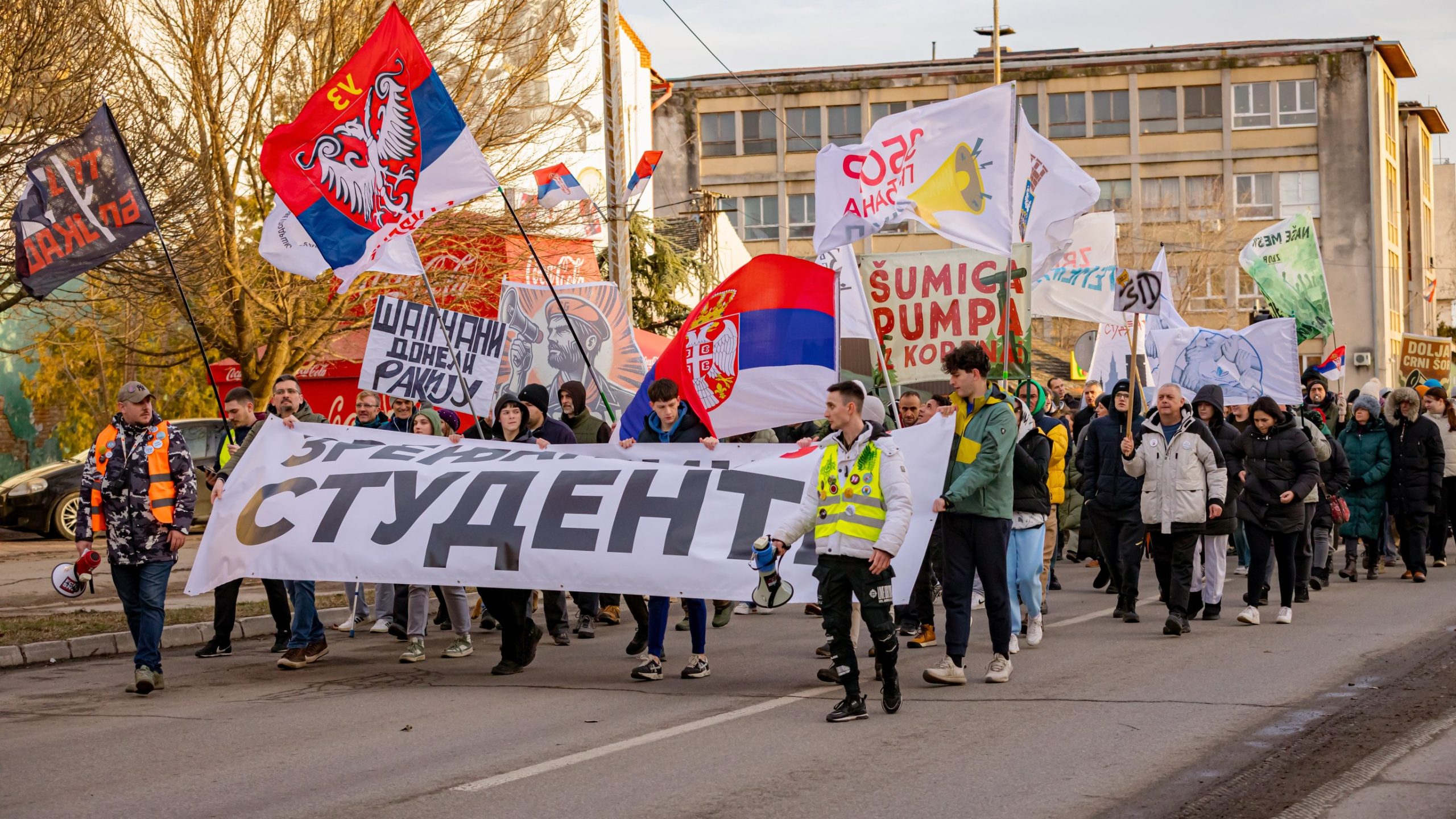
And it has been changing things. France has sent about 3,000 substitute teachers into the worst-hit schools, and Spain’s government brought in a temporary ban on evictions. In Serbia, students who spent nearly two years blockading their faculties over corruption put up a list of their own at last month’s parliamentary election and won a majority.
Plenty to be angry about
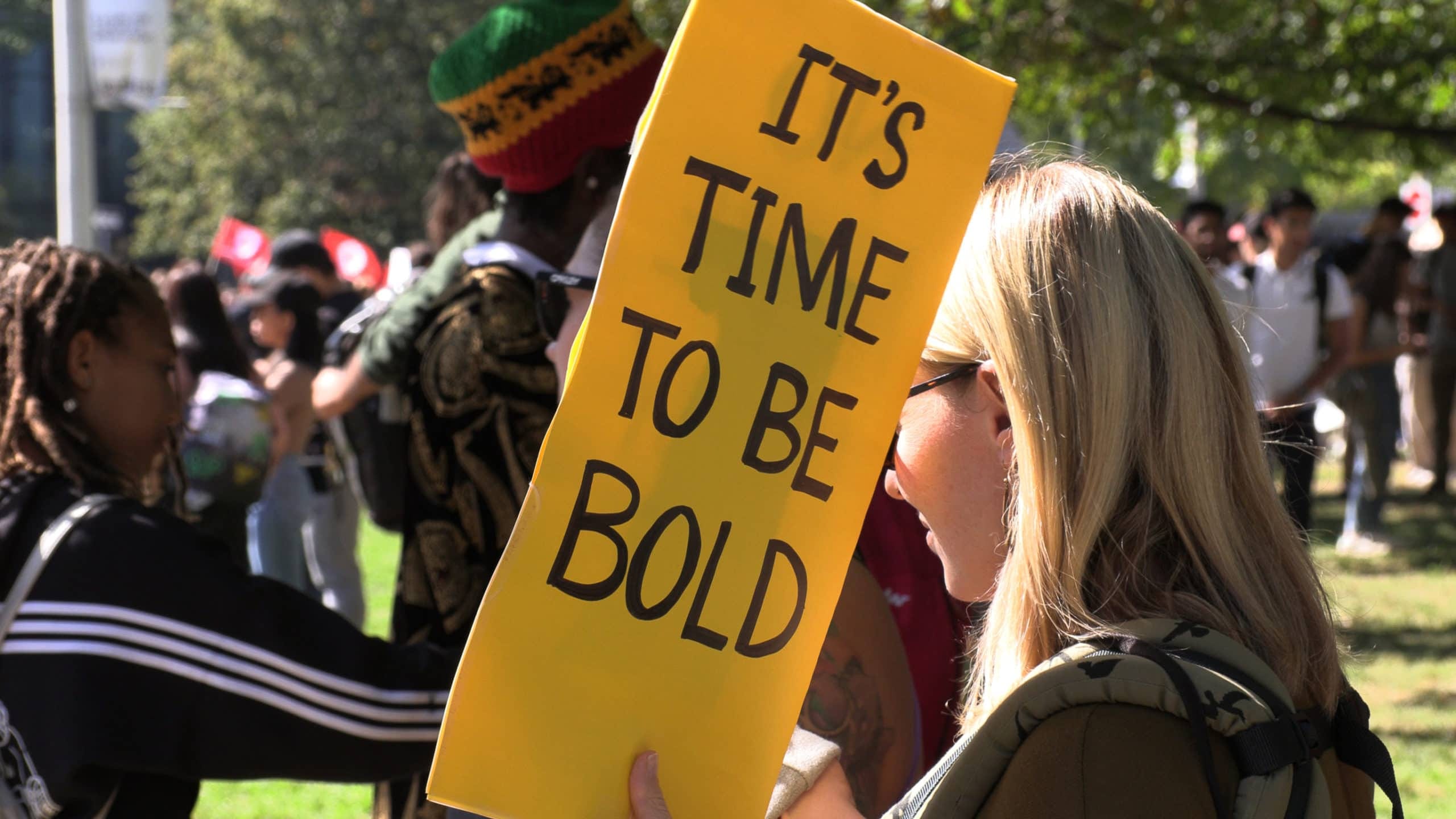
UK students have plenty to be angry about. Rent eats most of the maintenance loan, and the maximum loan in England covers around half of what students need for a basic standard of living. Courses are being cut and staff made redundant.
The autumn budget froze the Plan 2 repayment threshold until 2030, added nothing to maintenance while inflation runs ahead of it, and left the minimum wage for people aged 18 to 20 well short of the adult rate. It offered breathing space for almost everyone but students, and NUS pointed out that students and graduates weren’t mentioned in the chancellor’s speech at all.
Those are almost exactly the complaints driving people onto the streets in Paris, Rome, and Lisbon. So why haven’t they turned into a movement here?
The UK has company in asking. Finnish student leaders told Helsingin Sanomat that the French approach was “too radical” for them. A youth protest weekend in Germany on 31 October fell well short of its billing, with police in Berlin, Frankfurt, and Munich counting about 6,000 people against the 36,000 the organisers’ website had shown. And Italy was asking the same question about its own students on the day the occupations began.
So the more useful question is what has to be in place before anger turns into action, and how much of it the UK has.
Nothing to aim at
The first thing is a target. In much of Europe, education cuts land in a way you can see – there’s a date, a minister, and a number.
Danish students are marching against a bill that trims the state grant for anyone whose parents earn a middling income or more. Portuguese students know the fee is €697 and know which year the government wants to unfreeze it. Italian school students can point to a draft budget that reportedly removes 5,000 teaching posts.
In England, most of the cost sits in a loan you won’t start repaying until you’ve left. A worse deal turns up years later as a slightly smaller payslip. The cuts students do feel are mostly local, so the anger lands on their own vice chancellor and never reaches the Treasury.
Official figures don’t help. The government’s poverty measure treats the fee loan that goes straight to the university as student income, and even so 30 per cent of full-time students were in poverty after housing costs last year. Take the fee loan out and it’s 41 per cent, around double the rate for the population as a whole.
Scotland offers the counter-example. On 1 October students joined striking staff outside the Scottish Parliament to protest £140m of cuts and the closure of 90 programmes at Edinburgh. The target was concrete and they turned up.
Who calls people out
The second thing is someone to do the calling. In France the school blockades run through lycée students’ unions and the campus ones through students’ organisations that see themselves as part of the labour movement, and both have had the big union confederations striking alongside them. Italy’s largest confederation, CGIL, has called a general strike for 20 November to coincide with the students.
School students here have no union to speak of. Loic Menzies told Tes that French resistance rests on heavy unionisation that England lacks, and that English campaigns tend to run through coalitions of parents, teachers, and unions.
University students have SUs, which are charities built to run services rather than call people onto the streets. I’ve argued before that the law is more permissive than SUs tend to assume. It asks whether spending furthers students’ interests as students, and little affects students as students more directly than rent, loans, and course cuts. A lot of the caution is habit.
Patching the gaps
There’s a habit underneath that. When students here are angry about the cost of living, the SU’s instinct is to provide – a food pantry, a hardship fund, a cheaper meal, a free breakfast. I stood for SU president on some of those myself. They help the student in front of you that week, and they’re what a charity is built to do.
They also turn a political problem into a service. Italian students angry about rent pitched tents outside parliament. Students here get housing advice and, at some universities, a guarantor scheme. Each person is helped one at a time, the anger goes into coping, and the people who made the decisions never hear about it.
The memory of winning
The culture is different too. France has 1968, and Greece marks the 1973 Polytechnic uprising every 17 November. Students in Athens chant for public, free education from Greece to France, which turns a march about their own degree into an argument about what kind of society they want.
The memory that does the most work is more recent. In 2006 French students and unions spent weeks blockading universities and forced the government to withdraw a youth employment contract it had already put into law. The parents and teachers of today’s lycée students remember that it worked. Robi Morder, who studies French youth movements, told Al Jazeera that the governments of the 1990s knew how to negotiate with one.
When the occupations reached Rome, a regional coordinator of Italy’s school students’ network told ANSA that France shows “when students organise with determination, results come”. Rome’s head teachers’ association replied that occupations do nothing but damage and have never won anything. UK students mostly hear the second view.
The UK’s equivalent memory is 2010, when the biggest protests in a generation didn’t stop fees tripling. Today’s first-years were toddlers then. The memory lives in the adults around them – SU staff, NUS, university managers – and it shapes the advice students get about what’s worth trying.
The polite routes
The way we explain how change is made, including in SUs, runs through petitions, consultations, select committees, and meeting your MP. Protest is almost a last resort, something you do once the polite routes have failed, and by then the moment has usually passed.
This autumn the polite routes got a fair trial. In August 121 MPs and peers wrote to the chancellor about student loan repayments, and two days before the budget a group of 130 wrote again. The Treasury Committee had called reversing the Plan 2 threshold freeze a moral obligation. The budget kept the freeze anyway.
And that was the graduate lobby. When Westminster does notice student finance, it almost always means graduates, because graduates vote and the deduction turns up on every payslip. The two million or so people studying full time right now had nobody writing letters about their maintenance loan.
Young people haven’t given up on politics. The idea that students don’t vote has never stood up well, and although Ipsos estimates that turnout among people aged 18 to 24 fell from 47 per cent to 37 per cent at the 2024 general election, young people have since flooded into parties, with the Young Greens passing 50,000 members in April.
Elsewhere that energy is growing too. In this month’s US midterms two thirds of voters under 30 backed Democratic House candidates, one of the widest youth margins CIRCLE has recorded. Across the EU, the latest Eurobarometer on youth and democracy found 55 per cent of young people had taken part in some effort to change society in the past year, up from 48 per cent in 2024.
So the energy is there, and a lot of it in the UK is going into ballots, memberships, and letters. Those are the routes that take longest to pay out and are the easiest for a chancellor to ignore.
No mornings free
Blockades and occupations also need people with time. The latest Student Academic Experience Survey found 65 per cent of full-time undergraduates in paid work during term, averaging nearly 14 hours a week, which takes their combined week of study and work past 44 hours. The students with most to be angry about are often the ones working longest.
A 16-year-old in Créteil who lives at home can spend a morning on a picket outside school. A second-year with a shift at two and rent due on Friday can’t.
Marching for someone else
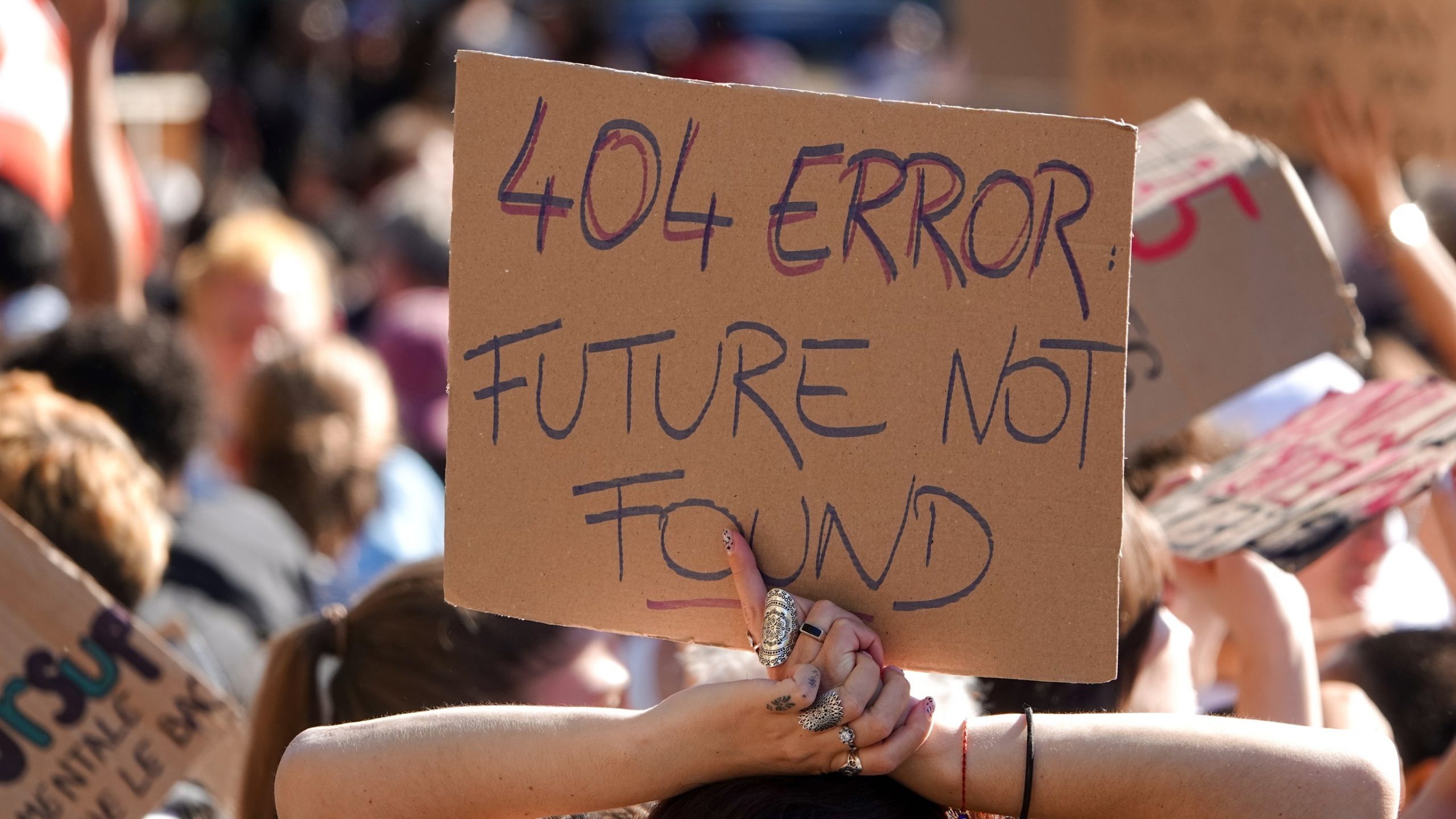
The explanation I find hardest to shake is about what UK students think protest is for. The biggest youth mobilisations here in the last few years have been climate strikes, Palestine marches and encampments, and counter-protests against the far right. All of them are about someone or something else, and all of them are existential – whether the planet survives, whether people live or die, and what kind of country this is.
That’s admirable. Students elsewhere march for those things too, and the 20 November strike itself runs under the slogan “fight for our future, not their wars”. The difference is that in France or Italy the same students will also blockade a school over class sizes, and here that second kind of protest is mostly missing.
I think a belief has taken root in this generation that organising for yourself is either selfish or pointless. Today’s students grew up in a country where the big decisions were made without them. Most were still at primary school when the UK voted to leave the EU, and they had no say in Brexit, austerity, or how the pandemic was handled.
If you’ve grown up seeing politics happen to you, it makes sense to lose faith in it delivering for you, and to save your energy for causes bigger than yourself.
How we talk about students feeds it. For years they’ve been framed as customers, so if your course is bad you complain, and if your landlord is bad you check your contract. Problems get handled one person at a time. A demand for lower fees or a better loan can be waved away as students wanting more for themselves, and faced with that it feels easier to march for Gaza than for your own rent.
Research on the 2010 protests points the same way. Alexander Hensby interviewed students who sympathised with the fees protests and stayed at home, and called them “the caring but not committed” – people who agreed with the cause and didn’t see themselves as the kind of person who protests. A six-country study led by Rachel Brooks found students counting things they’d done alone as political, while staff mourned the absence of a student movement.
When students do move
There are exceptions. During the pandemic, students at more than 50 universities went on rent strike. At Manchester they won a 30 per cent cut in rent, and organisers say strikers clawed back £12m.
This spring Goldsmiths students occupied their library for 32 days in support of staff facing £22m of cuts, and say they were threatened with a campus ban if they stayed. In Edinburgh the principal has since announced he’s stepping down, though the cuts continue.
These have a lot in common. The problem is concrete, the target is obvious, and the win is something students will feel straight away. Students are also acting alongside staff or tenants’ groups who have done this before.
Even so, it’s usually framed as standing with staff rather than standing up for students. The instinct to organise for others runs deep.
The test on 20 November
The next test comes on Friday 20 November, when an International Youth Strike takes place in at least 13 countries. It was called at a meeting of youth and student organisations in Cologne in June, months before anything happened in France, and its own demands are about war, rearmament, and conscription.
In the UK it was started by Socialist Students and backed by Stop the War, and it has picked up heavier support since the budget. NUS has signed up, and the National Education Union’s executive has backed it.
The University and College Union (UCU) has called a national day of action against job cuts and course closures for the same day, with Unison and the Educational Institute of Scotland joining. Organisers say walkouts are planned at more than 200 schools, colleges, and universities.
That makes the day a test of the argument above. The strike’s slogan is about other people’s wars, which is the kind of cause UK students already turn out for. NUS’s reasons for joining are loans, wages, and funding, which is the kind they don’t. What ends up on the banners, in the speeches, and in what SUs put out that morning will say a lot about which one wins.
What SUs can do
SUs don’t need to start riots to make it count. But they can do four things.
They can join up the local and the national. Students angry about their own course closing should hear how it connects to funding decisions in Westminster, Holyrood, the Senedd, and Stormont. The Edinburgh students who walked to Holyrood had already made that connection.
They can get in before the decision is made. England’s maximum maintenance loans for 2027–28 haven’t been published yet, so an MP who writes to ministers now is writing before the number is fixed. In Scotland, Wales, and Northern Ireland much of this goes to devolved governments, but poverty statistics, benefits, and visas sit with Westminster everywhere.
They can make it concrete. People march about rent, wages, and the course they can no longer take. Very few will march about repayment thresholds.
And they can look outwards. Students across Europe are already sharing tactics and sending delegations to each other’s protests. Belgium’s francophone students are building towards an education strike on 17 November, International Students’ Day, and Lisbon marches the day after. UK SUs should be part of that conversation rather than watching it from across the Channel.
UK students have read the system accurately. They’ve been handed one that makes anger hard to aim, and what they haven’t been shown is that it can be changed. Maybe the job now for SUs is to help them aim it.
Related articles
Putting students in charge can transform the SU members meeting
Nick Smith | SU Blogs | 11/11/26
Neutrality is not an answer when your university is asked about trans students
Gray Prothero-Gibbs | SU Blogs | 4/11/26

Understanding governance is the key to unlocking better student outcomes
Fiona Walsh McDonnell | SU Blogs | 28/10/26