Counter-Terrorism and Security Bill
Anyone that thought there wasn’t enough HE legislative action in this Parliament might be forgiven for suffering from some whiplash the last couple of weeks following the action over the Consumer Protection Bill and now today’s Counter Terrorism and Security Bill introduced to Parliament by Theresa May. Following the introduction of this Bill to Parliament … Continued
This article is more than 10 years old
Policy Watch|
Mark is founder and Editor in Chief of Wonkhe
Anyone that thought there wasn’t enough HE legislative action in this Parliament might be forgiven for suffering from some whiplash the last couple of weeks following the action over the Consumer Protection Bill and now today’s Counter Terrorism and Security Bill introduced to Parliament by Theresa May. Following the introduction of this Bill to Parliament today, shockwaves are reverberating around the sector.
As she set out in a big speech earlier in the week, the Home Secretary is seeking sweeping new powers that will enable to her compel university governing bodies tackle terrorism on campus.
Read the Counter-Terrorism and Security Bill 2014-15 here
The Bill introduces a statutory duty on named public sector organisations (prisons, hospitals etc) to deal with terrorism, and interestingly universities are being included in this list. Of course universities are not public bodies in the same way as prisons are, so the Home Office is defining universities under Section 91(5) of the Further and Higher Education Act 1992 – which effectively catches everyone that has been designated – including a number of alternative providers.
Now this is where it gets interesting. This Bill puts the onus on boards of governors to ensure that nothing that can lead to acts of terrorism, or promote terrorism, happens at the university. Where previously we left this to the CPS and the police, governors are now going to have to be exceptionally proactive to satisfy themselves that there is no ‘terrorism’ (defined by the 2002 Act) on their watch – the implications of this are huge given the immense about of activity, data etc that exist under their authority.
Now, even bigger still is what happens next. The Bill gives the Home Secretary new powers through a mandatory order to direct governing bodies to take action if the Home Secretary is “satisfied [they have] failed to [prevent people from being drawn into terrorism.” If the Bill reaches Royal Assent, then the Home Secretary “may give directions to the [HEI governing body] for the purpose of enforcing the performance of that duty.” This mandatory order happens without judicial involvement or oversight and gives the Home Secretary and the Government clear new powers over the higher education sector.
There are clear implications on institutional autonomy, but we are likely to see big changes happening at universities as governors will want to ensure that under no circumstances they need to be directed by the Home Secretary to act, as this undermines their role and the established framework of governance and law that the sector has currently operated under.
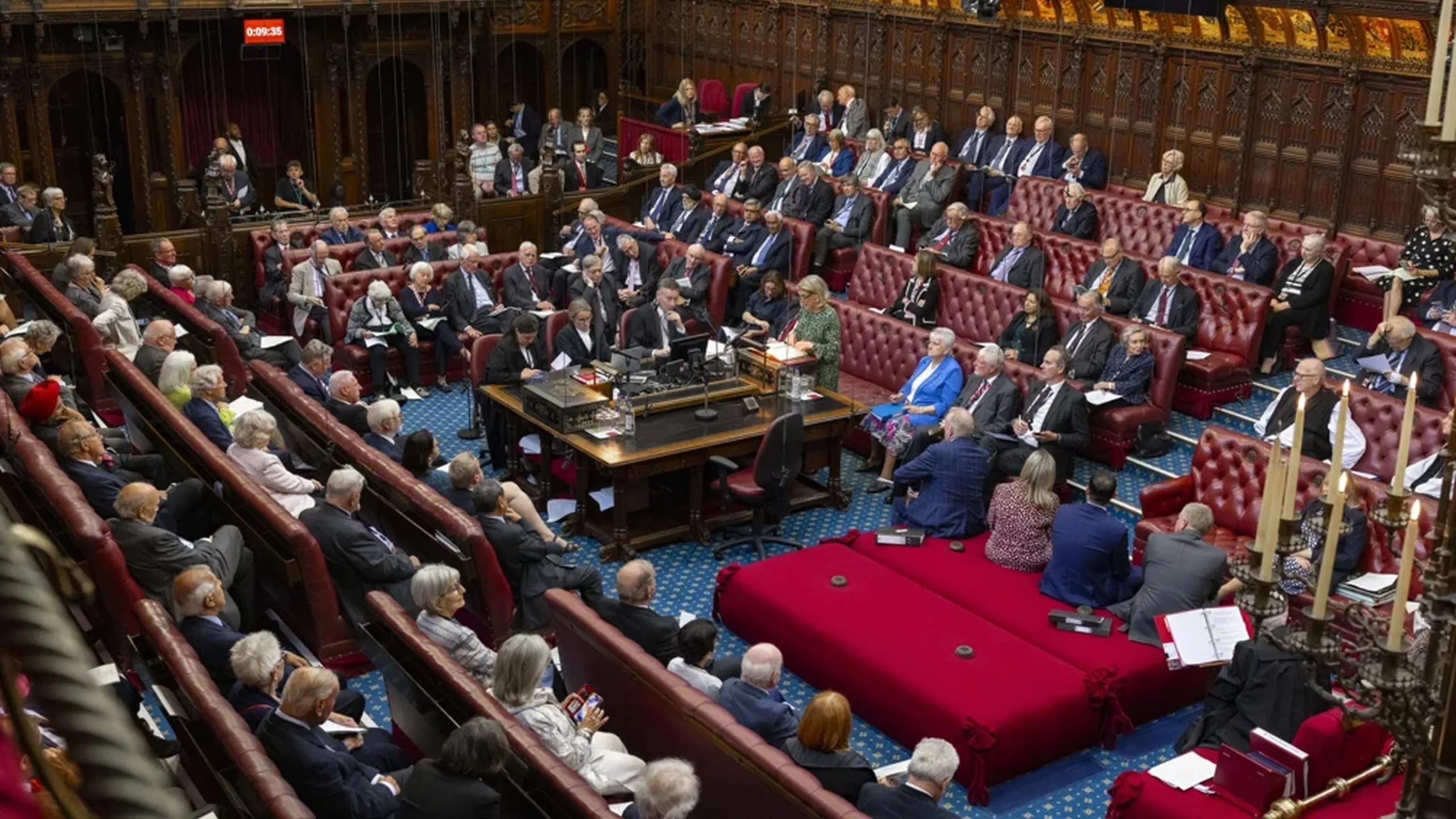
It is clear that a can of worms has been opened up today and the sector is scrambling to respond. The Bill began its passage this afternoon, and by all accounts the Government may try and take it through the process at speed. Along its various legislative milestones over the coming weeks, many people will have their say, and it will be interesting to follow the debate. The debate in The House of Lords will be a particularly crucial moment, where many university governors/Peers will flex their muscles.
I will keep this piece up to date as far as possible and we will follow this Bill on Policy Watch.
Comments
New comments will come back with sign-in later this year.
Related articles
Ministers dodge the question of candour in universities
Jim Dickinson | Policy Watch | 12/10/26

Counting the cost of teaching higher education in England
David Kernohan | Policy Watch | 18/09/26
The tone has changed on free speech, but the architecture hasn’t
Jim Dickinson | Policy Watch | 17/09/26

Student loans are still broken and unfair
Jim Dickinson | Policy Watch | 13/09/26

We’re very sorry, and we won’t do it again
David Kernohan | Policy Watch | 4/09/26

Assessing Scotland’s sector finances
David Kernohan | Policy Watch | 28/08/26