This article is more than 4 years old
Wonk Corner|31/03/22 · 06:23
Student houses can get help with energy bills. Except when they can’t
When Rishi Sunak announced his package of support for households facing increased energy bills back in February, he appeared to make clear that students wouldn’t be entitled to the £150 council tax rebate that will be paid in April.
Jim is an Associate Editor (SUs) at Wonkhe
Instead, in theory, he said that students facing higher bills will be able to get help from their local authority’s share of a £150m discretionary fund:
Local authorities will be able to use that to help those low-income households that happen to live in higher council tax band properties and those people, such as students, who are exempt from paying council tax at all, but whom we would want to get that support to.”
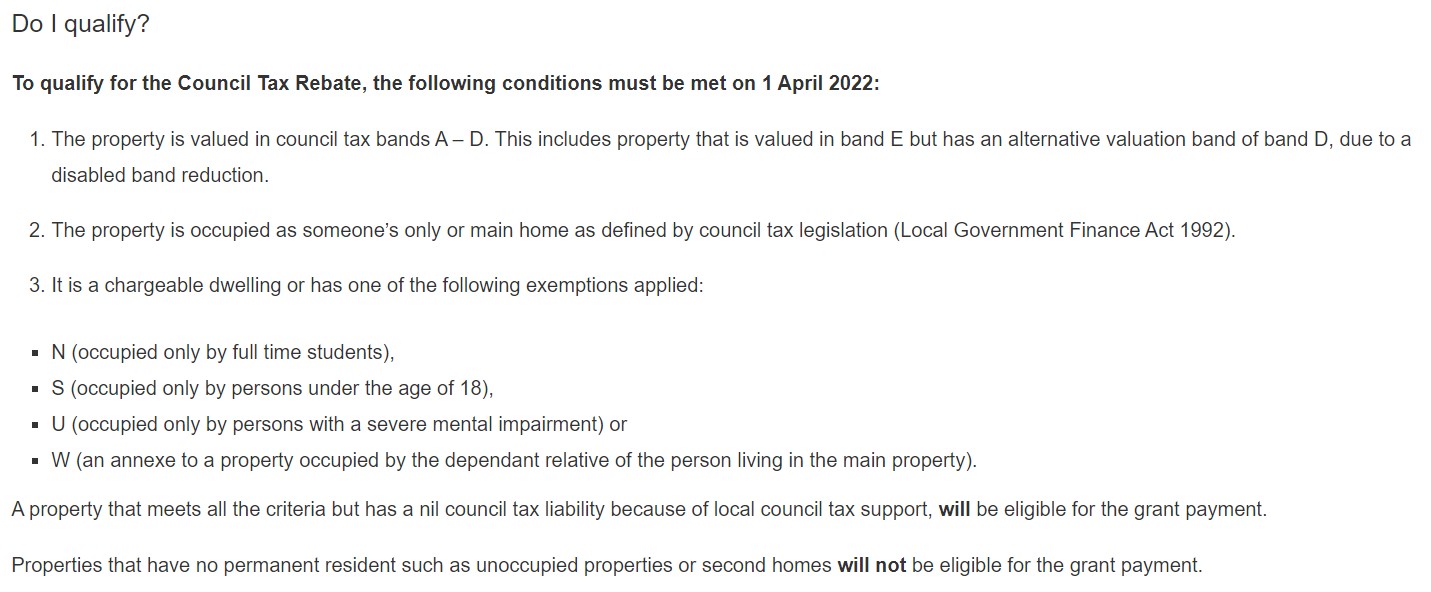
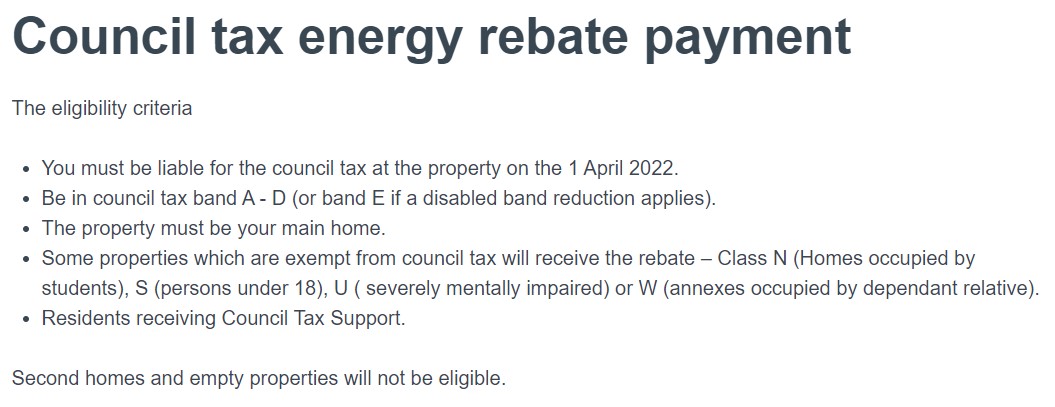
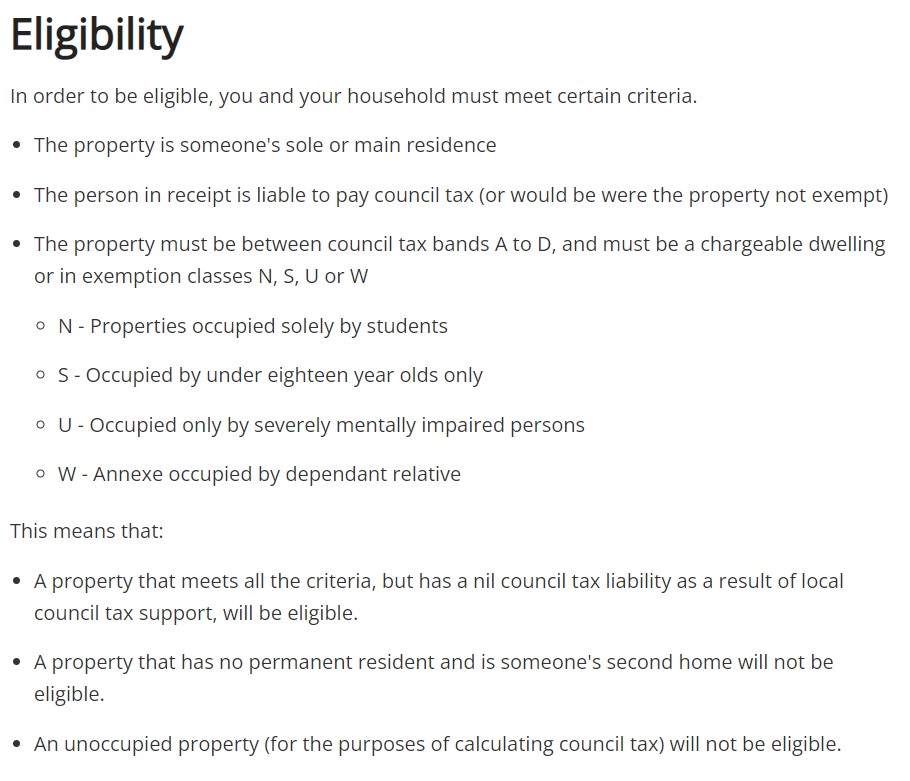
So imagine my surprise the other day when someone pointed out to me that a number of local authority’s websites appeared to be contradicting that position.
Here’s one:
Here’s another:
Here’s another:
And here’s another:
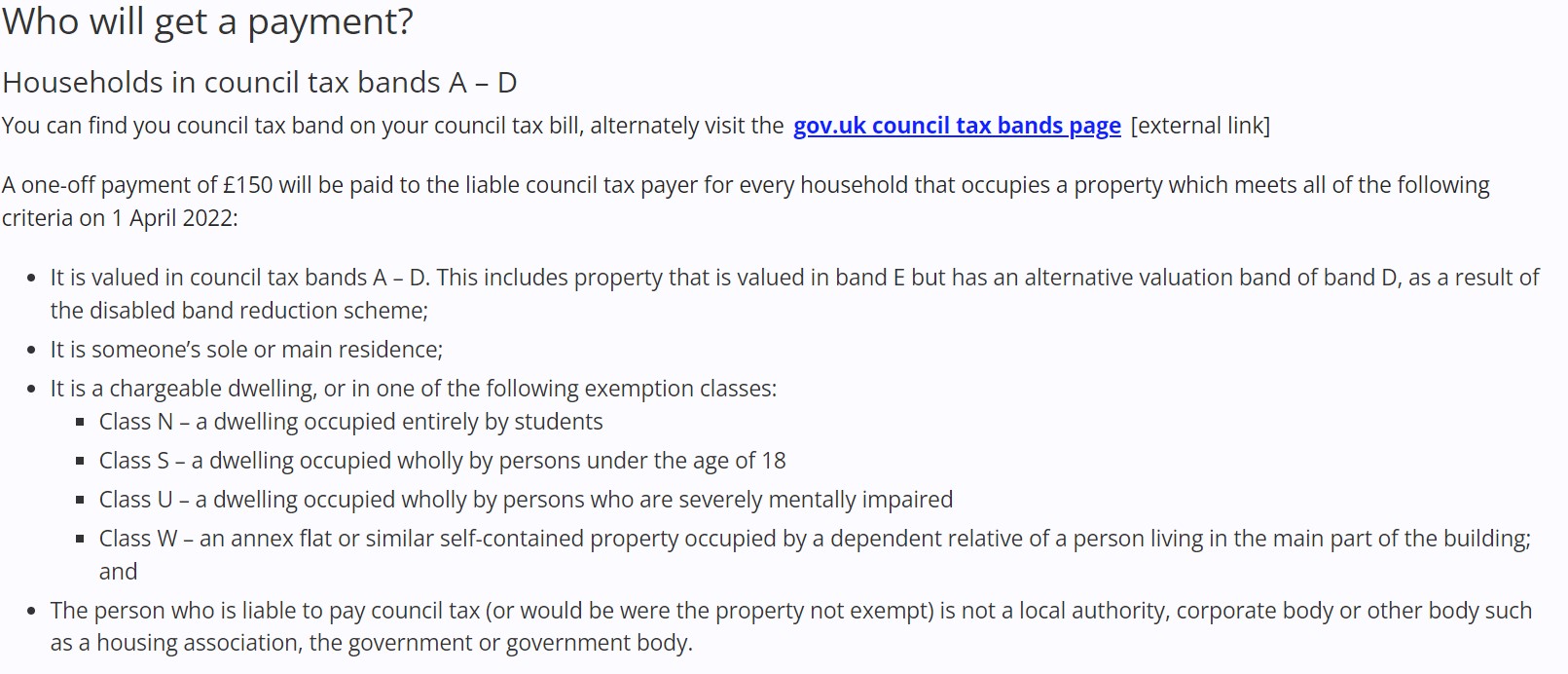
You get the gist. Basically, if you’re in a house full of students I don’t think it’s unreasonable to assume from those examples that you’ll be entitled to claim the £150 for your house.
Intrigued, yesterday I started the process of checking the websites of all local councils linked directly to university towns and cities - and almost all had identical or very similar wording.
The problem is that in many cases, students can’t in fact claim.
Buried in the DLUHC guidance to local authorities, there is indeed a line that makes clear that properties in exemption class N (properties occupied solely by students) are to be included in the statutory scheme (as long as they’re in council tax bands A to D).
It also says that where the council is aware that the liable council tax payer for a property does not occupy the property, they will not be eligible. But that’s OK, you’re thinking - FT students aren’t liable anyway.
But that’s not what’s going on. The council tax regime identifies someone called the liable council tax payer(s) for every property, regardless of whether they can claim an exemption and not pay.
DLUHC says that where a property is in exemption class N and the council is able to contact an occupant, the occupant will be eligible for support. But that doesn't apply to houses in multiple occupation (HMO). Because in an HMO, the liable council tax payer is the landlord - and if the liable council tax payer doesn’t live in the house, they can’t claim the £150.
The good news is that the definition of an HMO for council tax purposes isn't the same definition as that for local licensing purposes. The one for council tax - here in the Council Tax (Liability for Owners) Regulations 1992 - makes clear that students that have signed a joint tenancy and are obviously responsible for their own bills aren't in an HMO for these purposes, and so by the looks of it to me can claim, if they are aware and the council has a process set up etc.
Most of the councils I contacted didn’t come back to me. A couple agreed to change their wording. One told me not to worry, and assured me that houses full of students are eligible. Another said that for a student property where an individual landlord is liable for the council tax, the landlord should be making the application for the rebate.
One said that the discretionary scheme would only be for residents not in Band A to D. Another said that students would not be entitled to apply to the discretionary scheme but “should approach their university or college who may be able to offer support”.
I despair, I really do.
What's that you say? What about Scotland and Wales? Neither the Welsh version nor the Scottish version even allow a group of students in a shared contract situation to claim.