Author
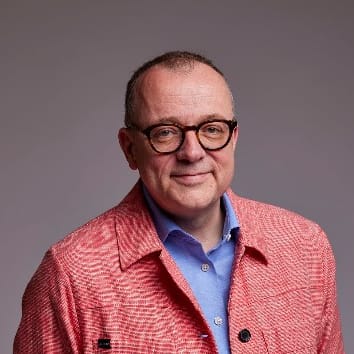
Stephen Farrier
Stephen Farrier is an academic and theatre maker whose work focusses on queer performance, popular performance forms and the ethics of research. Through a long-lasting fascination with the representation of identity, he is drawn to lesser told narratives. His research focusses on creating space for erased, invisible and silenced voices and the prominence and accessibility of queer performance. He has published widely on queer performance and has presented academic work extensively in international settings.
Stephen’s work in ethics has seen him active in the sector in several ways and he is often invited to present about ethics and performance research. Stephen has extensive experience of successful PhDs supervision in the areas of gender, sexuality, queerness and identity and is regularly called on by a range of institutions to support PhD work in this area.
He helps sustain the health of his area by supporting projects and theatre companies alongside peer review and editorial work for a large range of international scholarly journals and publishers. He makes small scale work for fringe festivals, particularly collaborating with solo performers in the traditions of queer performance.
3 pieces
Newest first, since February 2025
· Comment
National productivity and wellbeing is the output of our creative capacity
Creative degrees may not attract the largest graduate salaries, but you can’t achieve critical national priorities without creative skills. Randall Whittaker and Stephen Farrier make the case for investment in creativity
With Randall Whittaker
· Comment
Creative higher education isn’t a skills pipeline, it’s a cultural force
Randall Whittaker and Stephen Farrier urge resistance to limiting ideas about the relationship between creative education and the creative industries
With Randall Whittaker
· Comment
Curtain call on traditional time-intensive drama training
Randall Whittaker and Stephen Farrier argue for a better model for dramatic arts education – one that acknowledges the competing cost and time pressures on students
With Randall Whittaker